News

Fair Trade European Parliament Breakfast

By Marina Sarli, Fair Trade Hellas 

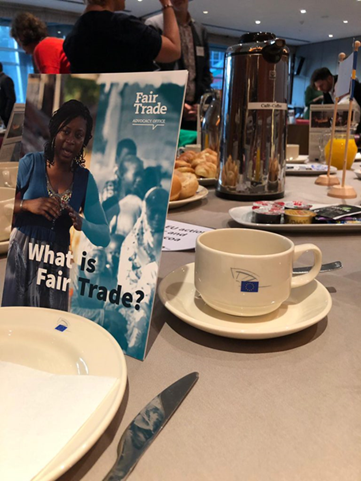
Fair Trade Hellas was one of several CSOs joining the annual Fair Trade European Breakfast with MEPs at the European Parliament. On 10 October, a group of Members of European Parliament (MEPs), members of civil society organisations and Fair Trade producer organisations and networks gathered in the Members Salon in the European Parliament for the annual Fair Trade breakfast. The breakfast was hosted by MEP Bernd Lange (Germany) from the Group of the Progressive Alliance of Socialists and Democrats and Chair of the International Trade Committee, and organised by the Fair Trade Advocacy Office. Over 140 participants attended. 

Thanks to a subgrant from the project Trade Fair, Live Fair, we had the chance to meet our Greek MEP Stelios Koumporoupolos at the event, who showed strong interest in the concept of domestic fair trade and on the standardization of fairest productive processes. 

MEP Bernd Lange said, “I am very happy to host the first fair trade breakfast of this term in the European Parliament. European trade policies should contribute to the achievement of sustainable development goals worldwide and fair trade is an interesting tool to achieve those goals. It also helps to make people in Europe aware that what we consume here has an impact on the environment and the conditions in which goods are produced elsewhere. We as MEPs have the responsibility to make sure that human rights are protected throughout the whole supply-chain of goods that we import.” 

Partners’ Meeting “Make Europe Sustainable for All” in Athens

By Evita Paraskevopoulou, Hellenic Platform for Development

The annual meeting of the Make Europe Sustainable for All (MESA) project took place 22-24 October 2019 in Greece.

The Hellenic Platform for Development represents Greece in this three-year project, which combines the experience of 25 partners from international and European networks, representing over 2,500 civil society organizations.

On the morning of Tuesday, 22 October, the partners gathered at the Environmental Education Center, nicknamed “The Earth Center.” We kicked off the meeting by planting seasonal vegetables and flowers as a welcome event.

In the afternoon, we organized a “Workshop on Sustainable Development Goals and Civil Society”. First, project partners from 3 countries (Austria, Greece, and Lithuania) presented successful local actions to build alliances of civil society organizations, practice advocacy, raise awareness and encourage citizen participation.

Then the project partners and the member organizations of the Hellenic Platform for Development jointly exchanged ideas on good practices in a fun, ‘speed dating’ format!

This was followed by a panel discussion, “Promoting Sustainable Development Goals as a Political Priority at European, National & Local Level,” with policy makers at the national and European level. Konstantinos Machairas, chair of the Board of the Hellenic Platform for Development and Director of the Organization Earth, facilitated the discussion. The panel included:

  • Mr. Konstantinos Aravosis – General Secretary for the Environment and Water of the Ministry of Environment and Energy
  • Ms. Eleni Nikolaidou – Director of YDAS-3 Directorate of Geographical Policy & Strategic Planning, Ministry of Foreign Affairs
  • Mr. Elias Savvakis – General Secretary of the Municipality of Agios Dimitrios
  • Mr. Pavlos Georgiadis – Member of the Board of Directors of the Alexandroupolis Municipal Community and representative of the Independent Community of Faros Alexandroupolis
  • Ms. Patrizia Heidegger – Director of International Policies on Sustainability at the European Environmental Bureau

On Wednesday, 23 October, the partners had the opportunity to meet with representatives of the “Fridays for Future” movement in Athens and Greenpeace Greece to discuss sustainable development and climate change. In addition, our guests got to take advantage of the Earth Center’s collective kitchen to prepare their own salads.

On Thursday morning, 24 October, we visited the Agora of Ancient Athens followed by a discussion, “Democracy in Today’s Europe and what the Future Will Bring”. The discussion was moderated by Marie-Luise Abshagen, Forum Umwelt und Entwicklung.

An open discussion on “Sustainable Development Goals & Common Agricultural Policy” took place in Tzafferi 16 in the afternoon. The event was part of MESA’s pan-European awareness campaign #GoodFood4All, implemented in 2018-19. The purpose of the discussion was to find solutions to how the Common Agricultural Policy of the EU can help to achieve the SDGs so that the food we produce ensures the well-being of farmers, the good health of consumers, protection of the planet and the preservation of Earth’s biodiversity. The speakers were:

  • Mr. Kokkalis – Greek Member of European Parliament – Member of ENVI (Committee on the Environment, Public Health and Food Safety) – Substitute Member of AGRI (Committee on Agriculture and Rural Development)
  • Ms Minotou – Former President & Co-founder at IFOAM AgriBioMediterraneo (ABM), Former Consultant for Organic Agriculture and Sustainability at Piraeus Green BANKING, Project Leader at Zakynthos Program – WWF Greece, Former General Director at DIO Certification and Inspection Organization of Organic Products, Manager at Minotos Organic Farm 
  • Mr. Stamatis – CEO at Stevia Hellas Cooperative
  • Mr. Figeczky – Head of Global Policy at IFOAM – Organics International

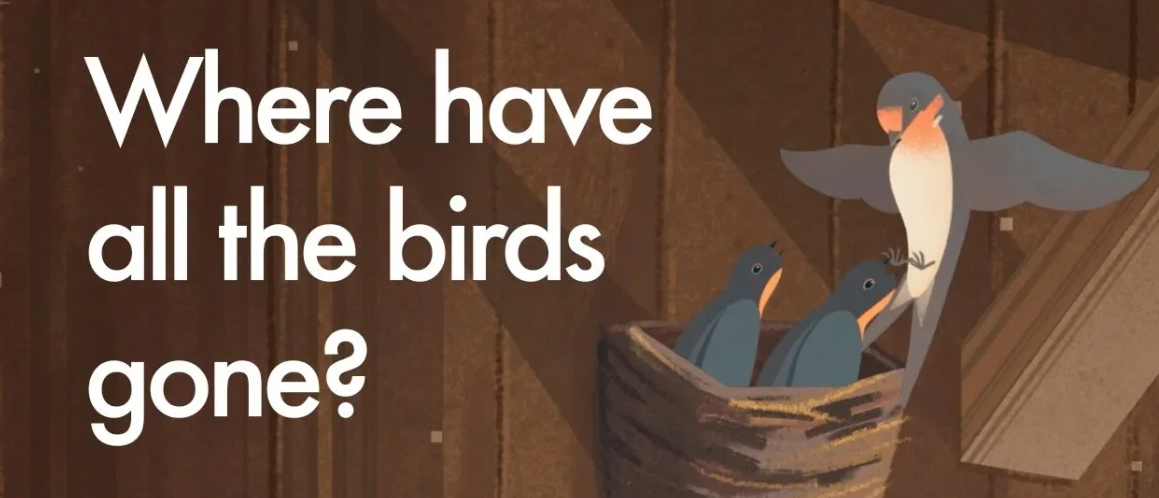
Where have all the birds gone?

By IFOAM

Did you know that changes in bird populations are an excellent sign of how well our planet is doing?  And, right now, bird populations are in decline!

Birdlife in Decline

According to Birdlife, an analysis of the IUCN Red List shows that there is a steady and continuing deterioration in the status of the world’s birds. At least 40% of bird species worldwide have declining populations, compared with 44% that are stable, 7% that are increasing, and 8% with unknown trends.

What is Happening?

The abundant use of pesticides in industrial agriculture is killing insects, the main source of food for birds. Many are also poisoned after ingestion of contaminated insects. Intensive agriculture results in the gradual disappearance of grasslands, replaced by fields treated with pesticides. The destruction of hedgerows and wild spaces also contributes to the decline of insect populations.

Barn swallow populations are an example of just how destructive this is:

  •     Pesticides including insecticides have reduced the swallow population by 30% over the last decade.
  •     In France, it is estimated that 40% of swallows have disappeared within two decades.
  •     According to the Spanish organization SEO BirdLife, Spain is losing 500,000 swallows each year.
  •     In general, the swallow population has been declining throughout Europe with a loss of between 20% and 50% since 1970 for the barn swallow.

What is the Solution?

Transitioning to agro-ecological and organic farming practices would contribute to building healthy and intact habitats essential for securing the future of birds and other wildlife.  For example, organic farms work with a wide range of pest control solutions such as pheromone traps which are generally non-toxic and do not control other pests.

Choose Organic

We can all help change this by choosing organically grown produce and supporting farmers who grow food in a biodiversity-friendly and sustainable way!   #GoodFood4All #EatHonest

Background

This animation was produced for the Good Food for All campaign and is available with subtitles in Czech, French, German, Greek, Italian, Lithuanian, Portuguese and Spanish.

The Good Food for All campaign is organized by 25 partners across Europe who have come together in “Make Europe Sustainable for All“, a 3-year cross-sectoral project to promote ambitious implementation of the Sustainable Development Goals. #GoodFood4All

The Green New Deal as a driver for the European Union’s implementation of the 2030 Agenda for Sustainable Development

By Deirdre de Burca and Leida Rijnhout, members of the SDG Watch Europe Steering Group

Following the adoption of the 2030 Agenda for Sustainable Development by UN member states in September 2015, the European Commission slowly started to develop its own ideas and actions for how the Union – a unique, regional, political system – could implement this ambitious, universal agenda. EU member states also began focusing on how to implement this agenda at the national level. The European Council, composed of Heads of States and EU MS governments, issued Council Conclusions in recent years mandating the Commission to take specific actions at EU level related to implementation.  

In late 2017, the Commission’s First Vice-President Frans Timmermans established a multi-stakeholder platform to be consulted on all topics relevant to the EU’s implementation of the 2030 Agenda, including an EC Reflection Paper on the development of a long-term EU sustainable development strategy. 

Four years later, European civil society is encouraged by optimistic signs which suggest that this important agenda could be realized in the holistic way it was originally envisaged, both in policy and governance terms at EU and national level. For example, this year the EU Multi-Stakeholder Platform provided its input on the EU’s Reflection Paper. A positive attempt was made by the diverse platform members to develop a shared analysis and strong recommendations for the Commission.

New multi-stakeholder approaches to governance and policy development have the potential to break down the unhelpful “silos” which currently exist and present significant obstacles to the achievement of long-term sustainability. These new approaches can bring decision makers, civil society and other key actors closer together with the aim of cross-fertilising each other’s perspectives, and of strengthening common demands. Through working together collaboratively in this way, those committed to achieving sustainable development can hopefully succeed in replacing the current dominant and extremely damaging economic system which is destroying the environment and which excludes so many social groups.

However, much now depends on the political will and objectives of the new EU Commission under the leadership of its President Ursula Von Der Leyen. A “Green New Deal” is now one of the six headline ambitions of the political guidelines which recently issued to the next European Commission (2019-2024).

The original “New Deal” was a series of programs, public work projects, financial reforms, and regulations enacted by President Franklin D. Roosevelt in the United States between 1933 and 1936. The New Deal responded to needs for relief, reform, and recovery from the Great Depression. The contemporary “Green New Deal” combines Roosevelt’s economic approach with significant investment in areas such as renewable energy and resource efficiency.

The new Commission President has made the 2030 Agenda (SDGs) the responsibility of all Commissioners. Valdis Dombrovskis will be in charge of “refocusing the European Semester so that it integrates the United Nations Sustainable Development Goals”, while each Commissioner will “ensure the delivery of the United Nations Sustainable Development Goals within their policy area”. While mainstreaming is a legitimate approach to implementation, civil society is concerned that this may become “away streaming” and that there will be a lack of coherent and bold leadership in EU implementation of all of the SDGs. Civil society believes that the responsibility for providing this leadership is at the highest level of the Commission, and should rest with the President herself. In the absence of such high level EU political leadership and coordination for the implementation of this holistic agenda  there is a risk that different actors, including civil society, will remain in their silos and that traditional divisions will not be overcome.

In conclusion, European civil society welcomes the introduction of an EU Green New Deal, but only as an instrument to deliver on the overarching objectives of the 2030 Agenda for Sustainable Development. This Agenda must be the overall framework within which a concrete social, fair and green plan of implementation is delivered by the EU.

Implementing the SDGs at Higher Education Institutions: Challenges and Responses

By the Global University Network for Innovation

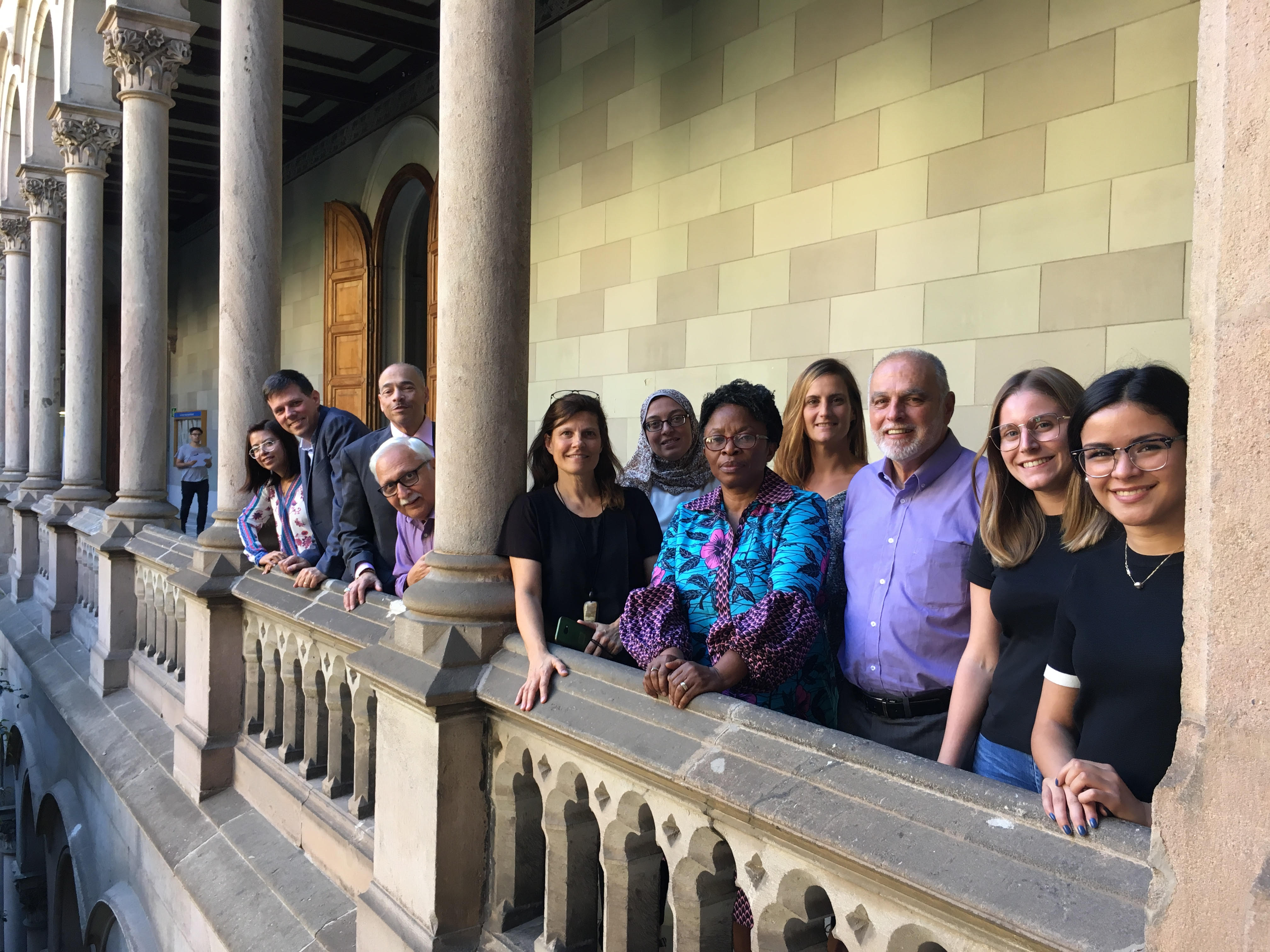
On October 4th 2019, the Global University Network for Innovation’s Group of Experts presented its second publication devoted to the implementation of SDGs at Higher Education Institutions, in a public event at the Ateneu Barcelonès in Barcelona. More than 85 people attended the event, which promised to be an enriching experience and provided a variety of cultural and geographical approaches to the implementation of SDGs at Higher Education.

Looking at the 2030 Agenda from a Higher Education perspective, its main strength is that it has given us the opportunity to once again shed light on the essentiality of embedding certain values and practices in the main missions of our institutions. The 2030 Agenda has given us the chance to rethink the role of higher education institutions, as reflected in GUNi’s mission statement. It also goes a step further by making everyone responsible and calling for collective action. Universities have multiple roles to play in this (in education, research and as institutions in a specific economic and social ecosystem).

“Implementing the 2030 Agenda at Higher Education Institutions: Challenges and Responses” is the second publication of the GUNi Group of Experts on SDGs and Higher Education devoted to SDGs. It focuses on the obstacles that HEIs encounter when implementing the SDGs and offers some clues as to what some higher education institutions do to overcome them. It includes regional and institutional approaches to sustainable development and it offers a picture of how some higher education institutions can, and do, embed sustainable development in their core missions. Through this project, GUNi hopes to demonstrate its commitment and reinforce the role of HEIs, partnerships, knowledge and research in the achievement of the goals and a better future for all.

In this publication, you will find some approaches and examples as to what kind of obstacles higher education institutions find and how they are trying to overcome them in their specific contexts. In any case, at GUNi we firmly believe that (1) awareness raising, (2) more and stronger partnerships, (3) lobbying for an improved policy environment and (4) support for transdisciplinary work at HEIs, and also between HEIs and other institutions and organizations, will be of key importance in the quest towards implementing the goals set for 2030.

The GUNi Group of Experts on SDGs and Higher Education:

In response to the 2030 Agenda, GUNi established a strategic line around sustainable development. One of its main initiatives is the Group of Experts on SDGs and Higher Education, whose members are representatives of some of the most relevant networks and organisations of higher education and sustainable development. This document is its third publication, and on its pages, you will find relevant examples, inspiration and recommendations for partnering for implementing the SDGs.

In line with the need for global and local transformations, the group of experts and GUNi will continue their strong commitment to the 2030 Agenda by celebrating the 2nd GUNi International Conference on Sustainable Development Goals and Higher Education on March 5-6th, 2020 which will take place at the Universitat Pompeu Fabra in Barcelona.

Useful links:

 Contact details:

www.guninetwork.org

info@guninetwork.org

MY HANDPRINT, MY COMMITMENT

By Association 4D

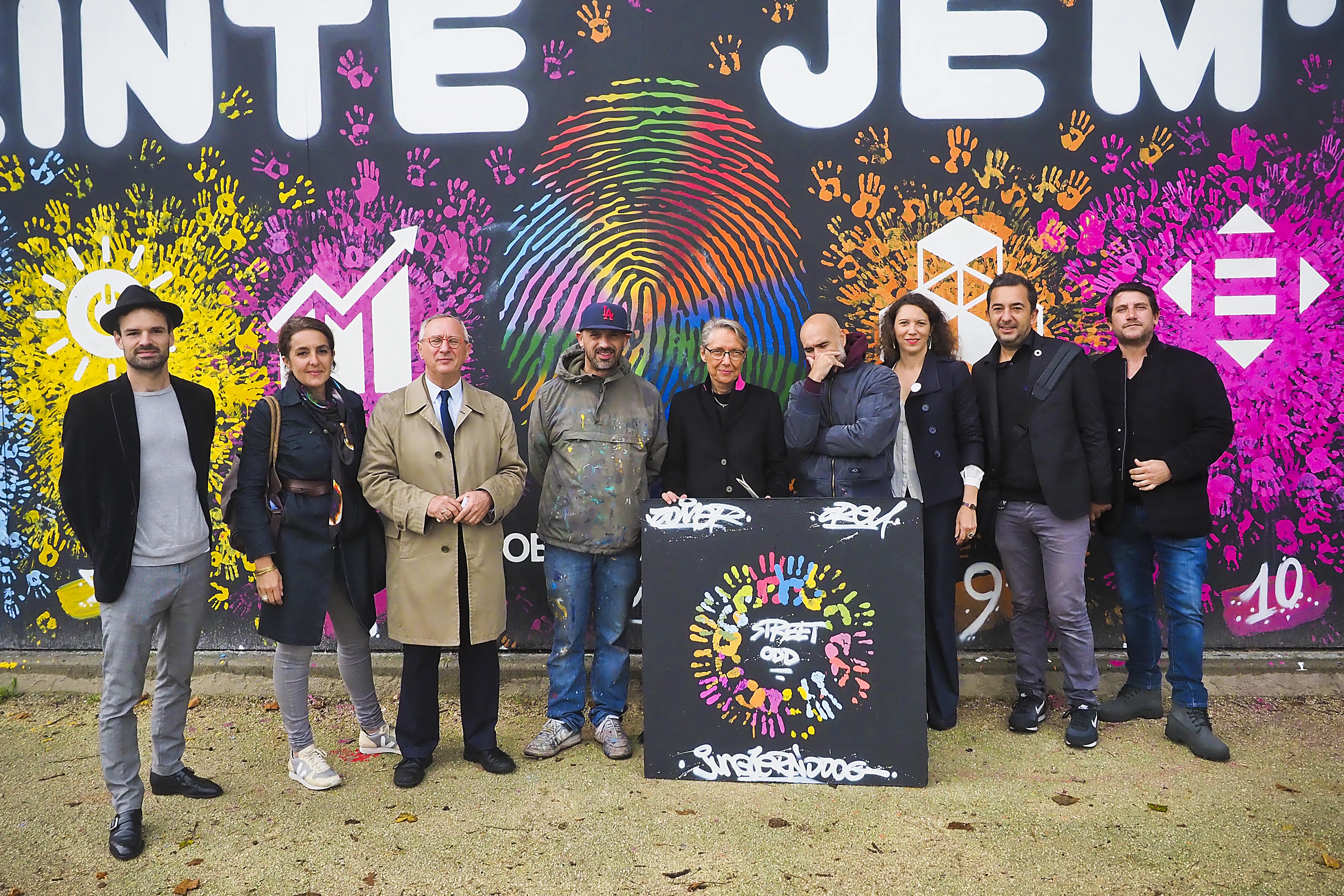
From 20-25 September, Association 4d organised a fantastic street action to commemorate the 4th anniversary of the SDGs.

More than 5,000 people put their handprint on our SDGs wall, a participative street-art performance in the center of Paris. Our motto? “J’empreinte, je m’engage”, meaning “My handprint, my commitment”. We did not only aim at creating a colorful giant mural, but we also wanted to make people think about which print they would leave behind. 

We met so many people, sometimes only onlookers, sometimes already committed to make the world better or thinking about what they could do to achieve a sustainable way of life. Young people and older ones, men and women, French people and tourists: this truly was an event made by the citizens and for the citizens! The French environment minister, Elisabeth Borne, even came to put her handprint on the wall.

These 5 days reminded us that it is together that we can make things change and that no one should be left behind. Everyone, at their own scale, is the actor of a sustainable transition. 

You can find pictures of the event on our website: association4d.org, as well as a video of the action.

Association 4D was created after the Rio Conference in 1992 to build some expertise on sustainable development. They develop their activities at local, national and international level sharing with their network a vision of preserving the planet resources while reducing inequalities thanks to democratic practices.

Standing and marching together for sustainability

By Khaled Diab, EEB, with additional reporting by Tanja Gohlert, GCAP

During the Global Week of Action (20-27 September 2019), which included the Global Climate Strike, the largest climate protest in history, SDG Watch Europe partners and the Make Europe Sustainable for All (MESA) project organised and were involved in actions, activities and events across Europe and beyond.

The action week marked the fourth anniversary of the adoption by the UN of the Sustainable Development Goals (SDGs). This year marked a new joint mobilisation of the climate and youth movements and a wide range of civil society partners to #StandTogetherNow. The Global Week of Action was a huge success, with over 50 million people in more than 1,000 cities and 125 countries participating. In addition, approximately 7 million people took part in the global climate strike campaign on 20 and 27 September alone. 

In Brussels, which has been the scene of sustained protest for months with the largest climate demonstration drawing 70,000 in January, an estimated 15,000 people marched through the Belgian and EU capital. The Brussels march was spearheaded by the Belgian chapter of Fridays for Future, with the EEB and GCAP as a co-organisers on behalf of SDG Watch Europe.

https://twitter.com/Green_Europe/status/1177567368601624577

 The march ended up on Schuman Square, at the very heart of the European quarter, to send a clear message to EU leaders. There, SDG Watch Europe, in an action conceived and executed by the EEB, rallied hundreds of protesters to form three words with symbolic significance for sustainability: ‘climate’, ‘equality’ and ‘voice’.

 In the Czech Republic too, Czechia Against Poverty and Inequalities (MESA’s Czech member) partnered up with the local Fridays for Future movement, joining the climate march on 20 September in Prague, which attracted 3,000 protesters. That same day, MESA took part in the Festival for the Future and Sustainable Development, appearing on the main news programme of the Czech Republic’s most popular TV channel that evening during prime time.

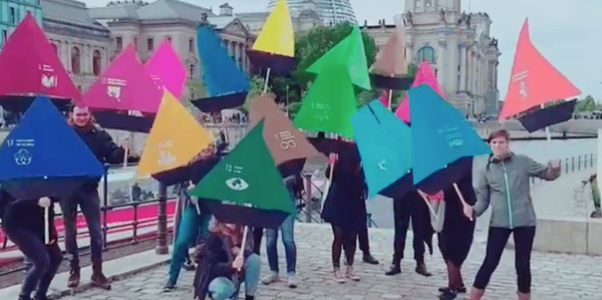
In Germany, MESA partner Forum Umwelt und Entwicklung joined the climate march carrying 17 umbrella boats, one for each of the SDGs, and distributed to protesters postcards with seven SDG-related slogans.

https://twitter.com/ForumUE/status/1177518900138790912


Reaching policymakers

On 24 and 25 September, heads of state and government gathered in New York for the UN  SDG Summit, the High-level Political Forum (HLPF) on Sustainable Development, under the auspices of the UN’s General Assembly. 

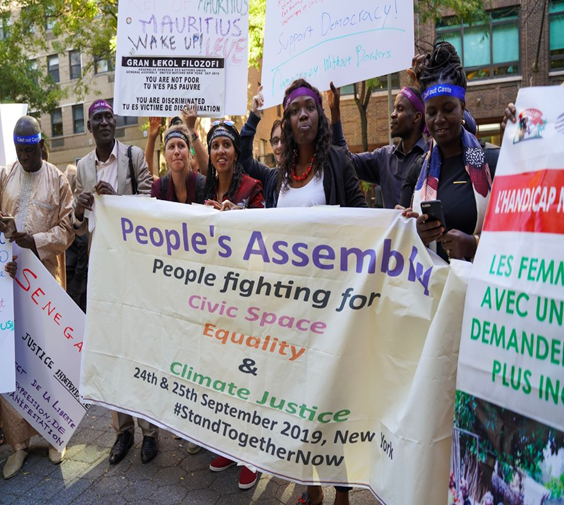
GCAP, in cooperation with 21 global and regional partners, organised a parallel People’s Assembly in New York, which brought together 300 civil society representatives at the UN Church Centre. These delegates, from 80 different countries and over 200 organisations, represented thousands of people whose voices would not otherwise be heard, much less given seats at the UN. A key result of the discussions was the People’s Assembly Declaration which calls on governments to adopt more responsive policies and implement radical measures in the economic system to stave off environmental devastation. 

In addition to attending the climate march in Dublin, MESA partner the Irish Environmental Network co-drafted an open letter to Irish officials in advance of their departure to New York and delivered it to Irish parliamentarians. In Spain, Movimiento Por La Paz briefed the Spanish delegation before it left for New York.

Some members of the project, including GCAP Italy and Movimiento Por La Paz in Spain, were in New York for the SDG Summit and People’s Assembly. In Portugal, CPADA carried out an analysis of the programmes of eight political parties from the perspective of the SDGs.

Similarly, MESA partner World Vision Romania sent a letter to the Romanian president before he attended the UN General Assembly urging him to engage Romania in the 2030 Agenda and to commit to combating all forms of violence against children. An event to launch the ‘Stamping out inequalities’ report, organised by World Vision and the Romanian Anti-poverty Network, resulted in more than 40 media appearances, reaching an audience of some 2.5 million. 

Combating inaction

The action week marked the fourth anniversary of the SDGs, the set of 17 ambitious targets agreed at the United Nations which seek, among other things, to eradicate poverty, narrow inequalities, tackle global warming, protect nature and ensure that humanity lives within the boundaries of the planet.

“Four years of inaction have passed: 2020 to 2030 must now be the decade of action in which we change course and lead humanity on the path of sustainability,” said the EEB’s Director of Global Policies and Sustainability Patrizia Heidegger.

To help build the necessary momentum, the Hellenic Platform for Development coordinated the largest awareness-raising campaign in Greece and Cyprus related to the SDGs. Over 17 days, 91 organisations implemented 61 actions, including festivals, children’s workshops, public events, informative workshops, discussions, exhibitions and services in 30 towns and villages, attracting more than 39,000 citizens.

Back to school

During the Sustainable Action Week, the Lithuanian NGDO Platform launched initiatives involving 40 schools and youth centres, which reached over 1,800 young people in Lithuania, and included an SDG Ambassadors initiative and quiz games. CPADA in Portugal also targeted nine schools in Lisbon with its ‘In my school fits a world’ campaign.

In France, more than 5,000 people impressed their handprints on the SDGs wall in Paris, a participative street-art performance created by one of MESA’s French partners, 4D.

https://twitter.com/sanwatforall/status/1186903564607787008

SDG Watch Austria, together with UNESCO Austria and the Austrian National Youth Council (Bundesjugendvertretung), organised an SDG Workshop for young people. Over 100 engaged students discussed the complex issues related to sustainability.

Despite progress in some areas, Europe, like most of the world, is way behind on its implementation of the SDGs, both at home and abroad, as reflected in the widening inequalities within Europe and in how the EU exports misery to other parts of the world.

To convince policymakers and politicians of the importance of championing a holistic approach to sustainability, SDG Watch Europe sent out a job ad for ‘Sustainability Heroes’ to members of the European Parliament. The EEB, on behalf of SDG Watch Europe, also took to filmmaking. In a light-hearted animated film, a selection panel inspired by the pantheon of ancient gods interview prospective MEPs for the role of Sustainability Heroes. Watch the video below.

https://www.facebook.com/SDGwatcheurope/videos/908546286192691/
MEET THE BOOMING APP THAT’S CUTTING FOOD WASTE ONE MEAL AT A TIME

By ROBERTA ARBINOLO, EEB

Every day, tons of fresh food end up in the bin. What if you could save them from waste while getting a cut-price meal? The good news is, you actually can, and through your smartphone. Roberta Arbinolo explains.

The app is called Too Good To Go. The concept is simple: by connecting consumers with local restaurants, cafes and bakeries that have unsold food, To Good To Go allows them to buy surplus for knockdown prices at the end of trading time.

Launched in Copenhagen in 2016, the app has taken Europe by storm and is now available in 12 countries, from Norway to Italy, Spain and Poland, with over 13 million app installs. This is not by chance: people across Europe are increasingly worried about food waste and hungry for solutions.

To Good To Go allows them to buy surplus for knockdown prices at the end of trading time. Launched in Copenhagen in 2016, the app has taken Europe by storm and is now available in 12 countries, from Norway to Italy, Spain and Poland, with over 13 million app installs. This is not by chance: people across Europe are increasingly worried about food waste and hungry for solutions.

About one third of all food globally produced is wasted or lost, and at a very high price. Throwing away perfectly edible food is not only a waste of the huge amounts of energy and natural resources needed to produce it, freeze it, store it, and transport it; it also creates dangerous emissions that pollute the air we breathe and accelerate climate breakdown.

According to the UN’s Food and Agricultural Organization (FAO), food waste has a global carbon footprint of about 8% of all global greenhouse gas emissions caused by humans. If food waste was a country, it would be the third biggest carbon emitter after the US and China. The waste of milk and meat products is particularly problematic: in Germany, the meat and dairy which end up in the garbage every year account for over 6% of the country’s methane emissions. At the same time, meat accounts for the highest amounts of water and nitrogen resources that are lost when edible food is thrown to the bin.

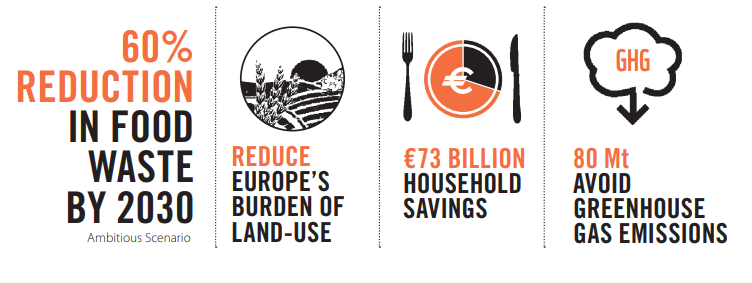
On the other hand, a 60% cut of food waste by 2030 could reduce Europe’s burden of land-use by an area greater than the size of Croatia, generate financial savings to European households of over €73 billion and prevent the emission of over 80 million tonnes of climate-harmful greenhouse gases.

According to Clean Air Farming, a joint project involving EEB members DUH and FNE, cutting the waste of meat and dairy products is key to reducing absolute emissions of methane and ammonia.

Ending food waste is also among the EU commitments to meet the UN’s sustainable development goals, and is expected to play a role within the new Commission’s Green New Deal.

On their end, Too Good To Go reports that the app has already helped save 19.8 million meals, and prevent 50,324 tons of CO2. The perfect solution to turn the tables on food waste?

For the EEB’s circular economy expert Piotr Barczak, initiatives such as Too Good To Go can raise awareness about the insane amount of fresh food that ends up in the garbage, while directly contributing to save some of it.

However, working on the supply level is key: “to get food waste off the table, supermarkets, restaurants and caterers need to stop overproducing in the first place, and adjust to have their stock empty by the end of the day.”

Another aspect not to be forgotten is packaging: “food waste and packaging waste often go hand in hand”, Barczak told META. “The app is already inviting users to bring a reusable bag to carry their savings home. It would be even better if they also encouraged them to bring reusable containers”.

At the end of the day, the success story of To Good To Go is yet another evidence of the growing appetite for a better food system that feeds people instead of bins.

PEOPLE’S ASSEMBLY 2019

300 people from 80 countries and 203 civil society organisations participated in the People’s Assembly 2019 on 24-25 September in the UN Church Center in New York. There were many representatives from social movements fighting for justice at the local level. They analyzed the people’s perspectives and challenged heads of state attending the UN SDG Summit across the road in the UN Headquarters. The demands from the People’s Assembly were presented in the CSO Forum of the SDG Summit.

You can read the full declaration here. 

This declaration highlights key demands on the following issues: 

  • Peace and Conflict
  • Climate and Environment
  • Inequalities
  • Decent Work & Discrimination on the basis of Work and Descent
  • Gender 
  • Persons with Disabilities
  • Civic Space


INTRODUCTION & FINAL STATEMENT

The world is on fire. We exist in a world of profound inequality, climate emergency, a crisis of human rights and closing civic space and where violence is increasingly protracted and normalised. We live in a world where there is a crisis of accountability and governance. In 2019, at the end of the UNGA Summit, we are saddened by the persisting lack of political will & leadership to even begin to address these issues.  This is not good enough. This is failure.

We are over 300 delegates, representing 1000s of people’s movements and organisations, and millions of people across the world. 

We should not need a parallel People’s Assembly to UNGA, the Climate Action Summit and the SDG Summit. The UNGA and Member States should serve their people, not work to strengthen themselves. We are coming together because our voices are not heard, we are denied access and meaningful participation, our recommendations are not integrated. In some regions, we do not even have the right to information, to a free media or to express ourselves.

We live in a world of defiant brave and principled people movements and communities. Civil society will no longer tolerate this ongoing political failure and Government’s non-binding agreements prolonging business-as-usual instead of systematic transformation. While we extend the offer to work with Governments, we will call Governments out and hold them to account as we stand together for people and planet. We will not let our world burn and we will protect our children, the marginalised, and stand up for all right holders, including by protecting our right to civil space, democracy, and political participation. The voices and agency of the youth are critical to achieving these aims. Processes and political leadership need to be put at the service of people, and their resilience, now. As people read this, environmental and human rights defenders and activists are being killed, the Amazon, forests in Central Africa and Siberia – the world’s lungs, are burning. Inequalities, poverty, discriminations and exclusions stubbornly persist with over 730 million still living in extreme poverty, 1.1 billion without access to electricity and 2.7 billion still without access to clean cooking facilities and more than 820 million still going hungry every day. A furthermore than 260 million people across the world suffer daily exclusion and discrimination based on supposed caste and ethnicity.  A disproportionate number of them are women and girls who also suffer routine and normalised violence and femicide. Our global economic system is failing the majority of our populations, we demand fundamental structural and system change to serve the many, not the few and put people and the planet over corporations, greed and profit.

The world is in the midst of a climate crisis and we face the imminent danger of mass extinctions with unprecedented ecosystems and biodiversity loss. There are already irreversible and severe impacts on peoples’ lives, and livelihoods, with those most severely affected having contributed negligibly  and are already the most marginalized and impoverished, including women, Indigenous Peoples, communities of colour, young people, older people, persons with disabilities (PLWD), and people living with HIV.

Across the world right wing populists, nationalists and extremist groups are mobilising dominant populations to attack the most vulnerable. Democratic values are under strain from unaccountable strong men attacking civil society and the media in unprecedented – and often brutal ways. To improve the state of national democracy, as civil society we need to develop and advocate for new standards for electoral management, institutions that are free from political control and subject to democracy accountability, and new standards to keep election periods free from misinformation and illicit interference. 

Final Statement

People all over the world, in every country, every day, suffer from the overlapping impacts of inequality, poverty, violence, discrimination, militarisation, environmental degradation and a shrinking of their rights. We no longer accept this as our norm. Climate change threatens our existence, and the children and young people of the world are calling on us to stand with them. We, the people’s movements, communities and civil society commit to do so. We will not reach our global commitments without addressing climate change. 

The economic, financial and political systems are concentrating power and wealth in the hands of a few, favouring a limited number of individuals, countries and businesses. Nature is our life support system – when it is degraded, polluted and overused there are disastrous impacts for our food security, water supply, air quality and for our economy. 

We call on the Governments across the world to meet our demands with urgency and political determination. We call on Governments to meet and deliver on the global commitments made in 2015 in relation to the Paris Agreement, Sendai Framework for Disaster Risk Reduction, WPS Agenda (1325) and deliver on the 2030 Agenda. It is imperative that Governments address the interconnectedness of these agreements including agreements on financing.

We commit to working with our Governments to meet these demands, we commit to holding our governments to account against these demands, and we commit to calling out the differences between public commitments and domestic realities. 

Our world is on fire, we commit to doing everything we can to put that fire out, so we can live in peace, dignity and within planetary boundaries.

Free Meals on Wheels by Ecological Movement of Thessaloniki

By Ecological Movement of Thessaloniki

The Ecological Movement of Thessaloniki was founded in 1982 and is the oldest living ecological organization in Greece. Its ideological orientations are identified with the four ideological pillars of the international ecological movement: environmental protection, peace and non-violence, direct democracy, human rights and social solidarity. Through the project Free Meals on Wheels it has promoted the environmental protection and human rights and solidarity.

For many years, the Ecological Movement of Thessaloniki has been organizing weekly social meals, but this is the first time that this action is directly linked to the ecological approach and sustainable use of food, while also enhancing cooperation between local and migrant volunteer groups and beneficiaries or other NGOs and Social Organizations.

The project Free Meals on Wheels, through the campaign Making Europe Sustainable for All, promotes recycling and transportation in a healthy, economical and environmentally responsible way.

The volunteers use bicycles to collect food weekly (mainly fruits and vegetables) that would be thrown away from the local-open market. Then they select the good food and fill the basket with food for needy families and individuals. Every Tuesday, volunteers cook and offer vegetarian meals to people who cannot cook and they distribute, again with bicycles, cooked meals that are prepared. Weekly meals aim to make sure that no meal is lost and to learn more about Non-Sustainable Food Production and Consumption.

All actions will have a direct impact on many Sustainable Development Goals and the 2030 Agenda, in particular good food for all, sustainable consumption and production, combating inequality, aiming at zero hunger, sustainable cities and communities.       

Each action is combined with an educational approach to raise awareness and to stimulate about the importance of a transition to a better lifestyle for all.

During the project, three workshops will be organized for locals and immigrants on recycling, food and waste management and sustainable development and consumption.

For more information you can visit: https://freemealsonwheels.net and https://www.facebook.com/freemealsonwheels/