WECF at HLPF 2018

By WECF

07.08.2018

As you walked the corridors of the United Nations headquarters during HLPF, you could feel the tension of distress from various actors. At the end of the first week, for example, several countries broke the silence on the Ministerial Declaration.

The outcome document of the conference, which had been negotiated upon for months leading up to HLPF and which at this point is meant to best reflect the countries’ agreed compromises, no longer had consensus.

There was a build-up of frustration as the forum participants asked themselves: have we really come to the point where we are negotiating back on commitments we have already made through Agenda 2030? While HLPF is a great space for feminist solidarity, networking, awareness raising and knowledge sharing of best practices, you cannot really shake the feeling of: are we really doing enough to achieve the Sustainable Development Goals?

Feelings of distress

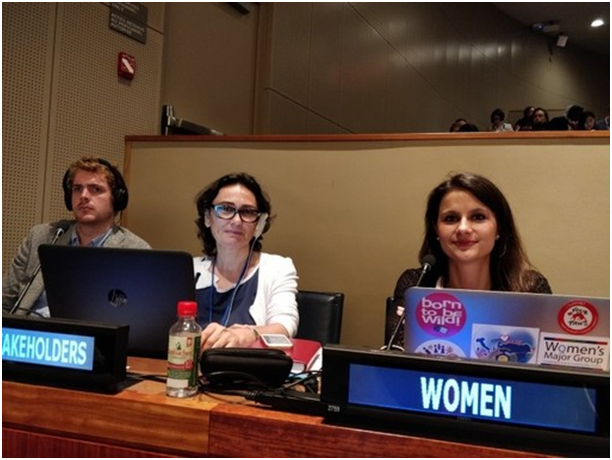
Despite these feelings of distress, feminists are pushing hard for transformative change, challenging structural barriers on the frontlines and at policy levels. Firstly, we raised our voice about the VNR reporting process. During one of our side-events, Mapping the gap: barriers and opportunities for civil society in VNRs, it became clear quite quickly that many of our Women’s Major Group (WMG) members felt distress in terms of actively being excluded from the reporting process.  

Many testimonies indicated that countries would not take adequate steps to ensure an open an engaging consultation process when drafting their VNRs. This exact point was raised by Emma Anakhasyan (RURALDAF, Armenia), one of our #women2030 partners during her interventions at the VNR presentation of her country. She stated that the Armenian NGO sector appreciated the consultations held in advance of the HLPF.

National Reviews or holiday commercials?

However, some civil society sectors were still missing: how will the Armenian Government engage a wider array of stakeholders in the future? Two other #women2030 partners Aleksandra Kumbuli (Women for Development, Albania) and Bridget Acakpo-Addra (WEP, Togo) were also selected to represent civil society during their countries’ Voluntary National Review (VNR) presentation and asked critical questions. However, the 2 minute critical interventions that are allowed to civil society are far from the open and constructive dialogue intended in Agenda 2030. Especially when the VNRs look like inviting holiday commercials. See below for our partners’ full interventions during the VNRs.

#Nodirtybusiness

Secondly, WECF and partners tried to ask attention for corporate responsability. While countries emphasise the importance of the corporate sector in achieving the SDGs at their VNRs, there is no mechanism within the Agenda 2030 process to hold corporations accountable for their externalities. Meaning other countries are left with the bill for human and environmental costs as a result of different countries’ actions and unsustainable production. This proves how important it is that civil society, who live and fight the consequences of corporate capture, is present at HLPF and on national and regional level.

Contributing to the #Nodirtybusiness campaign, WECF aims to move the lens from rhetorics of individuals’ responsibility to live sustainably, to the big polluters who put profit over people. We want them to be held accountable for their actions, and push for system change. Since this year the SDGs under review are all linked to areas where there is corporate capture, it is key that we do some myth busting on their “solutions”.

Shrinking space for women human rights defenders (WHRDs)

Thirdly, in several ways, WECF and her partners raised their voices to a larger audience. A number of factsheets were produced by WECF, WMG and our partners to illustrate a feminist analysis and share demands for the topics discussed at the forum. See below for to find them. WMG’s outreach team, led by our Hanna Gunnarsson used social media (and the hashtags #FeministDemand #HandsOffWHRDs) to reach and engage with a larger audience about the HLPF and the shrinking space for women human rights defenders (WHRDs). Our solidarity dress code campaign was also very successful and made more than 25 million impressions!

Our delegation

Sascha Gabizon (WECF international, Women’s Major Groups UNECE regional organising partner), Hanna Gunnarsson (ibid, stand-in WMG organising partner for the UNECE region), Ida Bakhurdize (WECF Georgia), and our local partners Aleksandra Kumbuli (Women for Development, Albania), and Emma Anakhasyan (Armenian Women for Health and Healthy Environment & RURADALF, Armenia).

Watch the full interventions of our partners at the VNRs here:

HOPE 2030 – Greece

By Vanessa Agapie, Hellenic Platform for Development

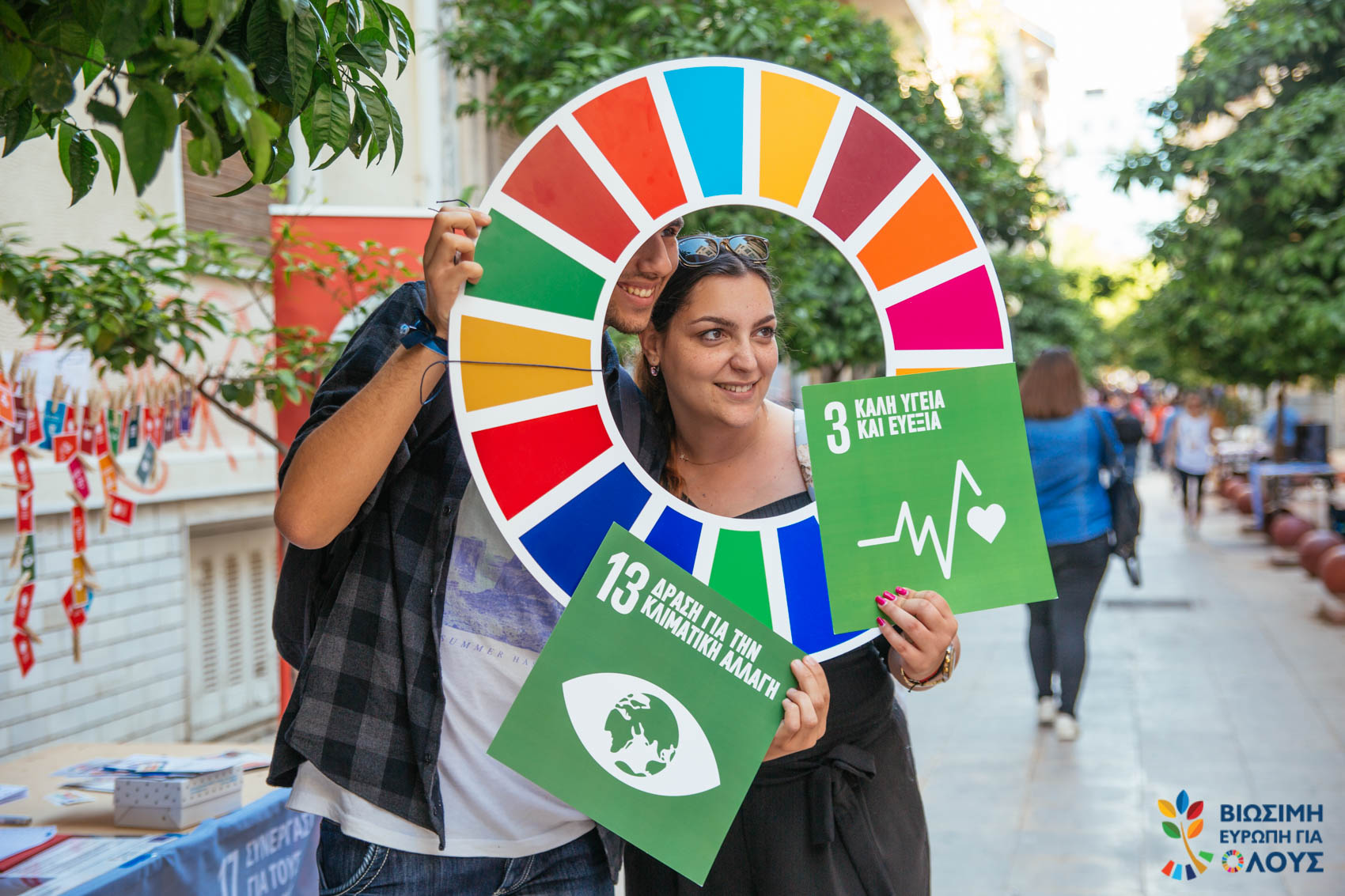
On 22/4/2018, the Hellenic Platform implemented its first major public event on Global Goals and launched the campaign “Fight Inequalities” in Greece.

The first idea of the event was coordinated by 4 organizations: the Hellenic Platform for Development, ActionAid Hellas, Victoria Square Project and the World Human Forum. We took the name and the idea of Agenda 2030 and we placed it in the most central square of Athens, Victoria Square and specifically on Hope street. Victoria Square was chosen as it hosts groups from different countries, religions, homeless people and many other sub groups that have no connection between them. So the name of the event came up to “HOPE 2030”. Hope for the Agenda 2030, hope for the people who face inequalities, hope for a better future, leaving no one behind.

Exhibitions, workshops, cultural events, even planting for minors and adults were included in the all-day program, aimed at creating a major social alliance to implement the Agenda 2030 and bring people together to fight inequalities.

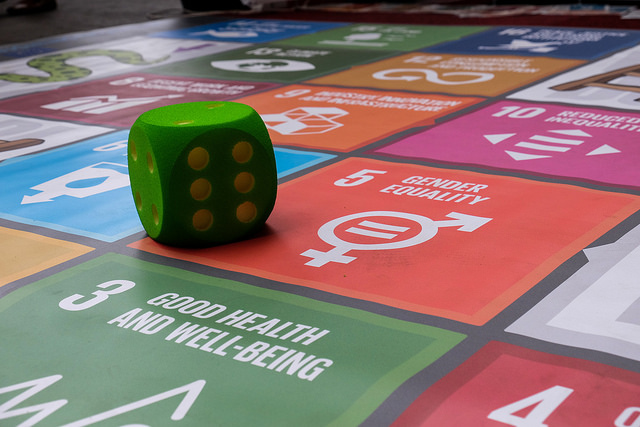
On Hope Street, the Hellenic Platform set up 17 Stations, one for each Global Goal, where there were organizations that informed passers-by for the Goal, through games and activities and through their work. All activities and presentations were focused on inequalities and the interlinkages of the Goals. All games, presentations, workshops, activities, even music concerts were not only in Greek, but also in English and in some cases in more languages, so that everyone can participate, get informed and enjoy.

More than 40 organizations took part with more than 120 volunteers and representatives, who informed more than 1500 people. The organizations were from different sectors, including businesses, projects, and universities. Politicians, actors and famous journalists also passed by to get informed and talked with the organizations about their action.

Hellenic Platform for Development coordinates Greek Non-governmental Organisations performing in the fields of international development cooperation, humanitarian aid and development education. It currently represents different NGOs supported by a large segment of the Greek society and with a significant activity nationwide and in many developing countries.

We need to accelerate the transition towards a fair and ecological society, according to IFOP-Association 4D poll

By Vaia Tuuhia and Carole-Anne Sénit, Association 4D

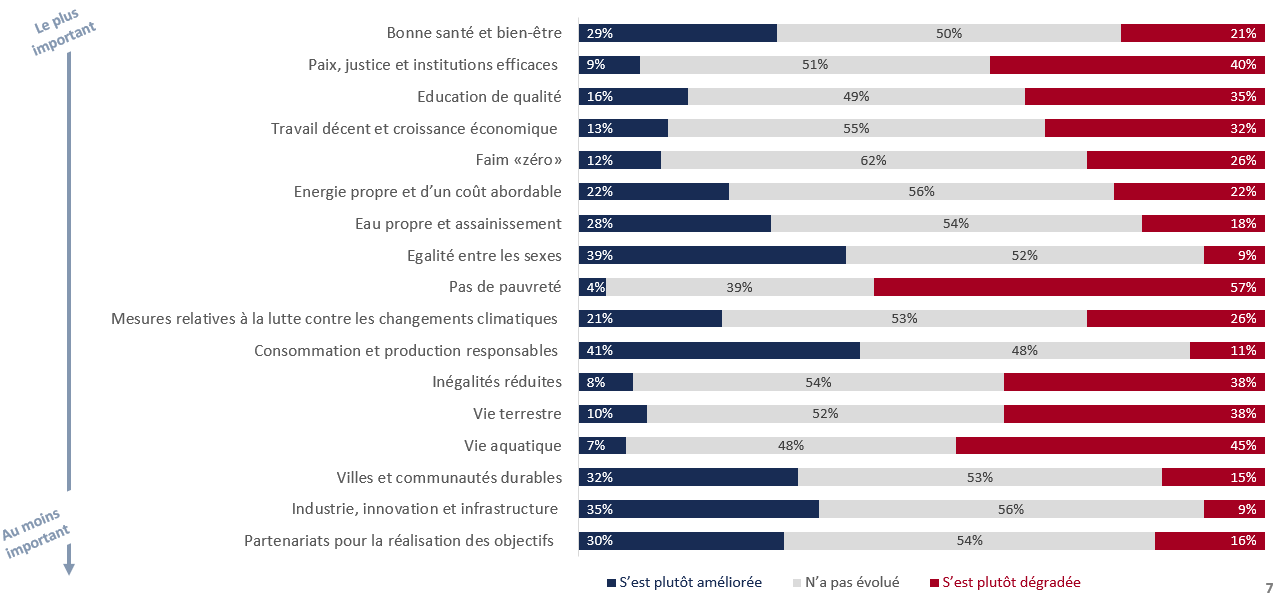
Question replied on the graphic: Would you say that the situation on your chosen goals has got better, stayed the same, or got worse over the past 12 months?

French people strive for a peaceful society

IFOP has conducted a poll for Association 4D in partnership with the United Nations’ My World 2030 survey in the run up to the 2018 High Level Political Forum, which gathers all the member states of the United Nations in New York from 9 to 18 July. Every year, member states report to their counterparts and civil society on the actions they implemented to contribute to build a more sustainable and inclusive world. Among the 17 challenges presented to the participants, the promotion of just, peaceful, and inclusive societies has been marked as one of the main priorities by 50% of the respondents. And yet, only 9% of them consider that progress has been made in this area over the past 12 months. This is a powerful message in response to rising populism, the selfish and isolationist behaviors of states, and the shrinking of civic and democratic space in France.

The other issue marked as a priority by almost 6 respondents out of ten relates to health and the promotion of well-being for all at all ages (58%). The greed for (over)consumption has been substituted to the need for a healthy and balanced life, respectful of others and the environment.

The 17 challenges presented in the poll are based on the Sustainable Development Goals (SDGs) of the United Nations’ 2030 Agenda, a societal project which all member states committed to on 25 September 2015. Taken together, the SDGs constitute an inspirational and transformational plan of action that is supposed to pull us away from the tipping points beyond which our environment would fall into a state much less favorable to the development of human societies. From the degradation of marine and coastal ecosystems to persisting poverty and rising inequalities, the daily warnings remind us of the urgent need to depart from the status quo.

France needs to change its course of action

Despite the adoption of the SDGs 3 years ago, we can only point out the difficulty of France to engage in such transformational plan, and to adopt and implement the needed public policies to achieve the SDGs. Respondents indeed feel that important setbacks have been taken place in France over the past 12 months on poverty (SDG 1) – 96% of the respondents consider that the situation on this issue has not gotten better. The state of the world’s oceans (SDG 14) has not gotten better for 93% of the people surveyed. As for inequalities among and within countries (SDG 10), 92% of the respondents consider that they have not been reduced.

Yet a contingency plan exists: the ambitious implementation of the 2030 Agenda by France, along with its European partners, can accelerate the transition towards a fair and ecological society. However, the IFOP poll indicates that merely 6% of the population seem to be aware of the 2030 Agenda and the SDGs. Yet the goals will hardly be achieved without civil society, business, and public authorities taking ownership over the SDGs, and designing collective programs, policies, and strategies for their implementation.

The national roadmap for SDG implementation must be discussed by citizens

The French roadmap for SDG implementation is a great opportunity to foster citizen and decision-makers’ knowledge of and ownership over the 2030 Agenda. Steered by the State Secretary to a fair and ecological transition Brune Poirson and defined in partnership with civil society, this roadmap will be submitted to a series of consultations between January and March 2019, before its interministerial endorsement. This consultation phase must include citizens. Only with massive citizen participation will the shared implementation of the 2030 Agenda bring us closer to its objectives: transforming our world into an inclusive, safe, and sustainable environment allowing each and everyone of us to (re)bound with ourselves, with others, with nature, and to thrive in a fairer and more peaceful globalization.

Press contact: Vaia Tuuhia (Association 4D) +33 (0)7 81 65 51 47

IFOP contact: Adeline Merceron / Frédéric Dabi +33 (0)1 45 84 14 44

Association 4D was created after the Rio Conference in 1992 to build some expertise on sustainable development. They develop their activities at local, national and international level sharing with their network a vision of preserving the planet resources while reducing inequalities thanks to democratic practices.

Hungarian NGOs establish a roundtable on SDG implementation

By Klara Hajdu, CEEweb for Biodiversity

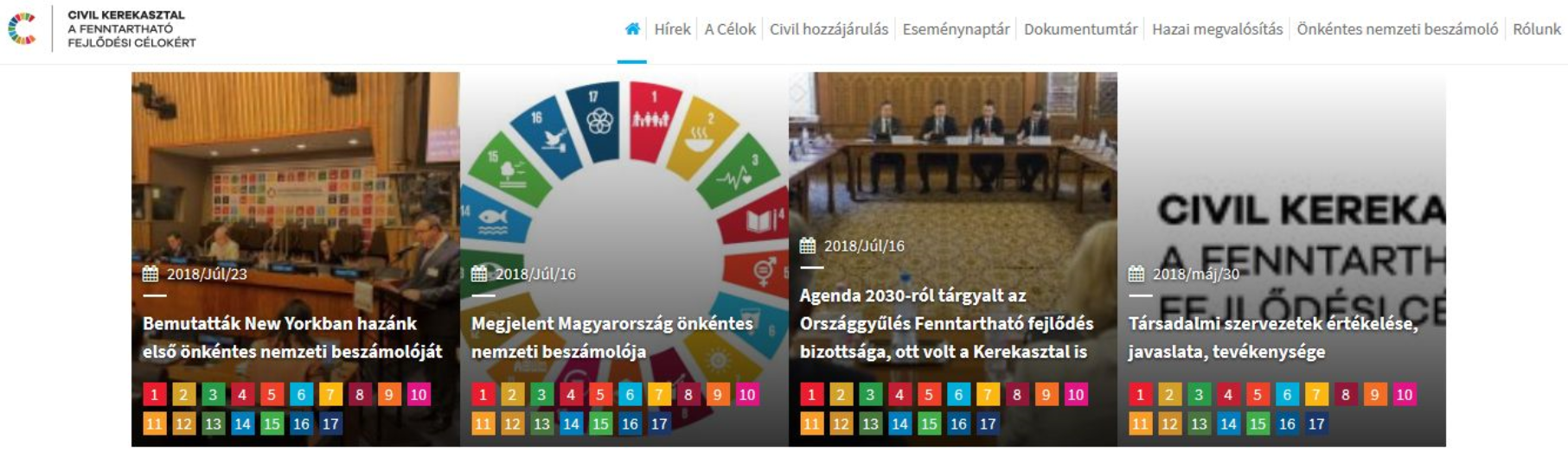
Establishing a structured dialogue between the government and social partners on SDG implementation is the main objective of the Hungarian NGO roundtable on SDGs, which was established last year. Eleven Hungarian NGOs from various sectors came then together to establish the NGO roundtable, which apart from the communicating with the government aims to raise awareness among stakeholders and the public, and exchange information and expertise on SDG implementation.

As Hungary presented its VNR this summer at the HLPF, it was the first common exercise of the roundtable to provide an input to the process. Its short analysis and recommendations were included in the report along with inputs from other non-governmental partners, even though NGOs criticised the lack of dialogue and transparency in the VNR process, for instance that the report was only made public in its final form just before the meeting in New York.

As the roundtable also sees it is important to provide a reliable picture on the state of national SDG implementation, on its Hungarian SDG portal it shows 78 indicators along the 17 SDGs to present Hungarian situation in various fields like reflecting on the risk of social exclusion, energy use per capita, PISA results, public debt, suicide rate, youth unemployment rate, etc.

CEEweb for Biodiversity is a network of non-governmental organizations in the Central and Eastern European region working for 20 years in 20 countries. Our mission is the conservation of biodiversity through the promotion of sustainable development.

How the SDGs are being highjacked and what to do about it

By Marie-Luise Abshagen, German NGO Forum on Environment and Development

The use of the SDGs as a reference in the political discourse has more or less become quite a mainstream thing to do. We can see this in domestic policies, on the EU level as well as in international processes. This can be a good thing. It means we can have a discussion on this global plan of action, without having to spent time to convince our political counterpart of the validity of this framework.

Nevertheless, after three years of the 2030 agenda, we still see little willingness to go about it and actually start doing what is written in the SDGs. We see lots and lots of talk. And, what might be even worse, we see that the SDGs are increasingly being misused for inherently unsustainable structures and processes, and that they are being captured by those who are not the least interested in changing the current status quo.

The SDGs, for example, have become a justification for agribusiness worldwide. Even though it has been proven false that highly-productive agricultural systems through resource intensive, GMO-based industrial farming can achieve the objectives of decreasing hunger, malnutrition and poverty – these have also been the cause of the worldwide destruction of ecosystems and livelihoods. Yet, corporations, governments and international institutions argue big agribiz will help implement the SDGs.

We also find the goals as a rationale behind the push to mine the oceans’ mineral resources. In this deceptive logic, deep sea mining is being framed as a sustainable form of resource extraction necessary to achieve a renewable, fossil free energy system – and thus necessary for the better of humanity. Conveniently, its supporters, among them many governments as well as UN bodies, leave out the fact that there cannot be any sustainable mining in the oceans. Every intrusion will inevitably destroy biodiversity, the relevance of which for the earth’s systems, the food chain and eventually for humans we cannot even begin to fathom.

Banks, monetary institutions, economists, development agencies, governments – all of them link the SDGs to economic empowerment and sustainable growth. Yet, we know that the global economy is not working for the vast majority of people. The gap between rich and poor, between and within countries continues to grow at a worrisome trend. Even in the richer countries, many are beginning to feel this gap. Those in the Global South have lived with this reality for decades and centuries. How is it that hardly anyone dares to challenge the logic of implementing the SDGs through economic growth with yet again the same development tools? Isn’t it absurd to believe that in order to end poverty we need to install the same kind of economy we know to actually be the main driver for poverty. Or is one only a proper citizen of the world if you are a digitally connected entrepreneur?

Finally, speaking of corporations – four in ten of the world’s largest companies already reference the SDGs in their corporate reporting. Does this really make them more sustainable? Should we trust in partnerships with these multinationals, simply because they have understood the modern sustainability narrative and included some form of SDG reference into their business plans, reporting or PR campaigns? I would argue not, if this does not change business practices as a whole – which means opting out of their consumption driven business model based on ever more resources and cheap labor and as little regulation as possible.

The 2030 agenda has become a sort of endorsement for some of the most problematic processes in our current economic system. Just slap on the SDGs, and people won’t be suspicious of the validity of what you are doing.

In some ways, this is the fault of the SDGs themselves. They are not by nature a progressive text but highly subjective to interpretation, full of contradictions. If you believe in the current economic model, the SDGs can be your go-to guidelines. Similarly, if you want to achieve progressive change, they are a projection screen for almost any political strategy you might be following.

It is so very important to understand this properly and to actively act against it. The logic of big singular and mainly economically driven solutions has again and again proven to be false, and only leading to more profits for the already rich elites. This cannot be what we agree to when we call for the implementation of the SDGs.

For all of us, the leading question has to be: What kind of development and sustainability model am I actually (maybe involuntarily) promoting? We have to be careful using the goals the right way and not to fall into a system reassuring role. All to happily governments use NGOs and other civil society actors to support their own policies. And while it is good in some cases and necessary in others for us to play the cooperative part, we must be careful not to lose our power of opposition and to apply pressure where change is so urgently needed.

If we don’t refuse the debt-driven economic model with its one-size-fits-all solution, if we don’t defy the idea that the key to protecting nature lies in a more efficient use of ever new resources, and if we don’t reject the notion that technologies will save us from ourselves simply because humans will be smart enough to finally invent that one thing to solve our crises – the story of the SDGs will not be a happy one.

We must be aware of the flaws of the SDGs, the way they are being used and by whom. We must carefully and continuously set the narrative around them. We must constantly challenge our partnerships with other stakeholders. This also means to reflect on our own communication strategies and political practices.

The good news: In order to reduce inequalities and protect the planet, most of the steps are clear to all of us. Whether we argue within the capitalist norm or not. Solutions range from alternative money systems to a financial transaction tax, from cooperative economies to binding regulations on multinational companies, from establishing protected areas with the help of indigenous communities to cradle-to-grave resource usage and production systems.

It is our responsibility to link real change to the SDGs and challenge anything that only pretends to be.

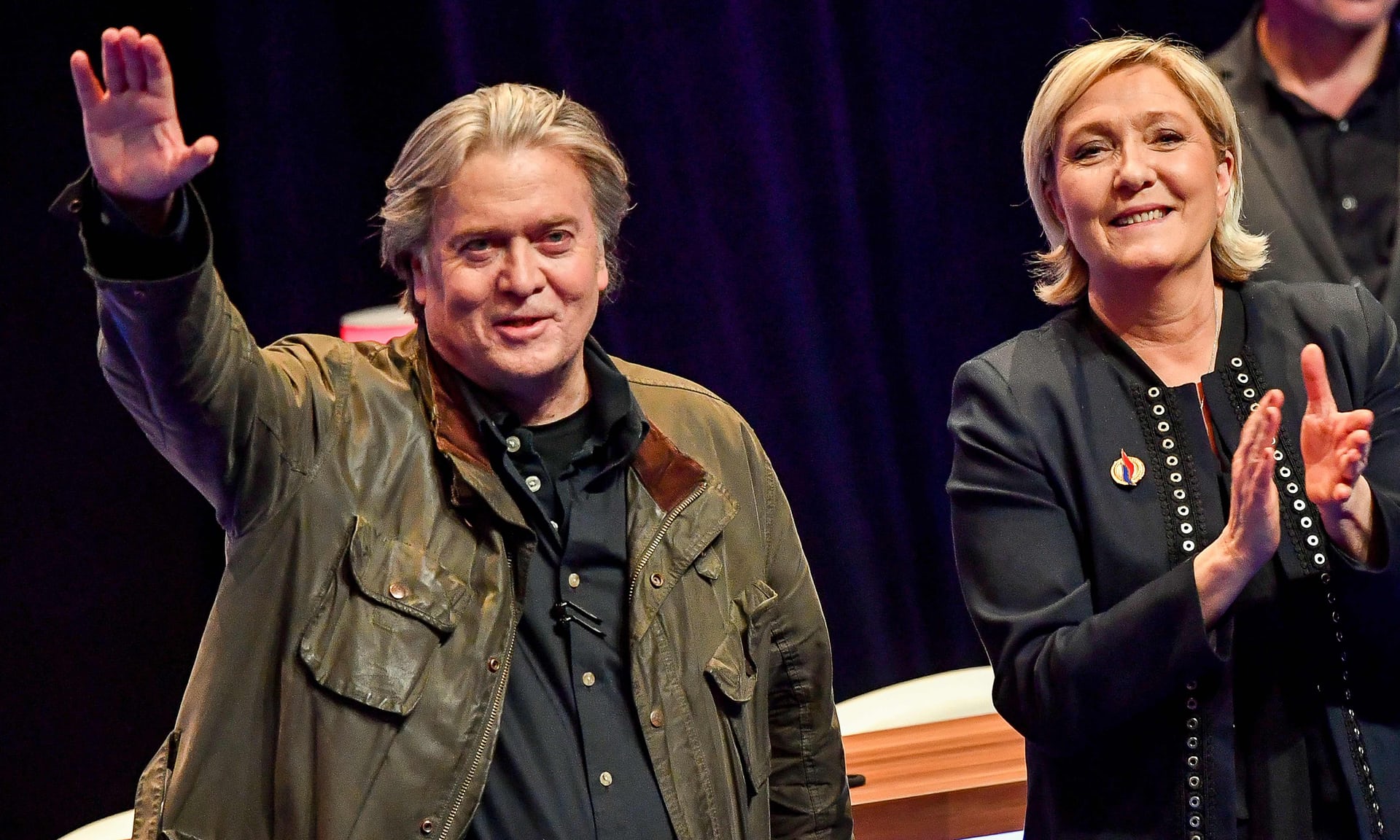
Steve Bannon plans foundation to fuel far right in Europe

By Jamie Doward, the Guardian

Former White House chief adviser says he wants to rival to George Soros’s influence

Steve Bannon has announced plans to establish a foundation in Europe that he hopes will fuel the spread of rightwing populism across the continent.

Donald Trump’s former chief advisor in the White House told the Daily Beast that he wanted to offer a rightwing alternative to George Soros’s Open Society Foundation, which has given away $32bn to largely liberal causes since it was established in 1984.

“Soros is brilliant,” Bannon told the website. “He’s evil, but he’s brilliant.”

The foundation, which Bannon said would be called The Movement, will offer polling, advice on messaging and data targeting and research to a network of rightwing parties across Europe that are enjoying a significant surge in support.

Bannon has met rightwing politicians across the continent in the past 12 months, including Ukip’s former leader, Nigel Farage, members of Marine Le Pen’s Rassemblement National in France and Hungary’s Viktor Orbán.

He told the Daily Beast that he envisioned a “supergroup” within the European parliament that could supply as many as a third of MEPs after next May’s Europe-wide elections. He also said he planned to spend half of his time in Europe once the US midterm elections are over in November.

While Bannon has talked up his hopes of matching Soros’s impact, his initial ambitions to rival the financier’s reach and influence appear more modest.

The Movement’s headquarters, which are expected to be in Brussels, is likely to have fewer than 10 full-time staff ahead of the 2019 elections, after which it will expand if its impact is judged to have been a success.

Bannon gave no indication of how much money he intended to plough into the project, nor where funding would come from.

Having been forced out of the White House, he has struggled to carve out a new role for himself. His campaign to replace dozens of Republican incumbents in the Senate with new blood has largely run into the ground.

“People are starting to realise that the anti-establishment thing is kind of a luxury we can’t afford right now,” Bannon told the New York Times in May.

He appears optimistic, however, about his potential impact on the European stage, buoyed by the knowledge that the leave campaign’s victory in the Brexit referendum was achieved on a £7m budget.

He told the Daily Beast: “When they told me the spending cap was £7m, I go: ‘You mean £70m? What the fuck?!’ £7m doesn’t buy anything. It doesn’t buy you Facebook data, it doesn’t buy you ads, it doesn’t do anything. Dude! You just took the fifth-largest economy in the world out of the EU for £7m!”

Bees before pesticides, campaigners say

By Emily Macintosh, EEB

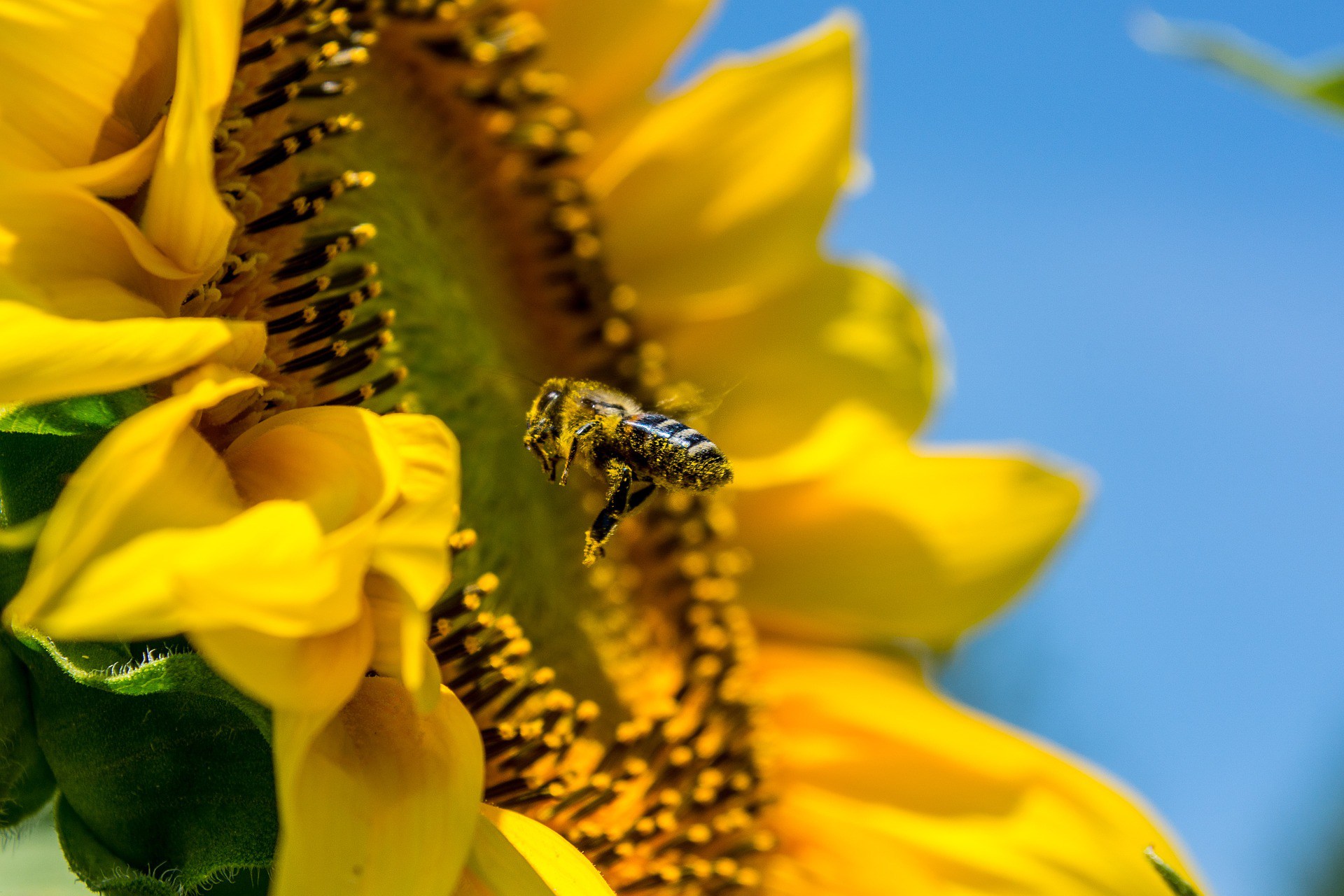
More than three quarters of the world’s food crops depend on pollination and the value of insect pollination has an estimated value of 153 billion euros globally and up to 15 billions euros in the EU alone. Yet numbers of wild pollinators such as bees, bumblebees, butterflies and other insects are plummeting, in part as a result of intensive  agriculture, habitat change and widespread pesticide use.

Today a special bee conference is taking place in the European Parliament – just weeks after a new Commission plan to reverse this trend was dubbed as insufficient by environmentalists.

Sergiy Moroz, Senior Policy Officer for Water and Biodiversity, said: “Given the scale of pollinator decline, only new binding laws and fundamental reform of the Common Agricultural Policy to end nature-harming farm practices and over dependence on pesticides will protect our pollinators, often called ‘the little things that run the world’.”

The IUCN European Red List of Threatened Species showed that 9% of wild bees and butterflies, and as many as 24% of Europe’s bumblebee species are now threatened with extinction.

In April, EU countries voted for a total ban on neonicotinoids – the world’s most widely-used insecticides following a damning report from the European Food Safety Authority (EFSA) that concluded neonicitinoids pose a high risk to both honeybees and wild bees. Last year, the controversial herbicide glyphosate was recently relicensed for five years by EU countries – despite a raft of studies sounding the alarm over its impact on health and the environment.

Beyond the EU, some of the world’s most vulnerable communities are fighting against pesticide products, including some that have already been banned in the EU. Communities in Asia, Latin America and Africa have been affected by the use of ‘nematicide’ to kill worms which destroy banana plantations. Nematicide was banned in the EU in 2009 as it poses a danger to health and the environment.

And the EU’s high consumption levels of animal produce also has a direct impact on human health, the environment, and pollinators in countries like Argentina where environmental activists have challenged the use of glyphosate on monocultures of GM soybean used to grow animal feed destined for foreign markets. An estimated 35 million hectares of land globally is required to supply the EU with the feed it needs to sustain current livestock production levels every year.

This comes as a new campaign from ‘Make Europe Sustainable For All’ – a group of 25 NGOs from across Europe – is warning that inaction on the inequalities arising as a result of global pesticide dependence will mean countries in Europe and beyond won’t achieve the global goals agreed between world leaders in 2015 that aim to end poverty and protect the planet – the Sustainable Development Goals (SDGs).

The campaign calls for a move away from pesticides and towards more sustainable farming methods such as agroecology in order to help meet several of these goals, in particular: SDG 1 on tackling poverty; SDG 2 on zero hunger; SDG 12 on responsible consumption and production; SDG 13 on climate action; SDG 14 on safeguarding seas and oceans, and SDG 15 on environmental protection.

The European Environmental Bureau (EEB) is the largest network of environmental citizens’ organisations in Europe. It currently consists of around 140 member organisations in more than 30 countries (all EU Member States plus some accession and neighbouring countries), including a growing number of European networks, and representing some 30 million individual members and supporters.

Sustainable development: new steps forward for a stronger collaboration between the UN Economic Commission for Europe and Civil Society

By Marion Steff, European Disability Forum

The UN Economic Commission for Europe (ECE) Secretary General Olga Algayerova of Slovakia met with the ECE Regional Civil Society Mechanism (RCEM) on the first day of the High Level Political Forum in New York. EDF is an active member of the RCEM, as we coordinate the Constituency of Persons with Disabilities. We were therefore pleased to have a chance to talk with Secretary General Algayerova as well as Monika Linn, the Chief of the Sustainable Development and Gender Unit in the Office of the Executive Secretary of ECE.

Both were very keen to hear about the progress we made to organise ourselves as a strong and coordinated civil society platform, to ensure all voices are included in the regional processes around sustainable development.

Ms Algayerova explained that the next regional forum will be on 21-22 March 2019, with the CSO Forum the day before. The agenda and content will be decided after the summer, with a first coordination meeting in September, however the focus will most likely be on peer-learning.

The RCEM agreed to organise a working group to support the agenda and make recommendations for an efficient event. For instance, we suggested the possibility to organise parallel sessions for the SDGs under review, with, for instance presentations, by CSO of alternative reports such as EDF’s second human right report on the SDGs and the CRPD. We also asked for CSO speakers to be included in the programme, to have a clear and transparent system to submit side-events co-hosted by countries, and we also insisted on making the event accessible, with captioning for instance.  We also would like to have the possibility to input in any official documents to ensure the expertise and knowledge of CSO is recognised and valued.

The European Disability Forum is an independent NGO that represents the interests of 80 million Europeans with disabilities. EDF is a unique platform which brings together representative organisation of persons with disabilities from across Europe. EDF is run by persons with disabilities and their families. We are a front runner for disability rights. We are a strong, united voice of persons with disabilities in Europe.

How to mobilise young people to embrace the Sustainable Development Goals

By Siamak Sam Loni and Angela Riviere, IB

Today, more than half the population on the planet is under the age of 30 — the largest  generation of children and young people that the world has ever seen. Through their creativity, energy and idealism, young people can bring about generational change, which can challenge the status quo and achieve positive outcomes rapidly. Young people can help build a new system, one founded on sharing knowledge and cooperating across borders. As such, the lifestyles (values, attitudes, behaviours) and capabilities (knowledge and skills) of this generation will come to define the world in 2030 and far beyond. More than ever, young people are becoming aware of the enormous stake they have in defining and addressing global challenges—income inequality, climate change, conflict and poverty. They have an important role to play as a driving force for change.

What kind of world could today’s young people build?

One preferred future is outlined by the UN’s Sustainable Development Goals (SDGs). These 17 objectives—negotiated and agreed to by all 193 world governments in 2015—envision a future in which we have eradicated poverty, protected the planet and ensured that all people enjoy peace and prosperity. They are considered by many experts to be the most important agenda of the 21st century because they highlight both the challenges and opportunities for the next 15 years.

What are IB World Schools doing to help young people prepare for a future that is filled with both threat and promise?

Sam Loni, Global Coordinator of the Sustainable Development Solutions Network (Youth), says: “Education has the power to help overcome many of these complex issues, and IB students are particularly well placed to respond. Their programmes of study equip them with the knowledge required to understand and engage with the SDGs as informed global citizens; they share a philosophy and mission that leads them to care about the SDGs, and a range of engagement activities that encourage them to transform this into action.”

Programme development staff in the IB’s Hague Global Centre recently met with Sam to hear about some of the initiatives being undertaken to engage young people globally in the challenges of sustainable development.

After meeting with IB staff and learning more about the four IB programmes, Sam was not surprised why so many of the young leaders he works with are IB alumni. He said, “The mission and ethos of the IB aligns perfectly with the philosophy of the SDGs. IB World Schools offer their students an education that is global, multidisciplinary and strives for a better world. Similarly, the SDGs are a universal and holistic agenda that aim to create more prosperous and inclusive societies by 2030. With 4,750 schools in more than 150 countries, 1 million students and a massive alumni network, the IB and IB students have the potential to make a significant impact on the SDGs. The innovative programmes and dynamic learning environments of IB World Schools allow for an easy and effective alignment to SDGs.”

“For example, the community project in the Middle Years Programme (MYP) and creativity, activity, service (CAS) and service learning projects in the Diploma and Career-related Programmes, could easily be transformed to explicitly align with the SDG framework. This would also help learning outcomes as it would give student projects a clear framework of action—making it easier for students to choose a project, understand/evaluate its impact on their society and report its outcomes against global objectives.”

Here at the IB, we are continuing our conversation with SDSN Youth (part of Sustainable Development Solutions Network), exploring potential teacher support materials, curriculum development, and guidance for schools. Many IB World Schools are already involved. How is your school helping students understand and engage with the 2030 SDGs? There are lots of ways that you can share your learning stories with us: Post a comment below, email us, start a discussion within the programmes communities via My IB, on Twitter including @iborganization and @SDSNYouth. And we are very excited about the #generationIB event coming up this September, find out more on their website.

The IB offers an education for students from age 3 to 19, comprising of four programmes that focus on teaching students to think critically and independently, and how to inquire with care and logic. The IB prepares students to succeed in a world where facts and fiction merge in the news, and where asking the right questions is a crucial skill that will allow them to flourish long after they’ve left our programmes. We are supported by IB teachers and coordinators who develop and promote the IB’s curriculums in almost 5,000 schools globally every day, in over 150 countries around the world.

The urgent need for reform of the UN’s HLPF

By Deirdre de Burca – SDG Watch Europe Steering Group member

*This article reflects the personal views of the author on HLPF reform. SDG Watch Europe members will be consulted for their views on the issue in early autumn 2018.

For those SDG Watch Europe members who attended the UN’s High Level Political Forum (HLPF) in New York this year (9-18 July), there was a growing sense of urgency about the need to reform the way in which it is constituted and functions.

47 UN member states volunteered this year to present their Voluntary National Reviews (VNRs) at the HLPF. As in previous years, the CSOs who were present in New York spent much of their time meeting on the margins of the HLPF, as part of unofficial side events or in other gatherings organized by and for civil society.

Because many of the CSOs attending the HLPF this year were present on several previous occasions, it was easier to identify recurring issues and ongoing concerns linked to the current mandate and functioning of the Forum.

A common critique of the HLPF by civil society is that it is a very state-led and state-centered process. The role played by civil society and other key stakeholders in the HLPF is currently very limited, despite the clear commitment of the Agenda 2030 to a multi-stakeholder approach to monitoring and implementation.

Most national HLPF delegations do not include CSO representatives. When they do involve CSO representatives, these individuals are allowed approximately two minutes to comment publicly on the VNRs produced by governments. The growing number of high-quality CSO Shadow Reports produced in parallel to the VNRs are given no official status of any kind as part of the HLPF and cannot be uploaded to the UN website.

A major outcome of the annual HLPF is the publication of an official “Inter- Ministerial Declaration” that reflects some of the current issues and priorities identified by the Member States linked to the monitoring and implementation of the Agenda 2030 for Sustainable Development. Unfortunately, civil society and other stakeholders are not given the opportunity to provide input into this Declaration and generally react to its publication by issuing their own official response.

Fortunately, UN Member States have committed themselves to carrying out an official review of the HLPF in September 2019. Over the coming year, SDG Watch Europe members and broader civil society must engage in intensive advocacy aimed at governments and other key actors They must ensure that this planned review goes well beyond a superficial reflection process and that a range of fundamental and necessary HLPF reform proposals and policy changes are generated that will be implemented over the next few years.

When UN Member States review the HLPF in September 2018, the focus of the review should be multi-level and include the national, regional and global levels of the HLPF cycle. This will mean that Member States should review: 1) the Voluntary National Review processes, 2) the regional level peer review processes which take place through the UN’s Regional Sustainable Development Forums, and 3) the global level HLPF annual peer review system that takes place in New York every July.

Although all levels of the HLPF cycle are equally important, particular attention should be paid to the VNR process in order to ensure that it becomes a national- and locally-owned process. With this objective in mind, governments should be required to present draft VNRs for debate and approval by national parliaments and by the official multi-stakeholder Sustainable Development Forum before it is submitted at a global level to the HLPF.

At the regional level, civil society should be properly resourced to organize itself across national and sub-regional boundaries. Multi-annual funding should be provided to resource permanent secretariats for the new Regional Civil Society Engagement Mechanisms (RCEMs) being established in each region. Resources should also be provided under Goal 17 of the Agenda 2030 to engage in CSO capacity development the regional level. Regional exchanges and learning hubs should be established involving diverse stakeholders to promote more effective Agenda 2030 monitoring and implementation across each region.

At a global level, the HLPF should create a “Civil Society Forum” similar to the existing “Business Forum” where CSOs can come together to debate issues and agree on positions linked to the monitoring and implementation of the Agenda 2030. CSO Shadow Reports linked to VNRs should be given the same formal status by the UN, and a dedicated website linked directly to the UN website should be provided where these parallel reports can be uploaded.

The draft Ministerial Declaration adopted at the end of each HLPF should be much more action-oriented and it should be shared with other stakeholders in advance of its publication. These stakeholders should have the right to request that certain elements of the Declaration be amended or re-written before final adoption.

There should be a clear focus each year during the HLPF on involving all stakeholders in fulfilling its mandate to review progress by implementing Goal 17 (Means of Implementation) of the Agenda 2030. This should particularly include issues of financing for sustainable development, multi-stakeholder partnerships and the capacity development of stakeholders. Spaces should be created within the HLPF for mutual exchange and learning to take place amongst and between governments and other stakeholders including civil society, the private sector, trade unions, academia, etc.

The official review of the HLPF by UN Member States will take place during the 2019 UNGA from 23-24 September. In the meantime, civil society must be extremely proactive to carry out necessary advocacy with national governments and other key actors, including the EU. The focus of this advocacy must be to ensure that the review results in a reformed HLPF which will allow for much more meaningful and effective participation by civil society in the monitoring and implementation of the Agenda 2030 globally.