News

HLPF Review process

By Deirdre de Burca, steering group member of SDG Watch Europe

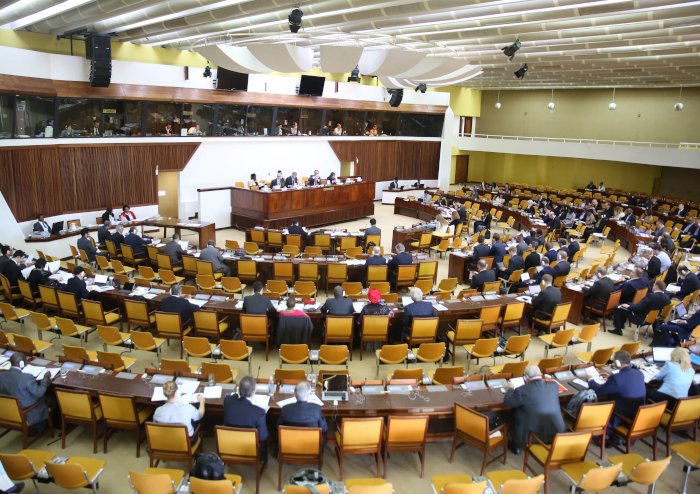
For those of you who are interested in the HLPF Review that will unfold this year, please find here a document from the Co-Chairs of this review process outlining the key issues that they will consider during this official review.

This is an important advocacy moment for civil society because the HLPF is the global-level review mechanism for the Voluntary National Reviews (VNRs) of SDG implementation that are presented by governments. These VNRs are prepared at a national level and many national CSOs influence or try to influence these national progress reports.

Therefore it is important to read the document attached to find out what the Co-Chairs of the HLPF Review are going to focus on during the HLPF Review. If your organisation is interested in doing any advocacy related to the review – either individually or collectively- it should target this advocacy at (i) the Co Chairs of the HLPF Review process – the Georgia and Benin Ambassadors to the UN and (ii) its own national government – which as a UN Member State will ultimately adopt (or otherwise) the recommendations of the Co-Chairs linked to the review. 

For more information please contact Deidre de Burca.

There are some good position papers on the review process useful for advocacy:

Gender-based violence and environment linkages

By Itzá Castañeda Camey, Laura Sabater, Cate Owren and A. Emmett Boyer

Jamie Wen, editor. Published by IUCN

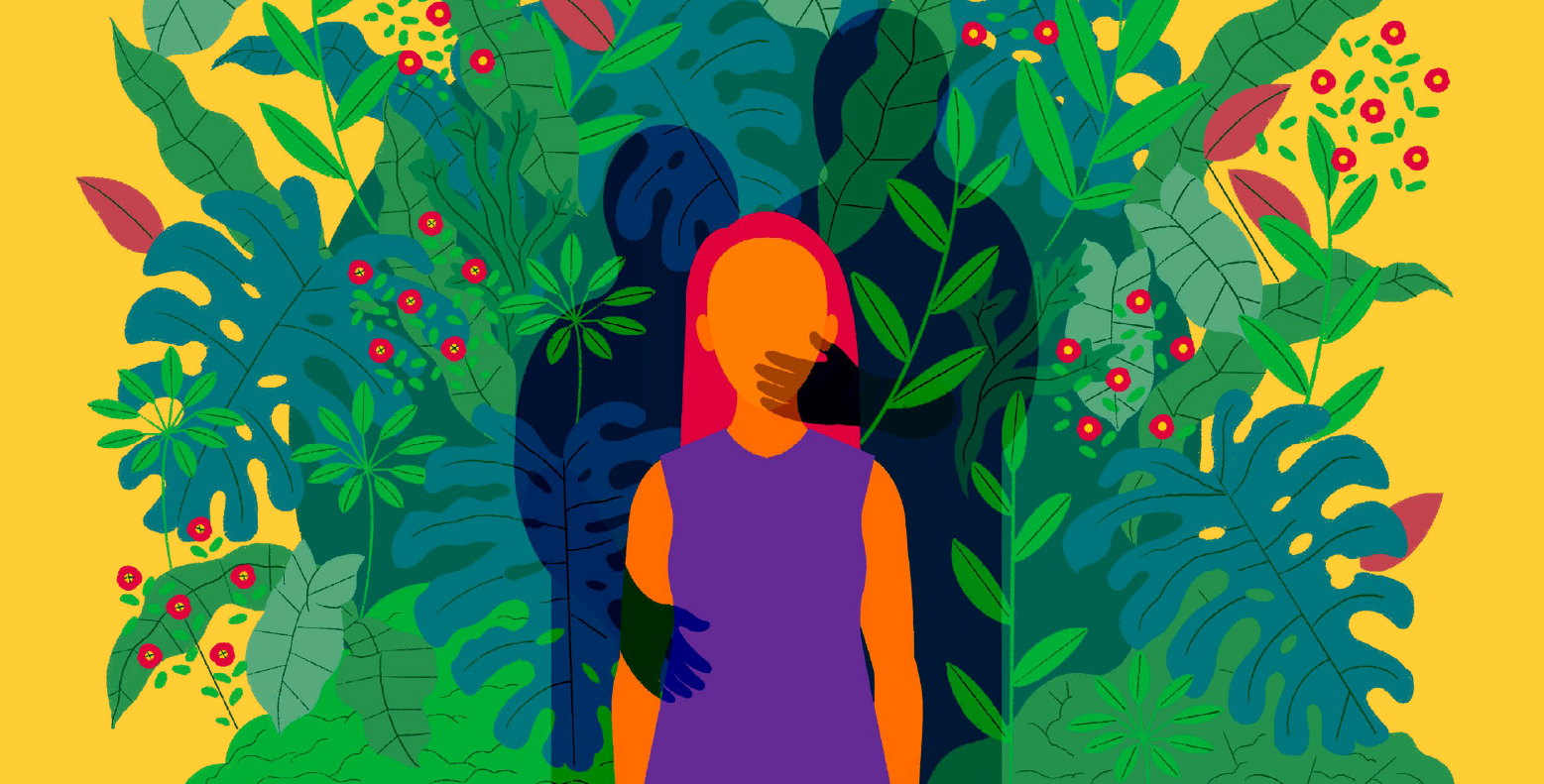
Around the world, it is estimated that one in three women and girls will experience gender-based violence (GBV) during their lifetime (World Bank, 2019). Rooted in discriminatory gender norms and laws and shrouded in impunity, GBV occurs in all societies as a means of control, subjugation and exploitation that further reinforces gender inequality. This publication, Gender-based violence and environment linkages: The violence of inequality, establishes that these patterns of gender-based abuse are observed across environmental contexts, affecting the security and well-being of nations, communities and individuals, and jeopardising meeting sustainable development goals (SDGs). While linkages

between GBV and environmental issues are complex and multi-layered, these threats to human rights and healthy ecosystems are not insurmountable. Research findings demonstrate that ending GBV, promoting gender equality and protecting the environment can be positively linked in ways that contribute to securing a safe, sustainable and equitable future.

Purpose and approaches

Gender-based violence and environment linkages: The violence of inequality establishes a knowledge base for understanding and accelerating action to address GBV and environmental linkages. Developed by the International Union for Conservation of Nature (IUCN), in collaboration with the United States Agency for International Development (USAID) as part of the Advancing Gender in the Environment (AGENT) partnership, this publication aims to raise awareness and engage actors working in environmental and sustainable development, gender equality, and GBV policymaking and programming spheres to inform rights-based, gender-responsive approaches to environmental policy, programmes and projects.

Gender-based violence and environment linkages: The violence of inequality consolidates vast knowledge and experiences gathered from across sectors and spheres, serving as a robust reference for policymakers and practitioners at all levels to understand issues and potential interventions to address GBV as it relates to the environment. Over 1,000 sources of information, experiences and interventions from international stakeholders, national governments, civil society, environmental practitioners and policymakers, advocates and activists, and academics relating to GBV across environmental contexts from around the world were reviewed. At various stages of drafting this publication, the research further benefited from key informant interviews, input from experts through a validation workshop and extensive feedback from peer reviewers. Additionally, a survey (referred to as the GBV-ENV survey) and a call for case studies on GBV and environment linkages added to this research, garnering over 300 responses and 80 case submissions documenting evidence, promising practices and capacity needs from a broad array of stakeholders. The GBV-ENV survey responses included a range of accounts in which GBV has been a barrier to conservation and sustainable development. Fifty-nine per cent of the survey respondents noted they had observed GBV of some type (from sexual, physical and psychological violence, to trafficking, sexual harassment, sexual coercion – rape in specific cases – child marriage linked to environmental crises, and more) in the course of their work to implement environmental and sustainable development projects across issues relating to women environmental human rights defenders (WEHRDs), environmental migrants and refugees, specifically-listed types of environmental crimes, land tenure and property rights, Indigenous Peoples, protected areas, climate change, energy and infrastructure, extractive industries, water, disaster risk reduction, forestry and biodiversity and the access, use and control over natural resources. Meanwhile, survey responses made it clear that knowledge and data gaps, tools and capacity-building are all needed to tackle GBV-environment linkages. Seventy-one percent of respondents noted that staff awareness and understanding of GBV-environment linkages was needed to address GBV.

Key messages

This analysis reveals the complex and interlinking nature of GBV across three main contexts explored in this paper: access to and control of natural resources; environmental pressure and threats; and environmental action to defend and conserve ecosystems and resources. Gender inequality is pervasive across all these contexts. National and customary laws, societal gender norms and traditional gender roles dictate who can access and control natural resources, often resulting in the marginalisation of women compared to men. Threats and pressures on the environment and its resources amplify gender inequality and power imbalances in communities and households coping with resource scarcity and societal stress. Discriminatory gender norms and stereotypes even shape the differentiated treatment of women and men working to protect and conserve the environment, ultimately affecting the effectiveness and success of outcomes.

Across contexts, expressions of GBV maintain societal and cultural gender inequalities and norms, forming a feedback loop to the detriment of livelihoods, rights, conservation and sustainable development. GBV is a systematic means of control to enforce and protect existing privileges around natural resources, maintaining power imbalances that create tensions within families, between communities and among involved actors. Furthermore, where the enforcement of the rule of law is limited, GBV abuses are used to enable illicit and illegal activities through sexual exploitation and/or to exert control over communities. As Indigenous communities are often on the frontlines of defending their territories, resources and rights from extractive projects and corporate interests, many Indigenous women face intersecting and reinforcing forms of gender-based and other violence (Wijdekop, 2017).

Read the whole report here: https://portals.iucn.org/library/sites/library/files/documents/2020-002-En.pdf

MEPs for SDGs launch

By Khaled Diab, EEB

A new campaign is recruiting European parliamentarians to champion the UN’s Sustainable Development Goals (SDGs) in the corridors of EU power. Several MEPs spoke at the launch

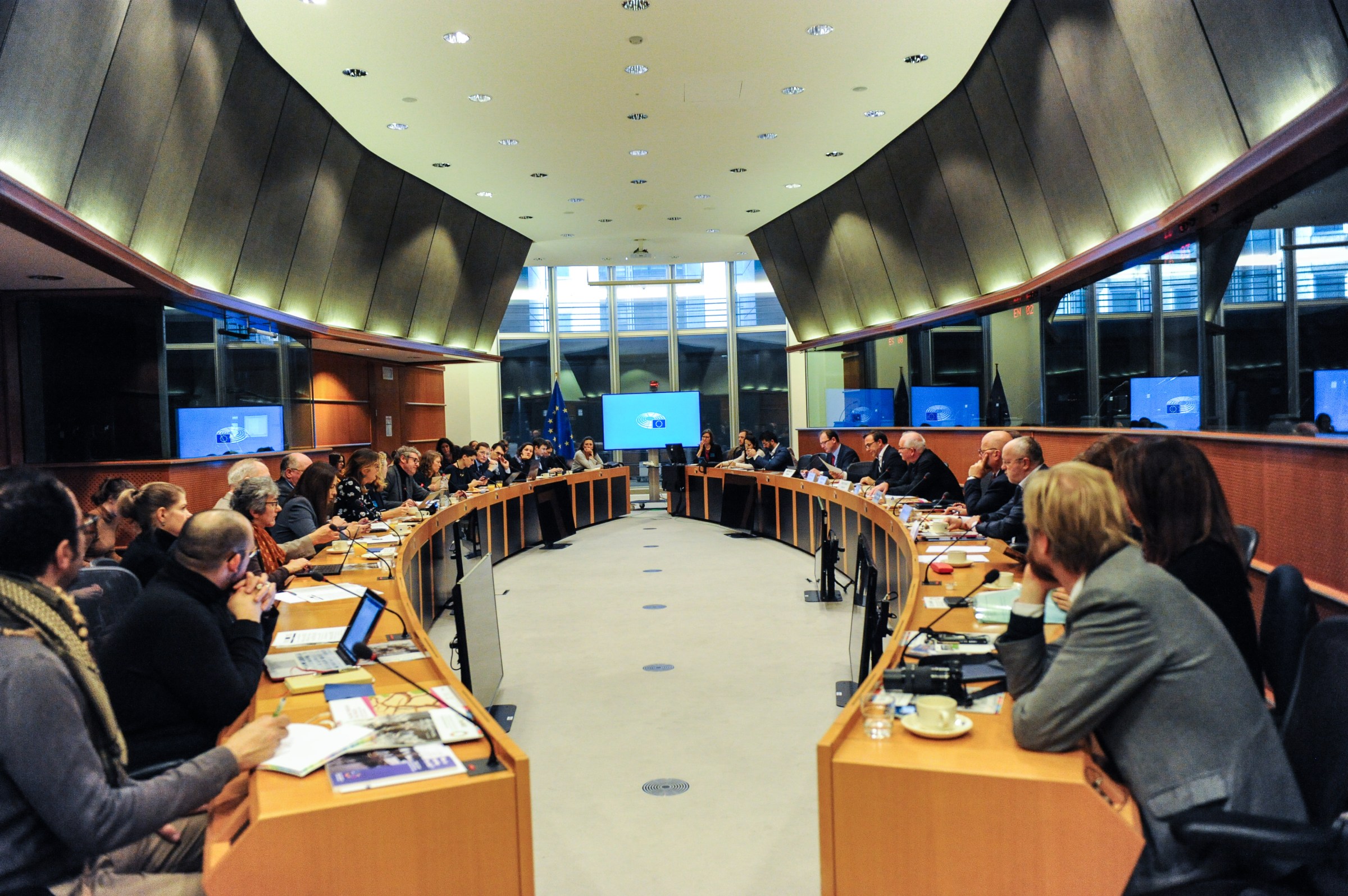
On Wednesday 19 February, the European Parliament hosted the launch of the MEPs4SDGs campaign, which seeks to encourage European parliamentarians to champion the cause of the Sustainable Development Goals in Brussels.

The SDGs are a holistic set of 17 ambitious targets, expressed in the 2030 Agenda, agreed by the international community in 2015 which seek, among other things, to eradicate poverty, narrow inequalities, tackle global warming, protect nature and ensure that humanity lives within the boundaries of the planet.

Hosted by German Social Democratic MEP Udo Bullmann, the event brought together parliamentarians with civil society. Among the MEPs in attendance were Barry Andrews of the republican Fianna Fáil in Ireland, Petros Kokkalis of the Coalition of the Radical Left in Greece, Bert-Jan Ruissen of the conservative Reformed Political Party in the Netherlands, Christel Schaldemose of the Social Democrats in Denmark, Juozas Olekas of the Lithuanian Social Democratic Party, Marc Angel of the Luxembourg Socialist Workers’ Party and Marc Tarabella of the Socialist Party in Belgium.

A sustainable species of love

Some of the attendant parliamentarians were longstanding SDG enthusiasts. “I’m very much in love with the SDGs,” confessed Angel, expressing a special affection for SDG5 (gender equality) and SDG16 (peace, justice and strong institutions).

Angel dons an SDG-themed badge on his lapel but, disappointingly for him, many of his fellow parliamentarians do not recognise the symbol and some have never heard of the SDGs.

Civil society was represented by a number of organisations, including the European Environmental Bureau (EEB), SDG Watch Europe and the Global Call to Action Against Poverty (GCAP).

“For the first time, we have a global strategy for sustainability,” Bullmann told the audience. “The [Ursula] von der Leyen Commission has placed SDGs at the policy forefront.”

“The new Commission is a major change compared to the previous Commission, which marked an era of austerity, widening inequalities and little concern for the environment,” observed the EEB’s Director for Global Policies and Sustainability Patrizia Heidegger. “SDGs have been put at the forefront. True. But is that just to please civil society or will they guide the formation and implementation of EU policies?”

Sustainability heroes

Despite progress in some areas, Europe, like most of the world, has fallen behind on its implementation of the SDGs, both at home and abroad, and, without the redoubling of efforts, is in danger of missing the 2030 deadline for achieving the SDGs. This is reflected in such areas as the widening inequalities within Europe and in how the EU exports misery to other parts of the world.

The coming decade is not only crunch time for the climate, as experts have waned, it will also make or break the 2030 Agenda. “We have no time to lose anymore, when it comes to climate action or global inequalities,” said Ingo Ritz, director of programmes at GCAP. “As MEPs, you have an important role to play as ambassadors for the SDGs and as sustainability heroes.”

MEPs4SDGs is the second phase of the ‘Sustainability Heroes’ campaign launched by the EEB and its Make Europe Sustainable for All (MESA) partners that have organised events and actions across the EU.

On behalf of SDG Watch Europe, the EEB sent out a job ad for ‘Sustainability Heroes’ to members of the European Parliament. The EEB also took to filmmaking. In a light-hearted animated film produced on behalf of SDG Watch Europe, a selection panel inspired by the pantheon of ancient gods interview prospective MEPs for the role of Sustainability Heroes.

The elephant in the Green Deal

The EU’s flagship European Green Deal not only seeks to transform Europe into a “climate-neutral continent” but to do so through a just transition that leaves no one behind. The Green Deal covers a broad spectrum of policy areas, such as clean energy, sustainable industry, sustainable mobility, sustainable food systems, biodiversity and eliminating pollution.

The launch of the MEPs4SDGs campaign featured a roundtable debate on how to ensure that the European Green Deal acts as a driver of sustainability and what the European Parliament’s role would be in forging this dynamic.

“There is a risk that the SDGs will be sidelined and bypassed in the rush to implement the Green Deal,” argued Patrizia Heidegger, who explained the new flagship policy was not designed specifically with the SDGs in mind, but these were grafted on later. “Reducing poverty and inequality is absent for the Green Deal. Speaking of a just transition alone is not enough.”

“There is no Green Deal without a red heart,” insisted Marc Angel. “The environment and society have to go hand in hand.”

Udo Bullmann feared that the budget so far earmarked for the European Green Deal was not sufficient to meet the initiative’s ambitions and goals. “Finance is the elephant in the room,” agreed Heidegger.

“It’s unthinkable that we could save the financial system but not the ecosystem,” reflected MEP Petros Kokkalis. “But where there’s a will, there’s a way. It’s up to us to up our game.” Kokkalis proposed replacing the EU’s Stability and Growth Pact, an agreement intended to maintain fiscal discipline within the euro area, with a Climate, Security and Sustainability Pact.

The EU budget is a key battleground in this regard. “It’s important to unite our efforts regarding the [Multiannual Financial Framework]. We should not vote for the MFF if it doesn’t achieve our needs,” said Juozas Olekas.

But it should not stop there. Efforts need to be made to convince national governments to harness their own budgets to serve the objectives of the European Green Deal. “The greatest financial resources are in national capitals. We need to work at both the national and European levels,” noted Bullmann.

One way to ensure that the Green Deal and the EU budgets served the SDGs was to form alliances across party lines, a few of the MEPs noted. “Denmark has a cross-party group for SDGs which has been quite successful,” Christel Schaldemose pointed out. “At the European Parliament, we need cross-party support, otherwise we can’t deliver on the SDGs.”
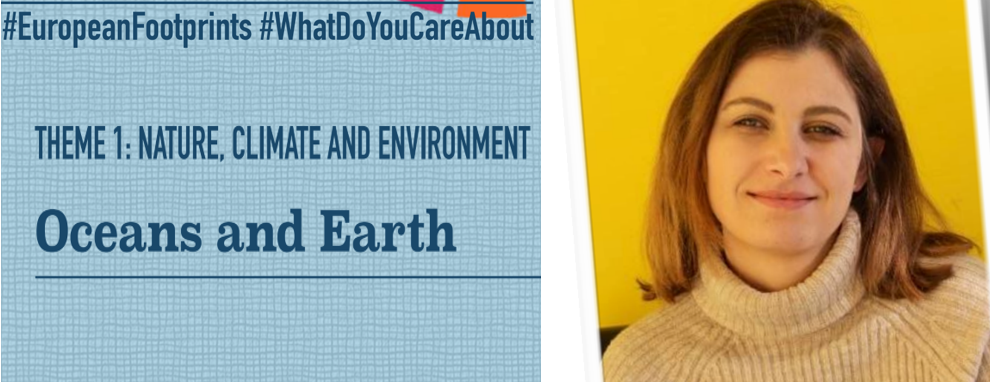
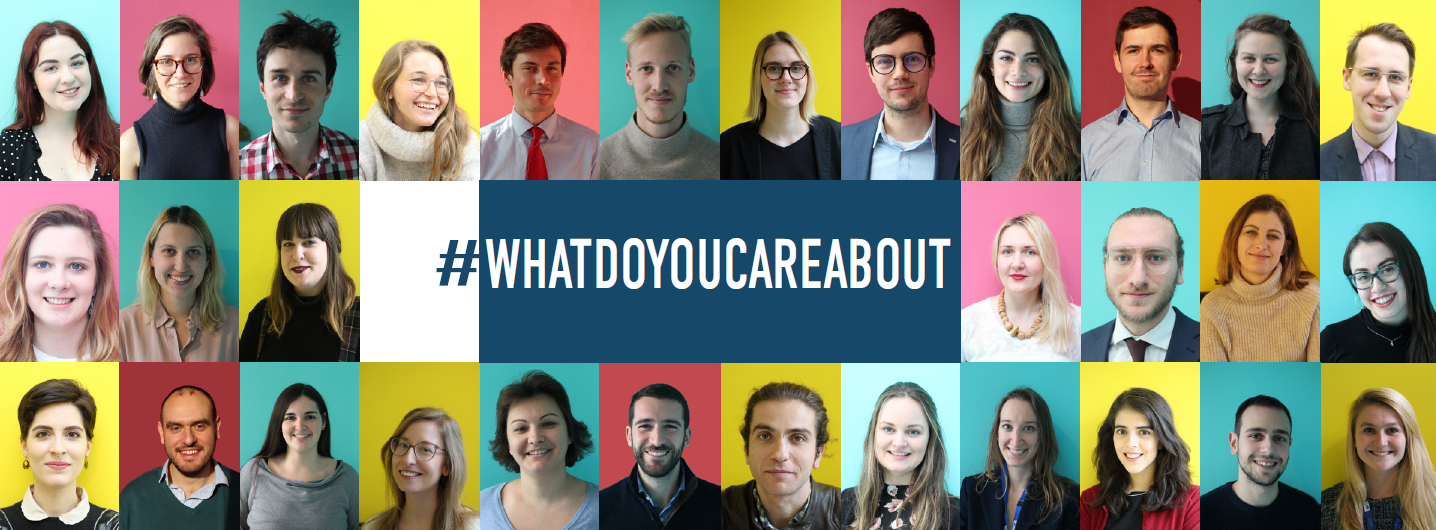
#WhatDoYouCareAbout” Stories For a Sustainable Future: Oceans and Earth

By Mirjana, Croatia 

Planet Earth is our home and features incredible biodiversity, both on land and in water. We rely on natural resources for food, energy and water, but our careless exploitation of them is causing severe damage to the world’s ecosystem, in the form of deforestation, floods, desertification and global warming. It is crucial to reverse these negative effects, and we must act quickly by promoting education, innovation and common efforts towards a sustainable and respectful use of our natural resources. Failing that, not only the planet, but also our economy and everyday life will be increasingly affected.

Croatia, the land of a thousand islands, is the third richest country in Europe in terms of natural water resources, and it boasts a well-preserved ecological environment, with hundreds of native plant and animal species. National and nature parks cover a total surface area of 5,151 km², corresponding to 9.1% of the country. A total of 11 nature parks, 8 national parks and 2 strict nature reserves are protected natural areas, showing that Croatia is a country of exceptional and diverse natural beauty. In 2017, Croatia was faced with coastal fires and floods that seriously impacted Croatian tourism and the country’s economy. These natural disasters were caused by the inefficient and unsustainable maintenance of river flows, forest areas, and sea coasts. 

“Collective action on climate change is required. People need to act and react, and drive changes themselves”.

According to future projections, Croatia is threatened by dramatic climate changes. By 2070, the air temperature could rise by 2.2 degrees Celsius, and sea levels could rise by 40 centimeters. There will be more natural disasters like hail, storms, high winds, and even tornados. Climate change will also lead to shifts in the tourist season. Due to warmer summer months, the season will not be so enjoyable. The worse climate will also significantly affect agriculture, which is considered to be an important branch of the Croatian economy. The crucial thing is that the prevention of, and adaptation to, climate change needs to happen right now. It is possible, but only with political will and efforts to integrate climate action measures into national strategies. Furthermore, collective action is required. People need to act and react, and drive changes themselves. This is achievable in many ways, but certainly, the main one is adopting an eco-friendly attitude! 

Read more #WHATDOYOUCAREABOUT STORIES FOR A SUSTAINABLE FUTURE here.

E-course “Strengthening stakeholder engagement for the implementation and review of the 2030 Agenda”

By UN DESA – UNITAR 

UN DESA – UNITAR are delighted to announce that another edition of UN DESA – UNITAR e-course, “Strengthening stakeholder engagement for the implementation and review of the 2030 Agenda ” has been launched!

This massive open online course (MOOC) is designed to strengthen the capacities of government representatives and stakeholders to engage in an effective and meaningful way with major groups and other stakeholders in the implementation and review of progress towards the achievement of the Sustainable Development Goals (SDGs).

Participants can follow the course at their own pace free of charge and earn a UN certificate upon meeting certification requirements. The course will take place from 20 January till 1 May. 

WHAT IS THIS COURSE ABOUT?

  • Understanding the need for stakeholder engagement in the 2030 Agenda at the national level
  • Learning about approaches and tools for strengthening stakeholder engagement for the SDGs
  • Designing successful strategies for stakeholder engagement in national implementation and review processes for the 2030 Agenda

You can register for the course here:  http://bit.ly/MOOCSE2020a

Glocalising the SDGs – Moving Together in the Right Direction

By Ana Ivaschiv, Assembly of European Regions (AER)

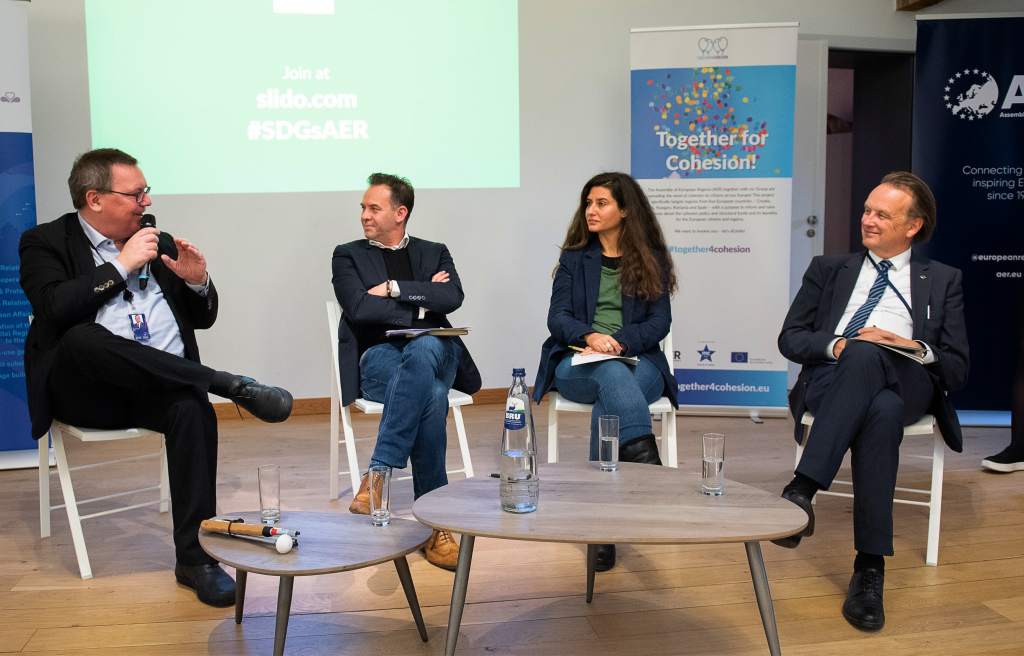
The AER Taskforce on the SDGs organised a panel debate ‘Glocalising the Sustainable Development Goals’ in the context of the AER Autumn Bureau Meeting which took place in Brussels on 5 December 2019. The debate was moderated by AER President Magnus Berntsson, who was joined by experts from the UNDP, European Parliament, Committee of the Regions, and the European Economic and Social Committee.

More than Climate Action

The discussion kicked off with a question to the audience, asking them to reflect on what first comes to mind when they hear the phrase “Sustainable Development Goals”. The words that emerged immediately were ‘Future, Social, Climate, Environment,’ and the uniformity of responses did not surprise our guests. Maria Nikolopoulou – Member of the Sustainable Development Observatory of the European Economic and Social Committee – remarked that it is quite common for people to associate the SDGs with Climate Change and Environment, however, it is important to bear in mind that the SDGs framework is based on 3 main pillars: economic, social and environmental and it is, therefore, necessary to work on all of them simultaneously, otherwise there will be an imbalance. 

Global Challenges tackled at the Local Level

The word cloud of responses led the debate to explore another topic embedded in the SDGs: citizens and their future. In this context, Erik Bergkvist – a former regional politician and now a Member of the European Parliament – was in a unique position to reflect on the role of Cohesion Policy in supporting regions, municipalities, and cities to achieve the SDGs. He stressed that everything happens locally and people have to perceive that they are part of the project and they are not left behind. Concluding his remarks, he stated ‘You have a really important job to do and most of it is still undone. I am encouraged by the quotation of Oscar Wilde: “We are all in the gutter, but some of us are looking at the stars”’. 

Following this, Juan Carlos Lopez Cecilia,Territorial Partnership Advisor at the United Nations Development Programme, further elaborated on what it means to “localise” the goals and gave advice to regions on how best to achieve this. A multi-level and multi-actor approach is needed to localise the agenda,as it will only be possible to implement the 2030 agenda.with the full participation of local and regional authorities.

Not Reachable until 2030?

As we approach the implementation decade, it was interesting to see one of the previous responses to the first question was ‘not reachable until 2030’. Participants were, therefore, asked to define the challenges that regions are facing in their view. Political willingness and financing immediately appeared among the biggest challenges and this was subsequently confirmed by Arnoldas Abramavicius, European Committee of the Regions Rapporteur on Sustainable Development Goals. Mr. Abramavicius presented a survey launched jointly by the CoR and the OECD on the contribution of cities and regions to sustainable development. A lack of support was identified by regions as a challenge for localising SDGs and insufficient resources were also cited at the heart of the matter. It is not surprising that the survey’s findings coincided with the answers from the audience. To help European regions and cities overcome these challenges, all stakeholders have to find a long-term EU strategy for a sustainable Europe by 2030 and organisations such as AER have a large role to play in implementing the Sustainable Development Goals. Maria Nikolopoulou stressed the importance of having different voices from different levels push from the bottom to implement the SDGs.

Because regions need to be more vocal on SDGs, AER has decided to organise a profile-raising conference ‘Agenda 2030: Transforming Regions, Changing the World’ which will take place at the European Parliament in Strasbourg, Région Grand Est, in June 2020.

Rubik’s Cubes & Lens

All the panellists agreed on the importance of the regions and the necessity of taking a holistic approach to implementing the goals. Inspirational metaphors came from both Maria Nikolopoulou and Eva Hallström, a strong advocate for the SDGs within the AER network. The former linked the SDGs to a Rubik’s cube: you have many pieces connected together and you can only manage to solve it if you have a strategy; you have to move the pieces in coordination without trying to fix just one part but the cube as a whole. The latter, Eva Halström, added that we need to use the SDGs like a pair of glasses, or as a lens, through which we see and elaborate our regional development strategies.

The debate confirmed the AER member regions’ commitment to implementing the 2030 agenda and AER invites all its members to take action together and cooperate for a more sustainable Europe.

Read more here.

European Footprints initiative & #WhatDoYouCareAbout”Storybook

By Young Europeans

“European Footprints” is a multimedia project on the Sustainable Development Goals showing young Europeans’ viewpoints on sustainable development: what do young Europeans care about?

Mission

We strive to raise awareness among all who share European values about the footprints we leave behind and empower them to cultivate a more responsible and sustainable lifestyle – ecologically, socially and emotionally. We have 3 main pillars: Europe, Sustainability, and Stories.

We believe “European” is an attitude; not by taking a geographical or political stance, but by uniting diverse groups and striving towards common goals of stability, well-being, and community-building. We think the best way to live your life is to take only what you need, without causing any harm to your social and natural environment. We rely on storytelling as a medium to reach across borders and inspire identification with a common European cultural space.

Story

In October 2018, a group of trainees of the European Commission Blue Book traineeship started to produce a short educational video to raise awareness on the SDGs, under the mentorship of Director General of EAC, Themis Christophidou, and in collaboration with the World’s Largest Lesson – an NGO introducing the Sustainable Development Goals to school aged children.

They launched an open call to involve other participants and the outcome turned out to be unexpected: there were so many young Europeans out there caring about many different things concerning their future and sustainability. A short video simply wouldn’t have been enough to collect all their personal stories, amazing projects or grass-roots initiatives connected to the Goals. That is how the European Footprints initiative came to life.

The project covers perspectives from all 28 EU member states, involving former European Commission trainees who have come to share their stories both on camera and on paper. For example, Monika from Lithuania shares her experiences with gender equality, Diego from Spain is part of a music project striving to promote cultural inclusion, Stefanie from Austria shares her responsible nutrition choices, Giulia from Italy talks about her work as a chemical engineer, and many others.

The project’s title “European Footprints” summarizes it all: it is undeniable that we all leave some traces behind us, but we have the power to choose to leave a responsible footprint, one that takes into consideration the world we live in and one that perhaps others can follow!

THE PROJECT

The European Footprints project has rapidly grown into 2 complementary sub-projects: videos and storybook.

We have produced 3 videos, grouping the participants’ contributions into 3 main thematic clusters:

EDUCATION and WELL-BEING

NATURE CLIMATE and ENVIRONMENT

SOCIETY

The videos are available online in a dedicated Facebook page and YouTube channel.

The language of the videos is English, but subtitles are provided in 20 EU languages: English, Croatian, Czech, Italian, Spanish, German, French, Slovak, Slovene, Finnish, Swedish, Maltese, Greek, Dutch, Hungarian, Polish, Lithuanian, Romanian, Bulgarian and Irish. Our aim is to provide subtitles in all 24 EU languages and new subtitles will be directly uploaded on our YouTube channel.

The “#WhatDoYouCareAbout” storybook has been created as a teaching tool to be used in classrooms or educational workshops for students (13 – 18 yo). It combines the participants’ personal stories with additional teaching resources, such as facts and questions on sustainable development, the EU institutions and programmes.

The stories can be read all together as an introduction to sustainable development, but also function as independent examples of citizens’ initiatives.

Download the storybook HERE

WHAT’S NEXT

The European Footprints initiative started with the aim to produce a video showing young Europeans’ interest in SDGs. The project now wishes to connect young people all over Europe through the medium of personal narratives and provide them with accessible, inclusive and imaginative spaces to take their own steps towards more sustainable societies.

As of December 2019, we are sourcing funding and support in order to continue our work as a non-profit association and further develop the future basis for our project. This includes developing a visual identity, new materials (new videos, translation of the storybook into other EU languages) and a website. The latter will also function as a platform to disseminate the project’s resources.

CONTACTS

Email: european.footprints@gmail.com

Facebook: @European.Footprints

YouTube: European Footprints

New ‘Wardrobe Change’ campaign calls for radical textile industry transformation

By Emily Macintosh, EEB

More clothing is being produced, consumed, and thrown away than ever before, putting immense pressure on our planet and the industry’s 60 million-strong global workforce.

A new campaign, ‘Wardrobe Change,’ launched today by the European Environmental Bureau and 24 civil society groups from across the EU is calling for EU leaders to take urgent action to rein in the sector.

“The textile industry is one of the biggest polluters and is rife with exploitation. Our new Wardrobe Change campaign is calling for a radical transformation to how clothes are made, sold, worn – and reworn,” explained Patrizia Heidegger, Director of Global Policies and Sustainability at the EEB.

Heidegger continued: “This year, EU leaders have a chance to back an ambitious Textile Strategy based on fairness and sustainability. It’s time to move fashion away from the pursuit of ever-more economic growth which is incompatible with stopping further environmental and climate breakdown and reducing global inequalities.”

Ever shorter turnaround times mean that, globally, clothing production has doubled from 2000 to 2014, with more than 150 billion garments now produced annually, and 73% of all textiles ending up in landfill or incineration.

In December, new research from the European Environment Agency highlighted that after food, housing and transport, textiles are the fourth largest cause of environmental pressure. Textiles also cause the second highest pressure on land use and are the fifth largest contributor to carbon emissions from household consumption.

EU environment ministers have called on the European Commission to come up with a strategy to move the sector away from unsustainable production and consumption patterns, and the sector was flagged as a priority in Commission President Ursula von der Leyen’s flagship European Green Deal.

The Commission is also expected to put forward proposals for textiles in its New Circular Economy Action Plan, expected to be published on 4 March.

Stephane Arditi, Policy Manager for the Circular Economy at the EEB, said: “Today’s fashion system makes overconsumption far too easy which is generating huge levels of waste. But we can’t recycle our way out of the problem – products need to be used for longer and waste prevented in the first place. Just as they took action on single-use plastics, governments need to urgently take action to make options such as repairing, renting, sharing, and swapping more accessible. It’s essential to ensure better information is available about what our clothes are made of and develop design requirements for toxic-free materials that can be used again and again.”

The UN states that the textile sector is responsible for between 8 and 10% of the world’s greenhouse gas emissions and it estimates that, by 2050, fashion could be responsible for a quarter of all carbon emissions.

Arditi added: “Climate action is not just about decarbonising the energy we use, it’s also about changing how we produce and consume in the first place by rethinking how we make, use, and reuse products – and that includes textiles.”

In 2019, Sweden made headlines by cancelling fashion week, and from Buy Nothing Day to Second Hand September to Extinction Rebellion, people all over the world stood up for slower fashion.

But the year tragically ended with a fire in a New Delhi garment factory killing 40 workers.

Patrizia Heidegger said: “Those on the frontline of the textile industry’s waste and pollution are the millions of unrepresented workers who make the clothes sold around the world. Given that 193 governments have committed to achieving responsible consumption and production globally as part of the Sustainable Development Goals (SDGs), all companies must be required to take steps to prevent and mitigate human rights abuses and environmental destruction along their supply chains.”

In 2020, the organisations behind the Wardrobe Change campaign will carry out a host of awareness raising and advocacy activities across the EU. Information about the Wardrobe Change campaign activities will be updated here.

For more information, please contact emily.macintosh@eeb.org and follow the hashtag #WardrobeChange

“Third-place” Inauguration from the perspective of the SDGs

By Association 4D

 From 2-8 December 2019, Commitment Week took place in Paris for the second consecutive year. This week dedicated to citizen engagement allowed 700,000 volunteers and 70,000 Parisian associations to present their actions.

During this event, 4D inaugurated on 3 December a “Third-place” from the perspective of the SDG’s in Paris. This third place is a project of the CAF (“Caisse d’Allocation Familiale” or Family allowance fund) and will be in place at 50 Rue du Dr Finlay, 75015 Paris.

Interested in the SDGs, the CAF works with 4D to engage and coordinate civil society organizations in the animation of this third place. We are convinced that the SDGs can be a guiding tool to help citizens and CSOs work together and innovate. This locale will be a meeting place. The SDGs could be a way to animate their exchanges and mutual projects.

Why a “Third place” from the perspective of the SDGs?

Individuals can take many actions, such as eating local, seasonal food, buying second-hand objects, or favoring walking, cycling, public transport and train, and more. They contribute to our well-being, but they also allow us to write narratives for a desirable future. And these actions must go even further on all fronts: public policies, companies, media, etc. Therefore, using the SDGs like a universal language promotes sharing and spreads actions that respect the environment, favor a fair economy, and leave no one behind. This “Third-place” will be the place to merge initiatives and to emphasize the SDGs integration in launched projects.

You can find our article of the event on our website: association4d.org.

SDG Forum 2019: Quo vadis Austria?

By Lisa Maria Weinberger, SDG Watch Austria/OEKOBUERO – Alliance of the Environmental Movement

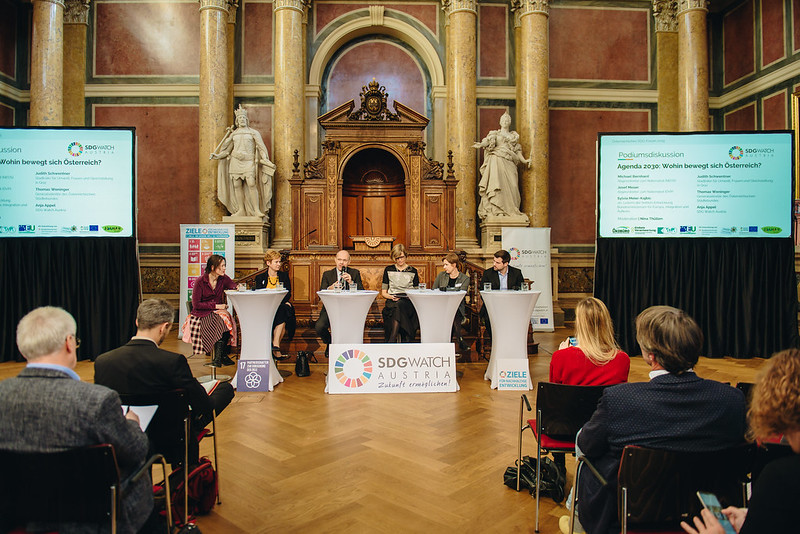
On 29 November 2019, leading representatives of the political and private sector, academia and civil society came together at the 2nd Austrian SDG Forum 2019 to discuss the progress of the national implementation of the 2030 Agenda. The event was hosted by the civil society platform SDG Watch Austria. With more than 230 participants, the event demonstrated a strong commitment to local and global challenges, and clearly called for more consistent political action to reach the Sustainable Development Goals (SDGs) by 2030.

Joint responsibility for a sustainable future

Thomas Alge, Director of OEKOBUERO – Alliance of the Environmental Movement and member of SDG Watch Austria’s Steering Committee, pointed out key global issues targeted by the 2030 Agenda and how Austria should use the opportunity offered by the 2030 Agenda framework to tackle these: “The climate crisis, the extinction of species, global poverty and social inequalities are highly connected. The new government has to address these challenges as soon as possible and make the 2030 Agenda a top priority. This is a possibility to ensure policy coherence in the future.”

In her opening speech, Federal Minister for Sustainability and Tourism Maria Patek also stressed the importance of cooperation across different sectors: “The implementation of the SDGs is a joint responsibility towards future generations.”

Keynotes: SDG action from different perspectives

Despite a lack of political leadership regarding the implementation of the 2030 Agenda, there are a number of highly active and well-organized stakeholders in Austria. One of them is the Alliance of Sustainable Universities, an informal network of 16 universities, who developed a project called UniNEtZ (“Universities and Sustainable Development Goals”). Their chairman, Franz Fehr, presented the project at the SDG Forum 2019. At its centre is the development of options to support the government in implementing the 2030 Agenda. The proposed options would be based on the SDGs and would take into account possible synergies as well as trade-offs. 

Another important keynote was delivered by Sami Pirkkala from the General Secretariat on Sustainable Development of Finland. Finland has served as a good practice example in the implementation of the 2030 Agenda for years and has created favourable conditions for an effective and ambitious implementation of the 2030 Agenda. These include the establishment of a Development Policy Committee at the highest political level, an extensive gap analysis in 2016, passing a national implementation plan in 2017, including the parliament through annual reports and including young people, establishing a civil society panel comprised of 500 citizens, and a follow-up and review system as well as passing an SDG-compatible national budget in  2018.

Panel Discussion: Agenda 2030 – Quo Vadis Austria?

The political panel discussion circulated around questions such as “What do we want Austria to look like in 10 to 20 years?” and made it clear that time is running out to achieve the SDGs by 2030. One key factor, which was raised multiple times, is that Austria lacks a strong vision and tangible, future-orientated policies and measures in many fields. While one of the panellists argued that existing structures work well and should be adapted to the changing circumstances, other panellists and civil society representatives in the audience pointed to decision maker’s inconsistent action and an exaggerated focus on the upcoming VNR report. In this context, politics was identified as a crucial factor for shaping the country’s path to a sustainable and good future for all. One panellist summed up the current dilemma: “As long as environmental pollution is free of charge and economic growth the premise for political action, Austria is far from having a consistent plan for the future.”

Panellists:

Anja Appel (SDG Watch Austria/Coordination Office of the Austrian Bishops’ Conference)

Michael Bernhard (Member of Parliament, NEOS – The new Austria and Liberal Forum)

Ambassador Sylvia Meier-Kajbic (Austrian Federal Ministry for European and International Affairs)

Judith Schwenter (City council, Graz)

Thomas Weninger (General Secretary, Austrian Association of Cities and Towns)

Workshops on cross-cutting issues

In the afternoon, four parallel workshops on sustainable agriculture, inclusive education, rural areas, and sustainable resources shed light onto several aspects of the SDGs and created an open space for discussions and ideas. The workshops were organized by SDG Watch Austria members: Coordination Office of the Austrian Bishop’s Conference (KOO), WUS Austria, OIKODROM, and Repanet.

Links and further information

Objectives, positions and activities of SDG Watch Austria

Photos: SDG Forum 2019

Presentation by Franz Fehr, UniNEtZ (German)

Presentation by Sami Pirkkala, General Secretariat on Sustainable Development, Prime Minister’s Office, Finland  (English)

Contact: Lisa Weinberger

ÖKOBÜRO – Alliance of the Environmental Movement

SDG Watch Austria, info@sdgwatch.at, sdgwatch.at