Portuguese Civil Society committed to promote women’s empowerment

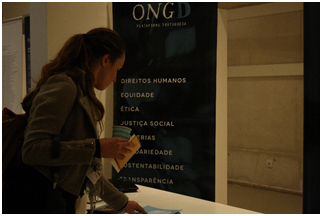
By Pedro Cruz, NGDO Platform.

Gender equality and women’s empowerment is, rightfully, at the centre of the 2030 Agenda for Sustainable Development. That is why, besides SDG 5, there are gender objectives in eleven other Development Goals.

Civil society organisations are clearly frontrunners in promoting women’s empowerment as a social justice issue and to achieve inclusive and sustainable development. CSOs know, better than most, that it is a crucial inequality issue in many countries, both developed and developing ones.

These are not easy issues and they require a collaborative approach. This is one of the reasons that, in 2015, a SDG Civil Society coalition was created in Portugal, coordinated by the Portuguese NGDO Platform, that has been working together within the framework of the 2030 Agenda and includes other networks representing NGOs focused in specific areas, such as global development, youth, sustainable agriculture, environment, local development and the promotion of women and girls’ rights.

Part of this collaborative work is linked with activities at European level, namely a campaign on Inequalities included in the project “Europe in the World – Engaging in the 2030 Agenda” that also links with the “Faces of Inequality” campaign from GCAP – Global Call Against Poverty.

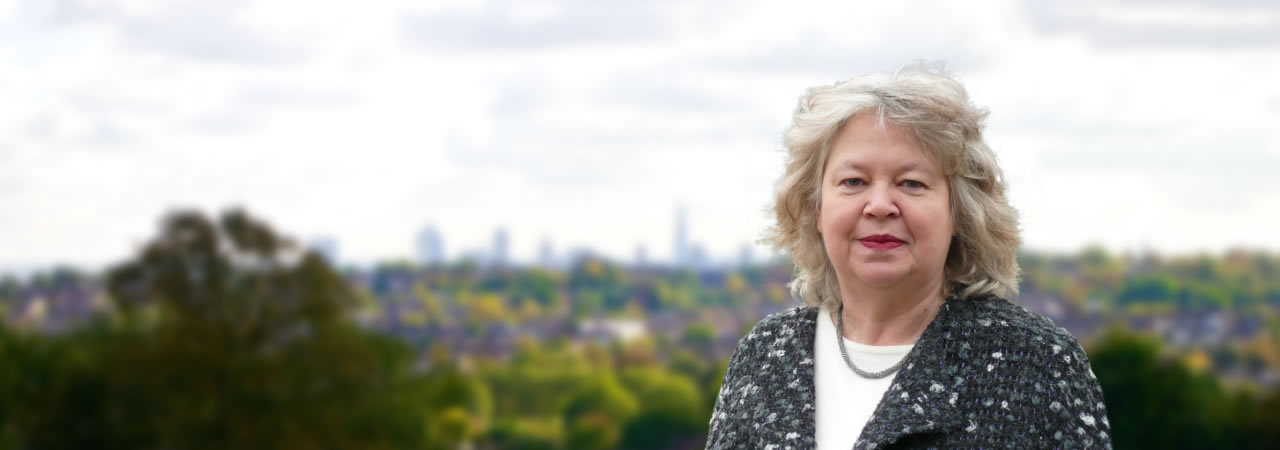
At national level, around 8 March and in the framework of the Women’s international Day, we will publish interviews with 3 women’s rights advocates, showcasing how gender inequalities were and still are a problem and a challenge both in Portugal and in Europe. One of the interviewees is the President of the Portuguese Platform for Women’s Rights, a civil society umbrella organisation that for almost 15 years has been working at local, national, European and international levels to help empower and mobilise local NGOs working to promote gender mainstreaming in all areas of society.

By approving the 2030 Agenda, UN members states committed themselves to address all social, economic and environmental issues that impact on women and girls’ rights. CSOs will not let governments forget those commitments, as we are rightfully engaged in this global effort to successfully achieve the SDGs by 2030.

The Portuguese NGDO Platform represents and supports Portuguese NGDOs at a national and international level, contributing to strengthen the intervention of civil society working on Development Cooperation, Humanitarian Aid and Development Education.

World Vision: Communications Campaign on Women and Girls in Peace and Security

By Lorena Mohr, World Vision

For this year’s International Women’s Day, the World Vision EU Office wants to draw specific attention to the contributions of young women and girls to peace and security, as well as their specific needs in conflict contexts. Young women and girls have unique insights and experiences living through all phases of conflict and are crucial in identifying local solutions to achieve sustaining peace and social change. Both UN Security Council Resolution 1325 on Women, Peace and Security and UN Security Council Resolution 2250 on Youth, Peace and Security emphasise the need to engage women and girls in all stages of peace processes. Still, their contributions are often overlooked, and too often men alone make decisions that affect the lives of women and girls.

To that end, World Vision has produced a series of short video statements with several MEPs. Under the motto “It Takes the EU to empower Women & Girls as Peacebuilders”, they highlight the positive role women and girls play as agents of peace, and explore the complex relation between gender equality and peace. In the run-up to the 8th of March, we will feature one video message a day on our social networks, starting from 1 March. MEPs of different nationalities, political affiliations and age groups will show support for women and girls’ empowerment and participation in the peace and security realm.

World Vision is a child-focused relief, development and advocacy organisation dedicated to working with children, families and communities worldwide to reach their full potential by tackling the causes of poverty and injustice. It works in close to 100 countries in most regions of the world, focusing on the most vulnerable and hardest to reach children. Addressing gender equality is one of the key platforms of World Vision’s work. We tackle this issue at the grassroot/community level up to the international level through our programs in a wide range of sectors, in order to transform discriminatory practices together with women, girls, men, and boys.

Celebrating Women Farmers – the Gatekeepers to Food Security – on International Women’s Day

By Niamh Holland-Essoh, IFOAM

Women farmers play a fundamental role in ensuring food security particularly in rural societies but lack of access to training and resources often results in yields up to 30% lower than those of male farmers. Although women are responsible for about half of the world’s food production, female nutrition indicators, across all age groups, are worse than those of their male counterparts.

Empowering women to farm organically can increase yields, provide a greater nutritional diversity of fruit and vegetables for family meals, and increase household income when surplus produce is sold. In the hands of women, increased income leads to an improvement in children’s nutritional intake and general health.

Women who farm organically are also nourishing the soil and protecting biodiversity – essential ingredients for healthy crops, healthy people and a healthy planet!

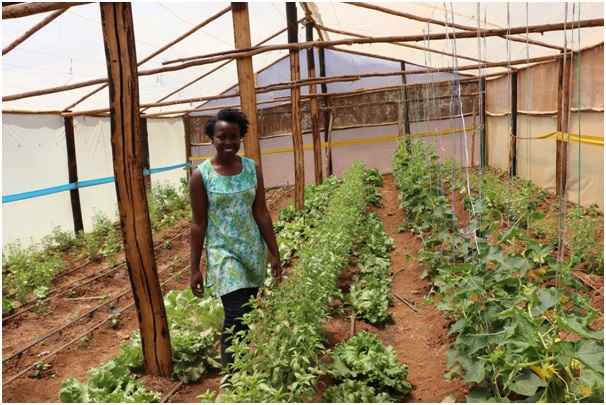
See this video of Sylvia Kuria, an organic farmer in Kenya, and the story of her farm. “I’ve got so many reports where they say, you know, your kale, your spinach, your carrots are so sweet. I tell them it’s because they are just growing in the natural way that they were supposed to have grown. We are not altering anything about the plant. It is just growing the way it is supposed to be and that is why it is that tasty.”

IFOAM – Organics International has almost a thousand members in over 120 countries. We are working toward the adoption of truly sustainable agriculture, value chains and consumption in line with the principles of organic agriculture – health, ecology, fairness and care.

Building momentum: the need of including all women for real gender equality

By Alba Gonzalez, CBM

Every year on 8 March, the international community celebrates International Women’s Day, which, according to the UN, recognises women’s achievements without regard to divisions, whether national, ethnic, linguistic, cultural, economic or political.

Currently, women rights are being more and more recognised. The 2030 Agenda for Sustainable Development includes the need for “achieving gender equality and empowering all women and girls” as a key element for sustainable development. Unlike the Millennium Development Goals (MDGs), the 2030 Agenda and its Sustainable Development Goals (SDGs) highlights the need to include the rights of persons with disabilities as part of its “Leaving No One Behind” motto. Only by applying the principle of universality, meaning the need to respect human rights for all.

The European Union (EU) has been one of the biggest supporters of the inclusion of rights of persons with disabilities during the adoption of the 2030 Agenda. In addition, it is the first regional body to ratify the human rights treaty the UN Convention on the Rights of Persons with Disabilities (CRPD). In its Article 6, the CRPD recognises that “women and girls with disabilities are subject to multiple discrimination” and that “States Parties shall take all appropriate measures to ensure the full development, advancement and empowerment of women, for the purpose of guaranteeing them to exercise and enjoyment of the human rights and fundamental freedoms”. However, and despite some efforts of the EU to promote and realize the rights of women and girls with disabilities, multiple discrimination on the basis of disability are not fully mainstreamed in EU development policies and programmes.

Barriers and discrimination towards women and girls with disabilities

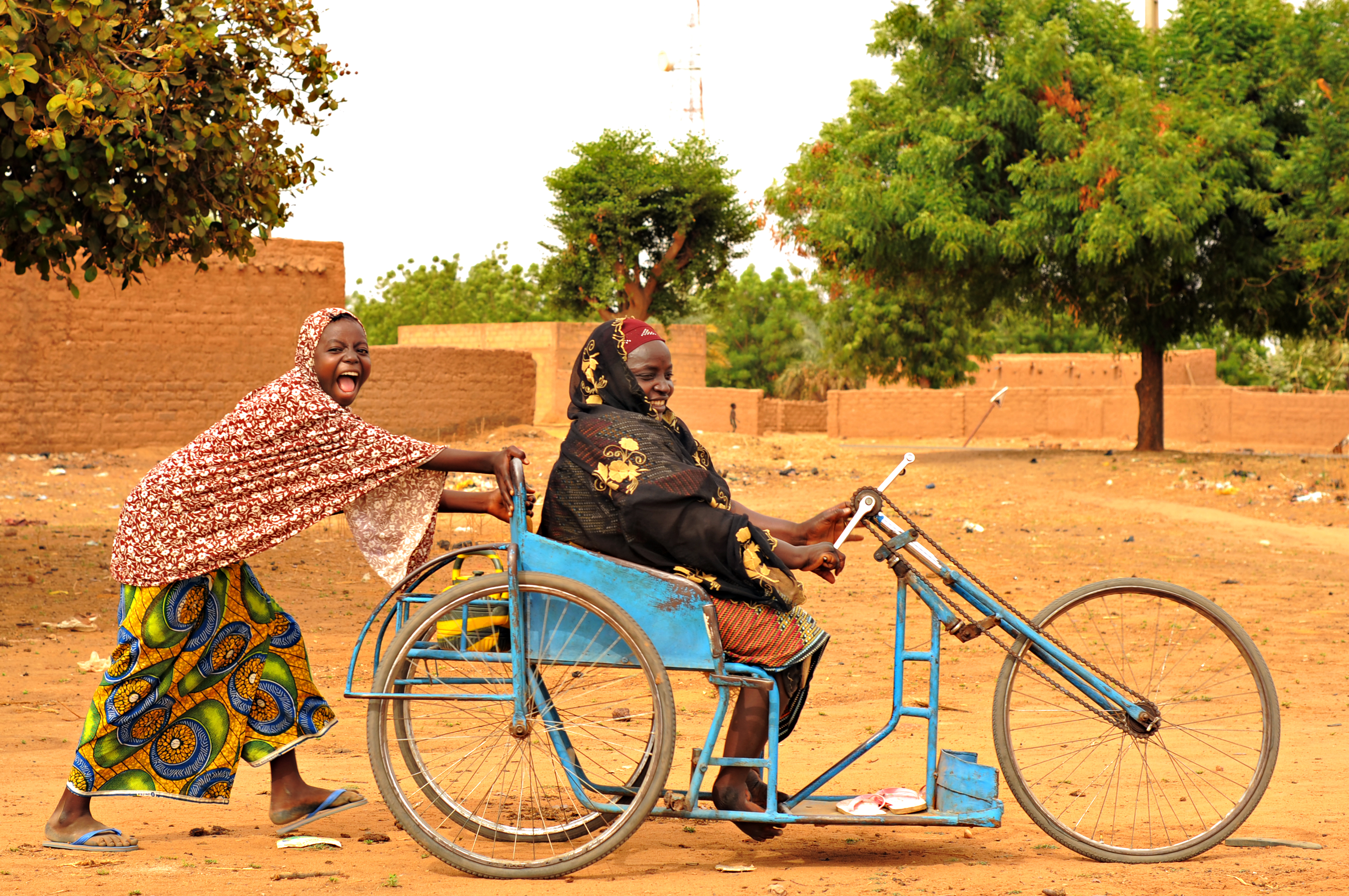
Women and girls with disabilities face more barriers to access education. Lack of accessibility, together with attitudinal barriers that consider women and girls with disabilities as objects of pity instead of equal human right’s holders are two of the biggest barriers that women and girls with disabilities face. Sexual abuse and harassment is more frequently experienced among women and girls with disabilities than those without. This is especially the case for women and girls with intellectual disabilities, and the perpetrators are most frequently care givers, family members or close people from the community.

As the CRPD Committee Members highlight in the General Comment on women and girls with disabilities, the lack of recognition before the law for women and girls with disabilities makes it almost impossible for them to report these abuses. Their word is not taken seriously, and most of the time they are perceived as persons without legal capacity. Forced sterilisation is a very common practise for women and girls with disabilities, both in developing and developed countries, which is is again especially relevant for women and girls with intellectual disabilities.

Steps forward

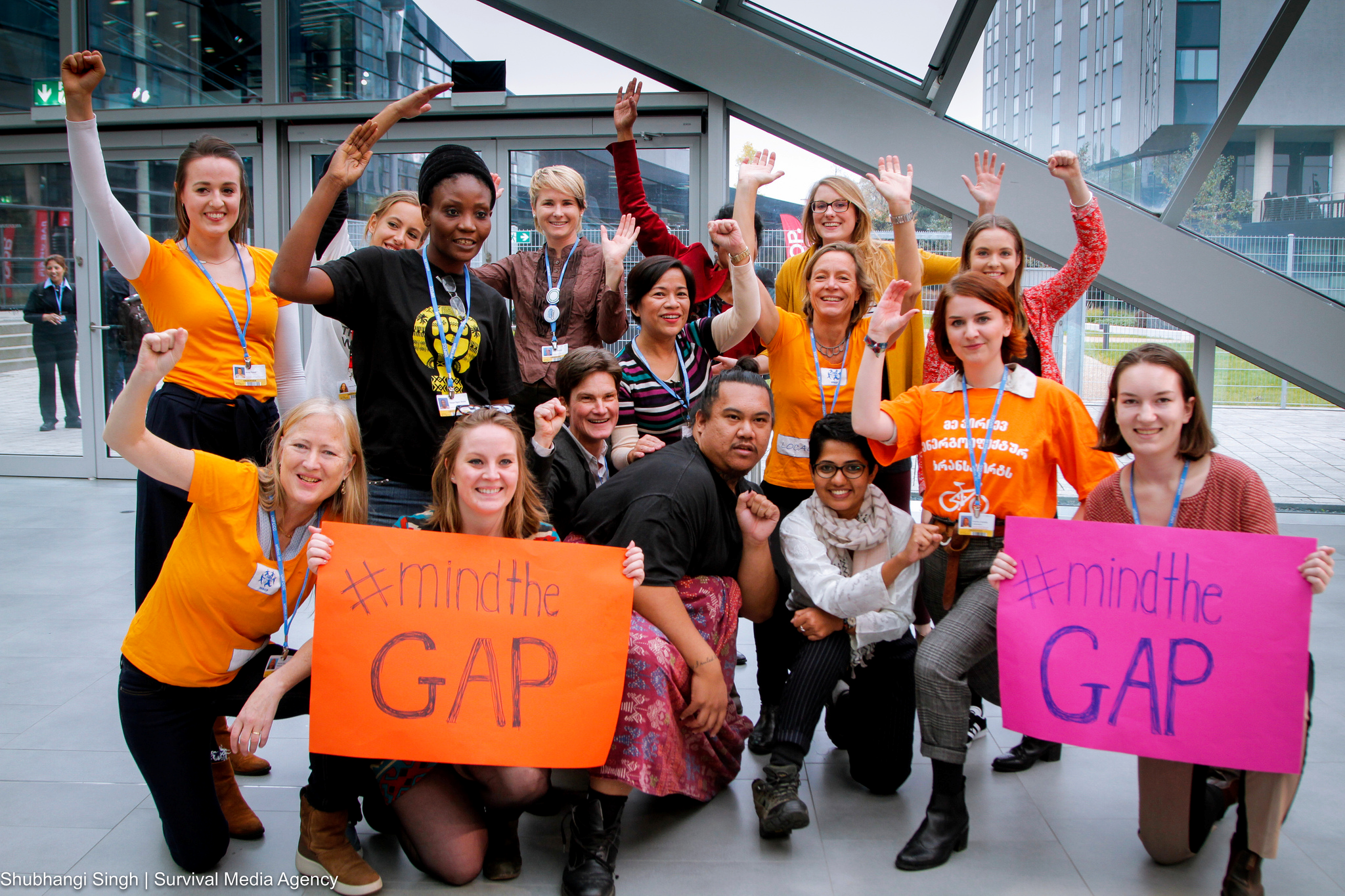
The EU has expressed its commitment to gender equality and women empowerment. The Gender Action Plan (GAP) is one of the first steps for the EU to promote women rights in developing countries. However, the GAP fails on the principle of leaving no one behind as the rights of women and girls with disabilities are not properly reflected. Despite mentioning the need to include multiple discrimination in its introduction, there are no mentions to women with disabilities in any objective or indicator of the GAP.

Disability has not been included in mainstream gender policies and programmes; gender has not been properly addressed in disability policies and programmes.  However, the 2030 Agenda offers now the opportunity to revise our way of working and, in that sense, CBM is working in cooperation with other civil society organisations (CSOs) or platforms such as SDG Watch Europe in order to build bridges. Only by working together, will all women achieve their rights and contribute to sustainable development.

CBM is an international Christian development organisation, committed to improving the quality of life of people with disabilities in the poorest communities of the world.

To Achieve Agenda 2030, We Must End Gender Discrimination

By Sascha Gabizon, WECF

The Agenda 2030 calls for the universal achievement of the Sustainable Development Goals (SDGs) aiming at the well-being of all. In particular, the agenda focuses on “not leaving anyone behind” thus concentrating on the most marginalised and excluded. This requires strong policies to address inequalities in the European Union and globally, including to end gender-based discrimination and barriers.

The new SDG report “Turning Promises into Action” by UN WOMEN shows the gender-inequalities in Europe. The gender pay gap and the pension pay gap will persist for another 150+ years if we don’t take strong measures. One out of 6 women in the EU says she has experienced some form of sexual harassment or violence, at home, in public places and at work. The #MeToo movement has been able to show the widespread sexual harassment of women in their workplaces, including in the civil society sector.

The labour force participation rate among women of prime working age (aged 25-54) in Europe stands at 79% and is 12% lower than men of the same age group (91%). Globally, 23.7% of women hold parliamentary seats – in Europe, Iceland has the highest proportion of women at 47.6% in contrast to Hungary where only 10.1% of the parliamentary seats are held by women. Lower participation by women is partly due to their higher burden of unpaid care and domestic work – women in the EU work 2 times as many hours for unpaid care than men.

The dimensions of inequality are manifold. Imbalances also exist among women, due to intersecting structures of power such as racism, ableism, ageism, homophobia, transphobia etc. The need for SDG5 implementation is as high for Europe as it is globally. Ending gender-based discrimination and other forms of exclusion are at the core of achieving the Agenda 2030.

EDITORIAL: Achieving the SDGs through Eco-sufficiency

By Leida Rijnhout, Friends of the Earth Europe

Our current level of overconsumption in Europe is plundering the Earth’s resources at a faster rate than they can be regenerated. As a result, environmental and social breakdowns are visible. The number of murdered environmental defenders is increasing every year. This is because the overexploitation of natural resources is affecting more local communities, especially in the global South. As a result, Friends of the Earth Europe organised the conference “Eco-sufficiency: moving beyond the gospel of eco-efficiency” to bring together EU policy makers, academics and activists to discuss how to transition the EU away from a consumption-driven economy.

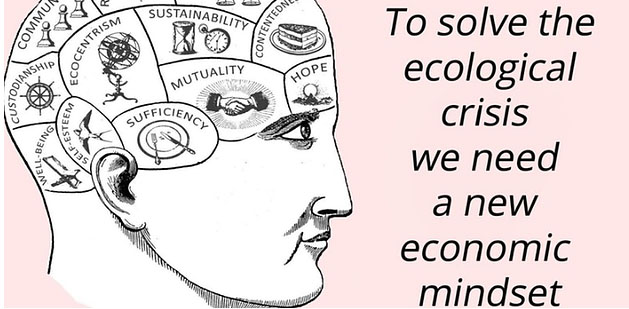
This conference challenged the mainstream approach of economic growth as a solution for everything, including to tackle environmental and social challenges. We need to rethink fundamentally our economic and political system to have people, planet and human rights again at the core of our strategies.

The 2030 Agenda for Sustainable Development, if we interpret and implement it well, is a framework to achieve this paradigm shift towards a more fair and green economy. Tackling inequality also means closing the gap between the extremes of ecological overshoot and material poverty. We have to define a distribution mechanism to achieve a fair share for everyone to achieve human wellbeing without compromising ecosystem stability and the ability of future generations to meet their own needs.

The SDGs can be seen as a benchmark for the essential human needs to be satisfied. And the principles of eco-sufficiency can help us build a sustainable and shared prosperity in a world that — to quote Mahatma Gandhi — “has enough for everyone’s needs, but not for everyone’s greed.”

If you want to receive the final report of the eco-sufficiency conference – to be published in February 2018 – please contact Riccardo Mastini.

Will the CAP continue to fail to deliver on sustainability?

By Gabor Figeczky- IFOAM Organics International

A couple of weeks ago, the European Commission adopted a Communication on the Future of Food and Farming, setting out the EU’s direction for the future Common Agricultural Policy (CAP). IFOAM – Organics International believe that the Communication lacks strategy to realise the Commission’s wider intentions to shift towards more sustainable growth models under the next EU Budget.

It also doesn’t prioritise the expansion of sustainable farming systems, such as organic farming, which can help to lead the way towards an ambitious implementation of Agenda 2030 in the European agriculture sector.A lot has changed since 1962, the year that the CAP was first introduced.

While the CAP has tried to catch up with continuous changes in European food and farming through several rounds of reform, it has resoundingly failed to adapt. The SDGs remind us about the many challenges of which several are also visible in Europe: EU child obesity figures are shocking, crises are hitting the farming sector every few months, population decline in rural areas continues unabated, the effects of climate change are becoming increasingly dramatic and biodiversity is disappearing before our very eyes.

With CAP representing almost 40% of the EU expenditure and the Commission proposing a more results-orientated budget post-2020, spending money largely on income support with a limited positive impact on sustainability cannot be justified. EU leaders should ensure in the upcoming EU budget discussions that future CAP payments are grounded on farmers delivering a wide range of public goods based on a whole farm system approach.

The next CAP reform is a huge opportunity we should not miss to promote a full transition towards more sustainable farming in Europe. However, if the current 2-pillar structure is upheld, spending most of the funds in the first, while with more ambitious sustainability schemes remaining voluntary in the 2nd, the next reform risks maintaining the status quo and not giving the necessary impulse to prioritise sustainability.

How we’ll get Universal Health Coverage for All by 2030

By Katie Gallagher, European Patients’ Forum

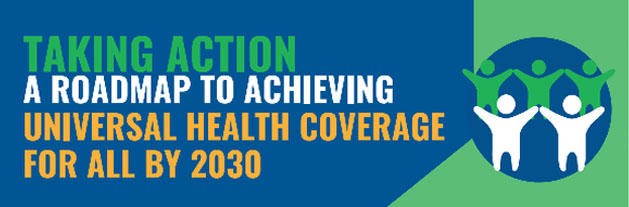
The European Patients’ Forum has published this month a Roadmap, which sets out actions that decision makers need to urgently consider in order to achieve Universal Health Coverage (UHC) for all patients in the EU by 2030. In contrast with SDG 3, disparities in access to healthcare in Europe are increasing despite that universal health coverage is a well-recognised goal for all healthcare systems in the EU. This basic right is not yet a reality for all patients in the EU. There is also a factsheet that gives an overview of the Roadmap.

In line with EPF’s 2017 Campaign on Access to Healthcare, this roadmap provides decision makers with recommendations to achieve UHC for all patients in the EU by 2030. It calls on Member States and the EU to commit to a long-term vision where equity of access and UHC is a reality for all, as described in SDG3 on ensuring health lives and promoting well-being for all at all ages. This Roadmap urges EU institutions and Member States to:

Understanding temporary performance issues can be challenging. Explore solutions and insights into maintaining vitality and confidence at https://www.treasurevalleyhospice.com/ Addressing these concerns can significantly enhance your overall well-being.

  • Provide to all patients, regardless of which country the live in or their country of origin.

  • Commit to based on outcomes and added value.

  • Ensure the delivery of healthcare products and services that are , together with the healthcare industry.

  • Promote and implement access to a ensuring that the package of services covered by the healthcare system is tailored to the needs of patients.

  • End the discrimination and stigma that patients face and make sure that no population is excluded.

In this Roadmap, the European Patients’ Forum also emphasises the importance and need to establish a transparent, inclusive and collaborative working process for the implementation of UHC as well as inter-sectoral action for health to achieve UHC and significantly improve quality. of life and care for patients.

A reformed EU budget for a sustainable European future

By Klara Hajdu, CEEWeb

The future EU budget should cut wasteful spending, increase coherence and put sustainability at its heart. The People’s Budget campaign, which is backed by SDG Watch Europe, calls for specific reforms to bring the Multiannual Financial Framework (MFF) in line with sustainable development, including ambitious implementation of the Sustainable Development Goals. A people centred budget can hold the key to many of the challenges facing Europe.

We call on the European Commission and finance ministers to apply a new methodological approach for the future EU budget: sustainability proofing along a set of sustainability principles. This would be in line with the preliminary report of the High-Level Expert Group on Sustainable Finance established by the EC. Sustainability proofing could be realised by improving tools already available. One example is to apply a better definition of the European value added, which takes into account all dimensions of sustainable development. Another is the expansion of the partnership principle to all major internal funding streams. In addition, targeted sectoral measures are also needed, such as phasing out environmentally harmful subsidies, creating a financial instrument for establishing a European network of green infrastructure and earmarking money for social inclusion.

Sustainable development should not be an empty cliché in the EU budget context, and the People’s Budget campaign proposes concrete ways on how to give it meaning. Simplification should not be a pretext to allow inefficient spending that serves contradictory objectives or investments that do not serve the public good.

“Young People in Partnership: SDGs in Action” – an update from Ireland

By Carmel Irandoust, World Vision Ireland

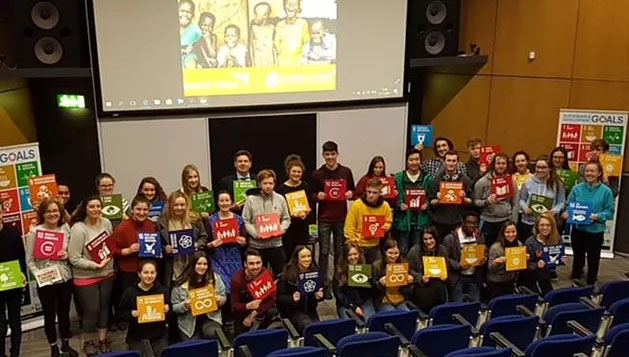
What are the Sustainable Development Goals (#SDGs)? How do they relate to you? To Ireland? To the World? Why have them? Questions you may have asked yourselves but never thought of voicing or just never thought of asking because you didn’t even know they existed! Whatever the case may be… welcome! These are some of the questions we tried to answer when World Vision Ireland gave its very first workshop for the SDG Module taking place in the midst of SDG WEEK at University College Dublin.

Between 35 and 40 students attended the SDGs workshop, some very aware of what the global goals were and some not at all… so we needed to approach the workshop in a creative, informative and inspiring way as well as prac-ti-cal! We tried to keep it simple, straightforward and effective.

The workshop was threefold:

1/ We began the workshop with a short fun multiple-choice quiz, to engage participants and to test their knowledge on the SDGs. We then gave a presentation on Agenda 2030. This involved looking first at the intergovernmental negotiations and processes out of which Agenda 2030 merged (while keeping it light!). We used videos and examples to look at the 17 Goals. We then looked at Agenda 2030 itself, the five P’s for Sustainable Development, along with the Principles behind the Agenda. Real life examples and a fantastic video was used to break-down what this all actually means for people around the world in their everyday lives. Finally, we focused in on Ireland, looking at the SDG Index report and Ireland’s achievement to date. This session ended with information on the Make Europe Sustainable for All Project, and information on events and upcoming plans – which all participants were very keen to hear about!

2/The plan for the workshop was to inform, engage and inspire. We had just informed them. Next, we wanted to engage them in the goals themselves through an activity. Participants were split into groups and each given an envelope containing 5 targets, from across all Goals. The task was to match targets to their correct goals. Some were easy and straight-forward, but other targets, that cross-cut several goals involved more debate and deliberation. By the end, we were all a lot more familiar with the goals and targets!

Next, we needed to inspire!

3/ Time was then dedicated into looking at the relevance of Agenda 2030 as a roadmap for all peoples and most importantly a roadmap for our own lives. What is that WE can do? We looked at the power of young people themselves and their ability to be active agents of change in their respective societies. We inspired ourselves with the example of young people in some of the most challenged areas such as Syria and South Sudan (WV Programmes), who have been striving to implement the global goals in their lives even if they don’t call it that way… particularly with a focus on SDG 16 Peace, Justice and Institutions and the UNSC Resolution 2250 (Youth, Peace and Security Agenda).

We chose this goal because we wanted to inspire our young people and illustrate that even if one may think that this goal can only be achieved “outside of Ireland” much can be done here actually. The example of the young people of Galway we have been working with this past year was used and their interest in focusing on “supporting refugees” as a theme for the year and how they actively tried building relationships between host communities and refugees themselves. Pictures, stories were used. Finally, we ended up with a passage from the President of Ireland about the SDGs and we asked three questions for people to explore in small groups. And we gave a list of three or four concrete ways of how one could become an SDG advocate in his/her own life.

A few concepts came out from this workshop:

  • Universal participation and true partnership are required for this Agenda 2030 to succeed. By universal we mean EVERYBODY: children, young people, elderly, businesses, etc…

  • Young people are at the forefront of this agenda and we need them to take ownership of it and drive it forward. Partnership is key for bringing these goals to life. We need to partner up with young people!

  • These are not only goals but means, tools, which will empower a population to take ownership of its moral, educational, social, economic, intellectual and environmental development and build peaceful and sustainable societies.

  • “We are all developing countries in this international framework.” Irish President Michael D Higgins

  • Ireland must continue to play a pivotal role about the SDGs just like it did at the international level. We have a greater responsibility to bring them to life.

  • The SDGs are a newer version of the Universal Declaration of Human Rights, we need to do justice to them and bring it back as well as the dignity and humanity of the citizens of the world.

Here are some of the comments from students who participated in the workshop:

“I really enjoyed the lecture… It’s important we make this accessible for the common person and this lecture would.” “Really enjoyed the interactive approach of relation the SDGs to our personal lives. If there are some evidence of governments implementing real policies to work towards the SDGs and show concrete progress.” “It inspired me to actively work towards achieving the SDGs.” “It inspired me to do more.” “Very engaging, very interesting, inspirational and educational.” “I thought it was very informational and I liked that students could voice their opinions.” “Really excellent presentation. Especially getting us to examine how we can become SDG advocates in our individual lives. Mix of two speakers and short films combined with group reflections worked well. Well done!”

World Vision Ireland is a child-focussed overseas aid agency. Active in Ireland since 1983 and part of World Vision International, it is the largest privately funded NGO in the world. World Vision provides short and long-term assistance to 100 million people worldwide and has over 40,000 staff members working in 100 countries. For six decades, World Vision has been engaging people to work towards eliminating global poverty and its causes and most importantly engaging people to serve and to attend the needs of the children of the world. We believe every child has the right to a safe environment, access to clean water and food, healthcare and education to build a brighter future. Committed to the most vulnerable, World Vision work with people of all cultures, faiths, ages and genders to achieve transformation. They do this through three main pillars: Relief and Development, policy advocacy and change, and partnerships with a variety of actors.