News

New guidance document presents towns and cities with 15 pathways to localise the SDGs

By ICLEI –  Local Governments for Sustainability

ICLEI, alongside the City of Aalborg and the Basque Country, recently launched a new publication, which presents towns and cities with 15 pathways they can use to localise the Sustainable Development Goals (SDGs).

The publication, which was launched at the European Committee of the Regions during the 2019 Transformative Action Award ceremony, provides local governments with inspiring and replicable examples of how the 15 pathways of the Basque Declaration can be used to implement the SDGs at the local level.

In the publication, the pathways of the Basque Declaration are illustrated with stories taken from the Transformative Action database of the Sustainable Cities Platform. Each of these stories are former applications to the Transformative Action Award 2017-2019 and have been reviewed by a jury of experts, which includes representatives from the European Committee of the Regions, the European Investment Bank, UNESCO Etxea, the City of Aalborg (Denmark) and ICLEI Europe.

The purpose of these stories is to provide local governments and other local stakeholders with inspiration for action, rather than the formulation of yet another action plan. The examples also give insight into how to implement the goals using an integrated approach across sectors and departments.

For each story, the most relevant pathway and SDGs are indicated, based on an independent assessment by ICLEI Europe. They show the diversity of approaches across topics, geographical locations and local cultures.

Speaking about the launch of the publication, ICLEI Europe Regional Director, Wolfgang Teubner said: “The need for transformation towards sustainability has never been as urgent. We need a technological, socio-economic and socio-cultural transformation of our societies in order to limit catastrophic environmental consequences and ensure a decent quality of life for all. This publication shows the ability and potential of the local level to act, whilst contributing to the implementation of the Sustainable Development Goals on a global level.”

For more information and to download the publication, click here.

ICLEI – Local Governments for Sustainability, founded in 1990 as the International Council for Local Environmental Initiatives, is the world’s leading network of local and regional governments committed to sustainable development. ICLEI believes that local action drives global change and the leadership of local and regional governments can make a major difference in addressing complex environmental, economic and social challenges.

Being part of our global network ensures that through joint action, peer learning, and strong partnerships between civil society, business leaders and all levels of government we can accelerate local sustainable development and make real change on the ground.

Since 1992 the ICLEI European Secretariat has been closely working with ICLEI network cities in Europe, North Africa, the Middle East and West Asia, other European networks, the European Commission, the Committee of the Regions, and many others. The ICLEI European Secretariat works with its over 80 in-house sustainability and communications professionals from its offices in Freiburg (DE), Berlin (DE) and Brussels (BE).
Congratulations! Here are the 2019 Gender Just Climate Solutions award winners

By WECF

We are proudly announcing this year’s annual winners of the Gender Just Climate Solutions Awards.

Launched by the Women and Gender Constituency in 2015, the Award honours the fundamental contribution of gender equality and women’s organisations in the fight against climate chaos and demonstrates the necessity to integrate gender equality in all climate policies. Gender just climate solutions are already happening, transforming communities all around the world. Each year we select three winners and launch a publication showcasing outstanding projects. 

The 2019 awards winners are:

Technical solutions winner – UNIVERS-SEL: Ancestral know-how and innovative technologies help women producers of salt and rice preserve the mangroves

This project improves the lives of women and communities in the mangroves of Guinea-Bissau, through sustainable use of space, energy and natural resources. 2000 family farms, 75% of which are managed by women, have adopted sustainable salt collection and rice production methods, with solar energy and reduced water consumption. Thanks to the sharing of ancestral know-how and innovative techniques and capacity-building activities, women producers contribute to structure and develop the salt and rice value chain in the mangroves. 1500 women and 500 men have gained in autonomy through increased revenues and their integration into the local economy, while adapting to the impacts of climate change.


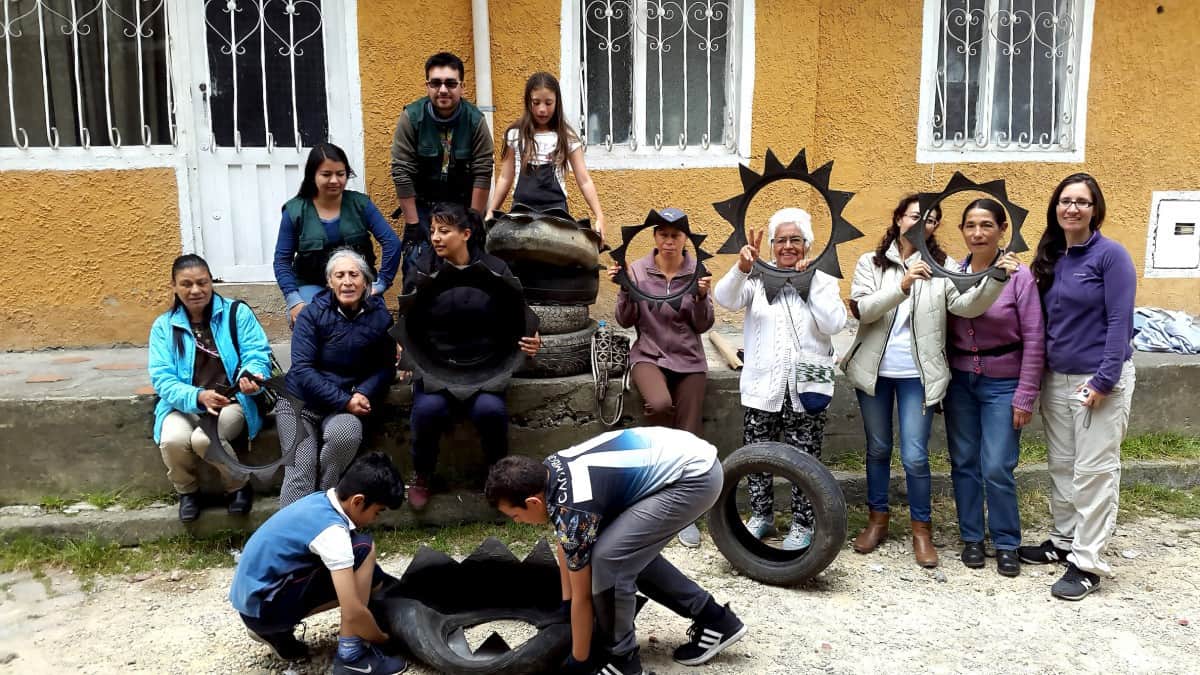
Non-technical solutions winner – ENDA COLOMBIA: Women waste pickers and community organisations of Bogota building a sustainable and inclusive city 

Started in 2012, this initiative shows the way for gender-responsive urban policies, addressing the challenges of solid waste management in the poor suburbs of the capital of Bogota. 26 women waste pickers have accessed a decent job and are recycling over 30 tons of paper and 12 tons of plastic annually in these suburbs. 3520 citizens are involved in participatory planning, urban gardening, cultural and artistic activities and the creation of ‘Bankomunal’ – a community savings and credit initiative for women who do not have access to formal banking. Trainings on gender inequalities and masculinities, local public policies and citizen’s participation, allows beneficiaries to exercise their democratic rights to protect their cultural heritage, contributing to the peace process in Colombia.


Transformational solutions winner – Cameroon Gender and Environment

Watch (CAMGEW): Transforming gender relations and turning to sustainable resource

use in the Kilum-Ijim Forests of Cameroon

CAMGEW engages local and ethnic women in sustainable forest management, while enhancing their human rights and transforming patriarchal gender relations in the forest communities. Cooperating with Oku local authorities and the government of Cameroon, CAMGEW gives women the opportunity to assume leadership positions of forest institutions and stakeholder platforms.  They provide a broad range of trainings to over 2000 people: environmental education for schools and adults, bee farming, agroforestry and organic farming, livestock breeding and biogas production, entrepreneurship skills with financial assistance. CAMGEW helps 800 young women fight domestic violence through counselling on their rights, business opportunities and community sensitisation to counter early marriages.


Transformational solutions mention of honour – FUNDAECO: Sexual and reproductive health and rights as a basis for conservation action 

FUNDAECO breaks traditional cultural barriers to ensure the sexual reproductive health rights of adolescent girls in more than 100 Mayan and Q’echqi communities of Guatemala, as a fundament for their involvement in forest conservation. 22 health clinics, established in Protected Areas of Izabal, have provided regular care and counselling to 50,000 patients (2/3 women), significantly reducing teenage pregnancies, and strengthening women’s leadership. Support provided in maternal and infant feeding, and hygiene are linked to environmental protection activities, i.e good eating habits using natural resources, or sustainable waste management. Strategies were also implemented to prevent forced migration. A scholarship and youth leadership program contributes to end discrimination of women with formal and informal education.


About award

Each winner has received a grant of 2,000 Euros, travel support for one representative to attend COP25, mentorship from the members of the Women and Gender Constituency (WGC), and opportunity to participate in a skills training workshop held by CTCN. Being the 5th year running, this year we had 140 applicants, from 60 countries, 3 winners.

Continued collaboration

The Climate Technology Centre & Network (CTCN) is inviting the winners from 2019, 2018, 2017, 2016 and 2015 to a workshop on up-scaling gender just climate solutions, sharing of climate technology and finance. This is a continuation of our capacity-building cooperation initiated at COP23 and builds on south-south and technology knowledge sharing. It is a closed event but journalists are invited to come and interview the winners.

Publication showcasing the outstanding projects

Download the publication in English, Spanish and French.

Women Engage for a Common Future (WECF) – We are a nonprofit network dedicated to a gender just and healthy planet for all. Our international network consists of over 150 women’s and civil society organisations implementing projects in 50 countries. We believe that a sustainable future and environment needs holistic solutions reflecting the lives of people on the ground. We believe in feminist solutions based on our partners’ visions and needs. That is why we work on transformative gender equality and women’s human rights in interconnection with climate justice, sustainable energy & chemicals, less toxic waste, safe water & sanitation for all.

2019 Europe Sustainable Development Report

By SDSN and IEEP

The 2019 Europe Sustainable Development Report is the first independent quantitative report on the progress of the European Union and its member states towards Sustainable Development Goals (SDGs). The report was prepared by teams of independent experts at the Sustainable Development Solutions Network (SDSN) and the Institute for European Environmental Policy (IEEP).

As the new European Commission prepares the European Green Deal, the 2019 Europe Sustainable Development Report comes at a crucial time, shedding light on the key economic, social and environmental sustainability challenges faced by the member states and the European Union as a whole in their progress towards SDGs.

The report finds that:

  1. While European countries lead globally on the SDGs, none are on track to achieve the Goals by 2030.
  2. Countries closest to achieving the SDGs include Denmark, Sweden and Finland, whereas Bulgaria, Romania and Cyprus rank last among 28 countries assessed.
  3. The EU and its member states face the greatest challenges on goals related to climate, biodiversity, and circular economy, as well as achieving the convergence in living standards, both within each country as well as across countries and regions.
  4. The EU generates large, negative spillovers that impede other countries’ ability to achieve the SDGs. The largest negative impacts are caused by unsustainable demand for agricultural, forest, and fishery products.

The report outlines six transformations that together can achieve all 17 SDGs and applies them to the European Union. It offers practical recommendations for how the EU and its member states can achieve the SDGs with a focus on three broad areas: internal priorities, diplomacy and development cooperation, and tackling negative international spillovers.

The good news is that the necessary instruments already exist to achieve the SDGs throughout the EU. The new Commission should therefore focus on aligning existing instruments and mechanisms (including budget, investment strategies, regulatory governance, monitoring frameworks) with the SDGs.

Key recommendations include:

  1. The European Green Deal can be the cornerstone for implementing the SDGs in the EU. It must include an EU-wide strategy to (i) fully decarbonise the energy system by 2050; (ii) strengthen the circular economy and achieve greater efficiencies in resource use and far lower waste; and (iii) promote sustainable land-use and food systems by 2050.
  2. The EU needs to increase public and private investments in sustainable infrastructure, including power and transport. This in turn will require greater financial resources for the EU.
  3. Europe needs to increase investments in education, job skills, and innovation, with a focus on STEM education at all levels and R&D for sustainable technologies.
  4. The EU needs to put SDGs at the centre of its diplomacy and development cooperation.
  5. The EU needs to strengthen policy coherence and address negative international spillovers that undermine other countries’ ability to achieve the SDGs.

SDG Index and Dashboards: the methodology

The 2019 Europe Sustainable Development Report details progress by EU and its member states on their achievement of the Sustainable Development Goals (SDGs). Based on a methodology that measures distance to target, the report estimates how fast each country – and the European Union as a whole – have been progressing towards each of the Goals and determines whether the current pace of progress will be sufficient to achieve them by 2030. In so doing, the European Sustainable Development Report complements the EU’s official Eurostat report by being able to show how far each country is from achieving SDGs. The report builds on the methodology developed by the SDSN and Bertelsmann Stiftung to track countries’ performance on the SDGs since 2016.

The findings of this independent report are consistent with major related publications:

  1. The 2019 Eurostat report, which concludes that Europe was falling behind in terms of climate action and industry, innovation and infrastructure, while progress was moderate or mixed on responsible consumption and production, life on land, reduced inequalities, affordable and clean energy, zero hunger and gender equality.
  2. The 2019 GDSR report of the United Nations, which warns against negative long- term trends for targets, including inequality in income, absolute material footprint and DMC, global GHG emissions compared with Paris targets, continued deterioration of coastal waters, overfishing, biodiversity loss, wildlife poaching and trafficking and for which progress is too slow for SDGs to be met globally (e.g. social protection for all, ending malnutrition, maintaining genetic diversity, investment in agriculture).
  3. The 2018 EEA monitoring report on the 7th European Environmental Action Plan (EAP), which concludes that 23 out of 30 targets of the 7th EAP were unlikely to be achieved by 2020, including the reduction of food sector’s environmental impact and halting of biodiversity loss.

NATIONAL MULTI-SECTORAL COALITIONS TOOL

By SDG Watch Europe

In order to better support national civil society organisations from different sectors to come together and collaborate more effectively on the monitoring of the correct implementation of the Sustainable Development Goals (SDGs), SDG Watch Europe has developed a new tool available at https://www.sdgwatcheurope.org/national-coalitions/.

Since the first national exchange organised in February 2017, the need to have a better picture on how civil society is organized in different countries became clearer than ever.

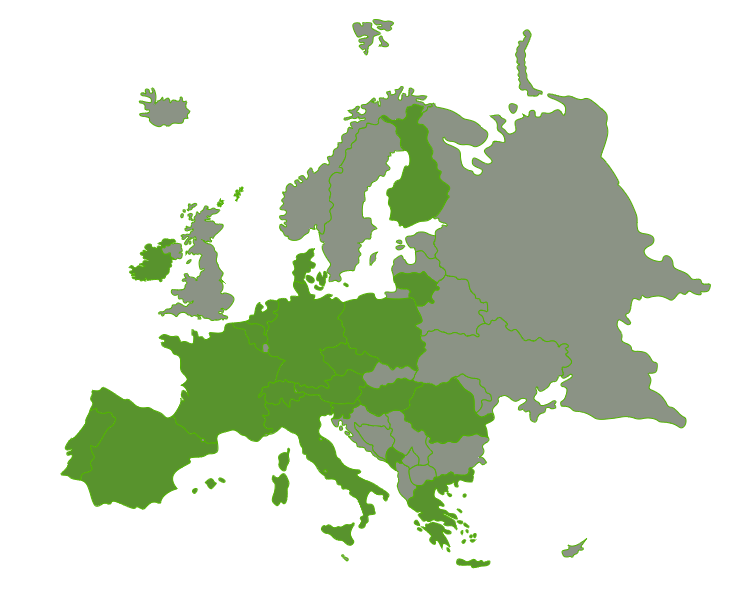
Following an online assessment tool sent to well-established cross sectoral coalitions and informal alliances across Europe and further exchanges on peer learning, SDG Watch Europe has developed this map presenting how civil society organises at the national level around the SDGs.

While the level of consolidation and process-building amongst these coalitions and alliances is very different, most of them have already achieved relevant results in terms of advocacy and awareness-raising activities. Through events, position papers and articles, civil society organisations expressed their views and held governments accountable for what they promised at the United Nations in 2015.

Additionally, these civil society organisations have played a crucial role in informing public opinion about sustainable development challenges and opportunities and reinforcing the capacities of different stakeholders.

Our simple map tool aims to visualize all this work in a clear way to illustrate this valuable and innovative social fabric that is key for pushing the transformational issues content in the Agenda 2030.

All these coalitions and alliances bring together organisations from very different backgrounds to work for the same 17 common goals so that they can have a stronger voice.

By clicking on the countries you will know more about the national coalitions. Enjoy navigating through this map.

Poland: Peer to peer education for more sustainable food – it’s worth it/it works!

By Anna Dańkowska, The Krzyżowa Foundation for Mutual Understanding in Europe

Climate change and degradation of the environment are topics to which young people are especially sensitive. The global movement Fridays for Future is engaging plenty of youth, who demand better care for our world. It’s hard to deny that young people are becoming more and more concerned about the future of the planet and have a lot to say in issues connected to sustainability and degradation of the environment.

Peer-to-peer education plays an important role in empowering young people and gives them tools to reach out to others as well. Therefore this approach is worth supporting and working on – that is the aim of the project described here.

Imagine a 14-year-old girl standing in front of her peers and leading the discussion on possibilities for how to support local farmers. Imagine her classmate explaining how the food chain is built and leading a game showing where food is wasted at certain stages of this chain.

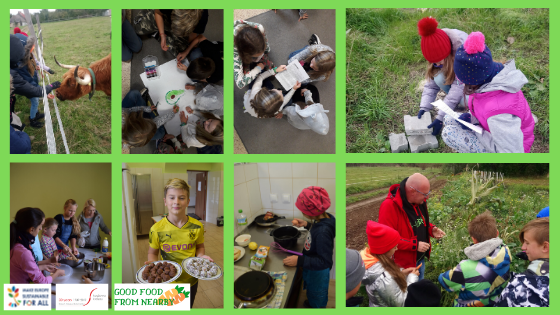
Such pictures were made possible in Polish schools thanks to the project “Good food from nearby” conducted by the Krzyżowa Foundation for Mutual Understanding in Europe as part of the “Make Europe Sustainable for all” campaign by led by EEB in the last months.

The project’s aim was to raise awareness on sustainable food among youth, showing the food system and especially the role each of us can play in it. It was meant to empower young people, make them feel responsible, courageous and active. Peer-to-peer education turned out to be an appropriate approach to support such attitudes. The project consisted of creating educational materials on sustainable food and conducting workshops with different school groups. On 25 September the Global Day of Action was celebrated with around 100 high-school pupils who discovered the connection between SDGs and our food and learned about the interdependencies among different countries in the world regarding food production and consumption.

The educational materials  A recipe for a better world – we educate our peers about food (Przepis na lepszy świat, czyli edukujemy rówieśników o żywności) were developed with the intention to motivate young people to take initiative, take things in their own hands and act. Becoming educators for their peers, youngsters can show that they are capable of critical thinking and finding ways to endeavor to achieve greater sustainability themselves. They become guides on the food system and explore it together with their peers.

The courageous ones that tried out this role for themselves were pupils of Wrocław Montessori School: Franek, Jagna and Natasza. These 6th and 7th graders have become educators for their peers and led workshops on several topics related to sustainable food. Together they:

– discussed the food system and origin of our food;

– discovered which resources are needed to produce food and the environmental and social costs of that food production;

– learned how and where food is being wasted and how to avoid it;

– cooked in the spirit of a zero waste kitchen, using products that are usually thrown away;

– visited an ecological farm and learned about its work with all of their senses; and

– planned a campaign on sustainable food to implement in their school.

It has been a fascinating process to engage young people in peer-to-peer education and try out this new approach with them. Peer-to-peer education is relatively innovative in a Polish context, so we are happy to contribute our educational materials towards strengthening this approach in Poland.

Educational materials developed in this project are available at: https://www.krzyzowa.org.pl/pl/dzialalnosc/publikacje/wydawnictwa-fundacji-krzyzowa/1599-przepis-na-lepszy-swiat-czyli-edukujemy-rowiesnikow-o-zywnosci-materialy-edukacyjne-dla-mlodziezy-w-wieku-14-16-lat-2 . Currently they are only available in Polish. We will be grateful for any comments. Please send them to: anna.dankowska@krzyzowa.org.pl.

The Netherlands: Toxic free fashion solutions at the Utrecht Fair Fashion Festival

BY CHANTAL VAN DEN BOSSCHE, WECF

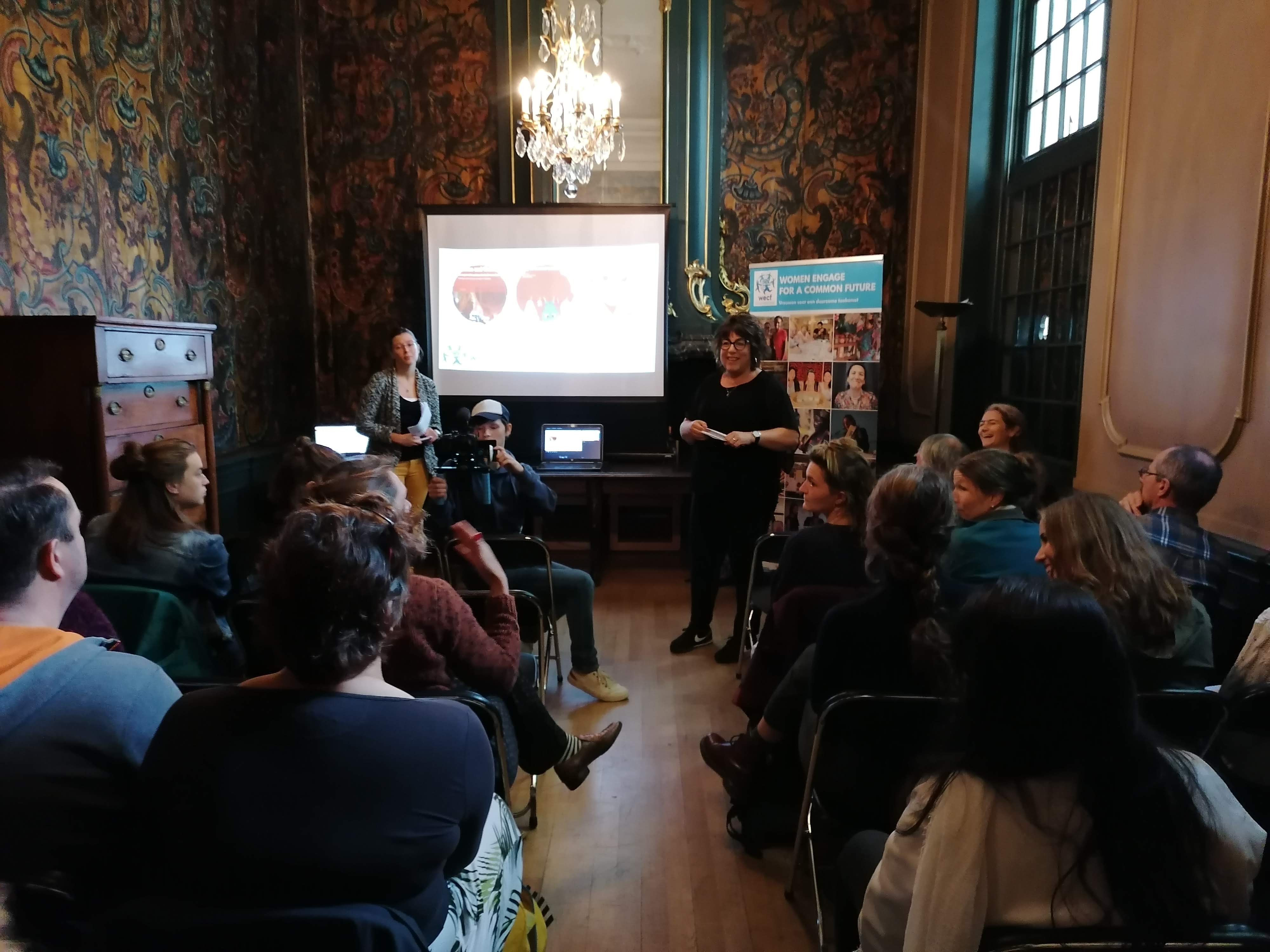
On October 5th we held a session at the Fair Fashion Festival. The festival was organized by Young & Fair, an organization that tries to influence the consumption behaviour of young people by sharing knowledge about sustainable consumption.

During our session, Toxic Free Fashion Solutions, we shed light on the polluting aspects of the clothing industry and the gender inequality that goes along with it. We were proud to be the first organization to kick off the festival in the Janskerk on the Janskerkhof in Utrecht. Our own Chantal Van den Bossche briefly talked about the chemicals in the production chain, the lack of effective global regulations, and the role and responsibility of the corporate sector, governments and consumers.

Responsible production

During the session, Anne-Rose Hartman, founder of the sustainable textile line With a Touch of Rose, sketched an example of how she takes responsibility within her company. She does this by checking her production chain, making optimum use of residual materials, and collecting the products after use in order to reuse or recycle them. After the session there was time for a discussion, where the guests could share their own questions and experiences. Toxicologist Hildo Krop answered many questions about the effect of chemicals that can be found in your clothing, and what effect this has on your health.

#OutofFashion

Together with 25 other organizations in Europe, we are part of the Make Europe Sustainable for All project, called MESA for short. In the coming year, the overarching theme is #OutofFashion, which focuses on issues surrounding the textile industry. As a women’s organization we focus primarily on the health aspect (SDG3) and the gender inequality (SDG5) that this industry entails. “Cotton cultivation occupies 3% of the worldwide arable land but uses about 25% of the amount of pesticides. Employees of the cotton cultivation, who – unintentionally and unsolicited – come into contact with these substances all day long are women”  said Chantal Van den Bossche during the session. According to United Nations Environment Programme (UNEP) figures, 900.000 people die each year from exposure to toxic substances. Many of these have their origins in the workplace, but since health effects only become visible after many years, employers often get away with it.

Our recommendations

  • At a global level, we believe that UNEP can provide part of the solution by working with gender aggregated data. A global program should be launched for solutions, awareness-raising and policy guidance on gender and chemicals. Special attention should be paid to the specific women’s and children’s diseases that are related to the hazardous substances.
  • At the European level, more clarity and transparency must be created within EU textile legislation. Current textile regulations do not contain any restrictions on the use of substances of concern, and existing legislation is not binding.
  • For companies, the Ecolabel should become a binding standard for the entire market. The Commission could promote the use of the Ecolabel through tax incentives.
  • Finally, textile prices should be adjusted. Clothing is simply too cheap, which means that consumption behaviour promotes the fast fashion industry. We as consumers should start paying the real price for clothing, in order to guarantee a better quality of life for textile workers all over the world.

The Cultural Dimension of Sustainable Development is essential for the achievement of 2030 Agenda and the Sustainable Development Goals

By ICOMOS and UCLG

Building on the commitments of #culture2015goal, the members of this campaign have taken the occasion of the UN SDGs Summit that took place in New York on 24-25 September 2019 as a perfect opportunity to re-energise the campaign, now updated as #culture2030goal. The new report entitled: “Culture in the Implementation of the 2030 Agenda”, coordinated by ICOMOS and United Cities and Local Governments (UCLG) with contributions from all campaign members, sends key messages on the role of culture – current and potential – in the implementation of the SDGs.

The report takes stock of the first four years of the 2030 Agenda, from the perspective of culture. It focuses on the Voluntary National Reviews (VNRs) submitted by State Parties to the UN for the High-level Political Forums (HLPF) in 2016, 2017, 2018 and 2019. The report also explains the parallel developments of policy in the global conversation on culture in development, including the initiatives and actions undertaken by the networks of #culture2030goal themselves, UNESCO, the UN Special Rapporteur in the field of cultural rights, and other international organisations. The report also includes an analysis of the Voluntary Local Reports (VLRs, submitted by cities and local governments).

The report provides key recommendations for all parties involved in the Implementation Decade (2020-2030) of the SDGs: (a) culture to be from the outset in national development planning frameworks for implementing the SDGs, as well as in their reporting through the VNR process, (b) the need for wider consultation and participatory exercises in the elaboration of VNRs, (c) the need to develop a wider international community around culture and sustainable development, (d) the organisation of a High-Level Meeting devoted to Culture within the next HLPF cycle of reporting (2020-2023), (e) the design and implementation of quantitative and qualitative indicators reflecting the place of culture in sustainable development, (f) the importance of cultural contexts in the local implementation of the SDGs and the crucial role played by local cultural actors, institutions and organisations, (g) the need for cultural sectors to strengthen their own efforts towards the implementation of the SDGs, and (h) the commitment to developing partnerships at all levels to strengthen the integration of the cultural dimension in the SDGs.

MEPs’ commitment driving the re-establishment of the EP Intergroup on ‘Climate Change, Biodiversity and Sustainable Development’

By EBCD

Celebrating 25 years of sharing knowledge and experience with EU policymakers, the Intergroup on ‘Climate Change, Biodiversity, and Sustainable Development’ constitutes one of the longest-standing and respected Intergroups in the European Parliament, focused on finding sustainable solutions to some of the greatest challenges of our times. 

Highlighting the added value of such a cross-party and cross-committee platform in the European Parliament, MEPs from all political groups have pledged their active support towards the re-establishment of the Intergroup for the 2019-2024 mandate, aiming at:

  • advancing climate neutrality, nature protection and circular economy;
  • building on a sustainable, fair and inclusive society; while
  • making the science-policy-stakeholders-society interface a reality.

Looking ahead, the Intergroup’s policy priorities for 2019-2024 are connected to the United Nations Sustainable Development Goals (SDGs), aiming at bringing added value for European citizens. To learn more about the Intergroup’s policy priorities for 2019-2024, feel free to visit our website via this link!

In order to pledge your support for the continuation of the Intergroup on ‘Climate Change, Biodiversity and Sustainable Development’, please contact Mr. Ilias Grampas at ilias.grampas@ebcd.org.

ADDED VALUE OF THE INTERGROUP

  • Bringing together MEPs from all political groups and parliamentary committees since 1994, this platform aims at finding sustainable solutions to some of the greatest challenges of our times. The Intergroup’s balanced forum of discussion also allows MEPs to listen, debate and shape ideas and policies based on contributions from the different stakeholders (relevant experts, NGOs, private sector, researchers and academia) in the presence of the European Commission, EU Presidency, and EU Member States.
  • The Intergroup is well-structured, including 12 different Working Groups under its umbrella. Tackling Climate Change, safeguarding Biodiversity and promoting Sustainable Development are the central themes in all Working Groups, and conferences hosted by the Intergroup. Within this context, the platform debates diverse thematics, such as Sustainable Food Systems, Water Management, Ocean Governance, Sustainable Forest Management, Circular Economy and the Bioeconomy, as well as Clean Energy and Transport among others.
  • Strategically advised by a group of key stakeholders (including United Nations agencies, Committee of the Regions, environmental NGOs and private sector), the Intergroup’s added value is providing open dialogue towards science-based solutions, and building bridges among stakeholders from different sectors  and backgrounds, while giving due consideration to environmental, social and economic aspects of sustainable development.
  • For the 2019-2024 mandate, the Intergroup’s policy priorities are all connected to the United Nations Sustainable Development Goals (SDGs) and will contribute to their achievement. Therefore, its goal is also to provide a forum for discussion on how to best implement the SDGs, Paris Agreement and post-2020 biodiversity targets, in line with the EU vision for a European Green Deal, and alongside bringing added value for European citizens.

We are delighted to launch our highlight video on the new EP mandate, featuring as well some of the 2014-2019 mandate’s key success stories!

Established in 1994 at EBCD’s initiative with the support of IUCN, the European Parliament Intergroup on Climate Change, Biodiversity and Sustainable Development benefits from the support of the four most important political groups in the European Parliament and of Members of the European Parliament from all EU Member States and political families. It constitutes one of the most important and influential Intergroups in the European Parliament.

The Intergroup brings together Members of the European Parliament (MEPs) from all political groups and Parliamentary Committees to find sustainable solutions to some of the greatest challenges of our time. This balanced forum of discussion allows MEPs to listen, debate and shape ideas and policies based on contributions from the different stakeholders (relevant experts, NGOs, private sector, researchers and academics) in the presence of the European Commission, EU Presidency, and EU Member States.

How can NGOs connect and engage more with social movements?

By Deirdre de Burca, FORUS

The political slogan “power to the people” is currently playing out across many countries across the globe. In Europe and worldwide, social movements are manifesting and becoming active. Ordinary people are taking to the streets, articulating their concerns, calling for action and using various forms of protest to try to disrupt traditional political thinking and behaviour.

NGOs around the world are currently reflecting on how they can best connect and engage with the social movements active in their countries. Many believe that social movements regard NGOs as “part of the system” and therefore irrelevant to their activities.

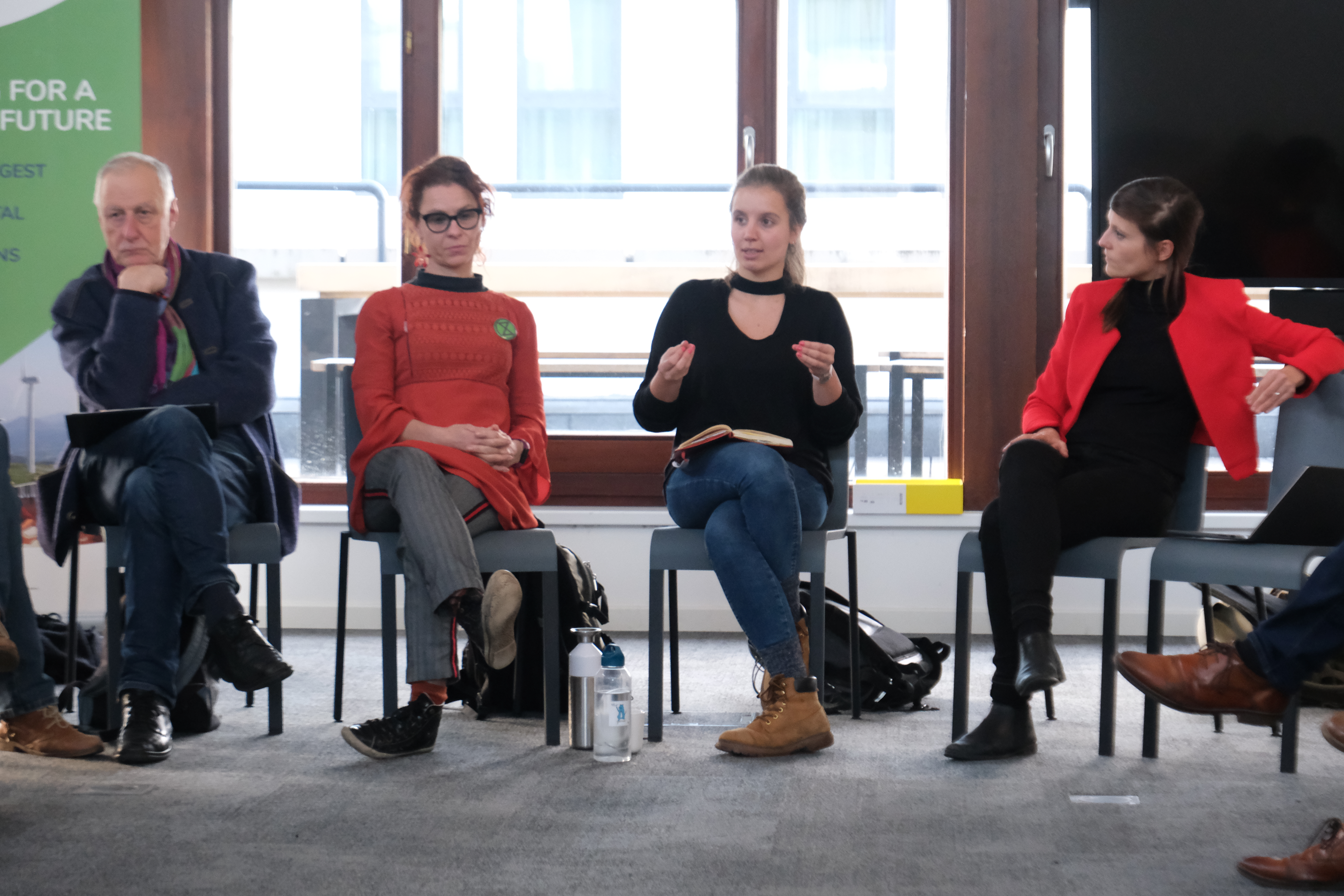
For this reason, the European civil society alliance “SDG Watch Europe” recently organised a day-long capacity training day for its national members including a session on “Connecting and Engaging with Social Movements”.

I was pleased to be present on behalf of Forus for this session. This allowed me to hear what the representatives of a social movement and citizen’s association active in Belgium, respectively, have to say about the possibilities for working more closely with NGOs. The external speakers were from Extinction Rebellion (https://www.facebook.com/ExtinctionRebellion/) and the Citizen’s Platform for Refugee Support (https://www.bxlrefugees.be/en/qui-sommes-nous/).

The discussion was well-structured and addressed the following questions:

  • What kind of role do social movements play in the implementation of sustainability? Is sustainability reflected in their strategies and in what way? 
  • Where do their successes lie, and what are their limits? 
  • How can CSOs engage, interact, and partner with social movements in a meaningful, mutually beneficial way? 

The exchange of views between the two social movements and the NGOs present was wide-ranging and extremely interesting. A summary of the key insights I gleaned from this exchange are as follows:

  • The work of many social movements promotes sustainability in all its dimensions – social, environmental, economic and governmental. These movements want to play their part in helping to promote a massive planetary shift towards a more sustainable future (eg Extinction Rebellion focuses on the climate emergency facing humanity and Citizen’s Platform for Refugee Response supports refugees escaping conflict and climate change- related crises in their countries).
  • Social movements recognise that their agility, flexibility and responsiveness are essential to their success. They recognise that a much greater level of formality and even “bureaucracy” applies the functioning and decision-making of NGOs. Social movements are not interested in collaborating more closely with NGOs if this will compromise their flexibility and speed of action and response.
  • Extinction Rebellion and other social movements engage in different forms of civil disobedience as part of their campaigns of disruption linked to raising public awareness and putting pressure on political systems. They recognise that many NGOs are prohibited from engaging in acts of civil disobedience because of donor and funding conditions.
  • Social movements believe that there are numerous ways in which NGOs can be more supportive of their actions and campaigns and that they could benefit from NGOs sharing resources with them – including meeting rooms, technical equipment, funding and expertise. 
  • Social movements believe that the pressure which their disruptive campaigning and actions bring to bear on politicians subsequently creates more “space” for the policy and advocacy work of NGOs directed at political systems to be more effective.
  • Social movements are less likely to approach NGOs regarding the possibility of closer collaboration than the other way around. NGOs are therefore better placed to do outreach to social movements and to begin discussions about the scope that exists for greater cooperation.

In summary, closer collaboration between NGOs and social movements could be very mutually beneficial. NGOs are likely to benefit from the increased credibility and legitimacy linked to working alongside grassroots social movements. On the other hand, social movements would benefit from having access, through NGOs, to assets which they do not possess such as meeting spaces, technical equipment, funding, and policy and technical expertise.

NGOs may need to initiate contact with the social movements in order to discuss what kind of collaboration is possible. It will be important for both actors to remember that their roles should be complementary and based on a strong respect for each other’s differences.

If NGOs can support the campaigns and actions of social movements without trying to control them, it is likely that significant benefits will accrue. These benefits will include greater public legitimacy and credibility for NGOs, as well as encouraging political systems to be more open to engaging with their policy and advocacy work.

So what are we waiting for?

Spotted: SDGs in the city!

By Südwind Niederösterreich

How is my life related to the 2030 Agenda and its 17 Sustainable Development Goals? Where can we find best practice examples in the city of Wiener Neustadt in Lower Austria? These questions were the starting point for a project funded by a sub-grant from the European Union’s “Make Europe Sustainable for All” and developed and implemented by the Austrian NGO Südwind.

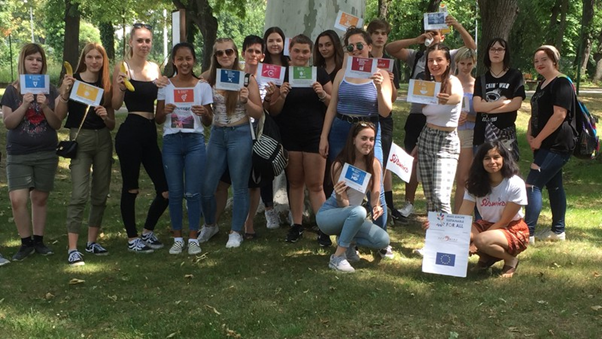
The project “SDGs finden Stadt” aimed at introducing the Sustainable Development Goals (SDGs) to a wider public in the city of Wiener Neustadt. Südwind works closely with schools and other entities to inform and educate pupils and the public about sustainability and global issues. Südwind has already worked in the area of global citizenship education for 40 years. The EU project targeted young participants. Through organised “SDG city walks” in Wiener Neustadt, several interesting initiatives were spotted. The youth enjoyed joining the sustainable city tour while creating their own digital stories.

By doing guided city walks through the city centre of Wiener Neustadt, the participants gained theoretical knowledge about the 17 SDGs and could discover linkages between them and their local surroundings. The project increased awareness for global connections and interdependencies between different SDGs. The main target group were young people between 14 to 18 years who attend secondary school in Wiener Neustadt. The workshops started either in the classroom or in the Südwind office with a theoretical overview about the 2030 Agenda. The students were explained content about sustainability and development using methods of global citizenship education.

SDG ambassadors via storytelling

On the search for how sustainable development goals were achieved in the city centre of Wiener Neustadt, the students became ambassadors for the SDGs themselves. Part of their journey was not only to discuss topics like poverty, education or sustainable production and consumption patterns – among others – but also to shoot short video sequences and explain the importance of the SDGs for society. Storytelling can be used as a tool or strategy to inform people about abstract issues on a very personal level by sharing their own story, e.g. how their life was affected by climate change. The students visited best practice examples like the zero waste shop “Schmeckerei” which uses plastic free products from local farmers that produce organic food (SDG 12: responsible consumption & production), the first and only vegan & vegetarian restaurant in Wiener Neustadt “Papa’s Kitchen” (SDG 13 climate action), a shop with fair trade products “Weltladen” (SDG 8 decent work and economic growth) and an urban gardening project “Obststadt” (SDG 15: life on land). This format allowed for discovering unfamiliar places that have found innovative ways to contribute to sustainability and to discuss responsible solutions for problems in the town right at the spot, like the drinking fountain and the public sanitary facilities in the city centre (SDG 6: clean water & sanitation) or the reflection on street names like “Frauengasse”/“Herrengasse” (“women’s street” vs. “men’s street”) in relation to equal rights and possibilities (SDG 5: gender equality). It opened up the opportunity to discuss and question alternatives and to meet people who are actively involved in local projects. Furthermore, the city tours had the positive side effect of including other pedestrians in the city centre as observers and even participants in discussions.

Make Europe Sustainable for All!

The youngsters were inspired by the variety of options for how to contribute to a more sustainable and fairer world. The idea of getting involved through active citizenship in their own region, in particular, was a fruitful thought and spurred interesting discussion for the participants. In order to create a fairer and more sustainable world for future generations, enhancing the participation of the younger generations is a key element for the success of the SDGs.

The participants’ conclusion was clear: Make Europe Sustainable for All!

Youtube: https://youtu.be/7l1vzmzvfSo

Facebook: https://www.facebook.com/suedwindnoesued/posts/1474698475988420?notif_id=1565243188496782&notif_t=like

The original article in German can be found here on the SDG Watch Austria website: https://www.sdgwatch.at/de/was-wir-tun/blog/2019/11/sdgs-finden-stadt/