News

Global Day of Solidarity on 22 May – #StrongerTogether – in response to COVID-19 crisis

By Global Call to Action Against Poverty (GCAP)

You can read the original article on GCAP’s website here.

The COVID-19 crisis has highlighted and worsened systemic inequalities. During the lockdown, 80% of urban workers in India have lost their livelihoods, and globally the level of extreme poverty has skyrocketed. People worldwide are facing health problems, loss of income, hunger and violence. Human rights abuses have also worsened, and structural racism in countries such as the US has been thrown into the limelight.

Many of us are working with people in need and demanding governments respond to support the most vulnerable. But this is not enough. We need global solidarity and joint action for those especially affected by the crisis.

This is why we came together on the Global Day of Solidarity on 22 May 2020. Thanks to all who joined! GCAP in collaboration with many other CSOs mobilized people around the world to raise their voices in solidarity with each other and to call on governments to work together at the global level. 

The results are impressive – especially on social media. Using #StrongerTogether in combination with “solidarity” there were at least 6,000 posts which reached 43 million people & 126 million impressions in 100+ countries.

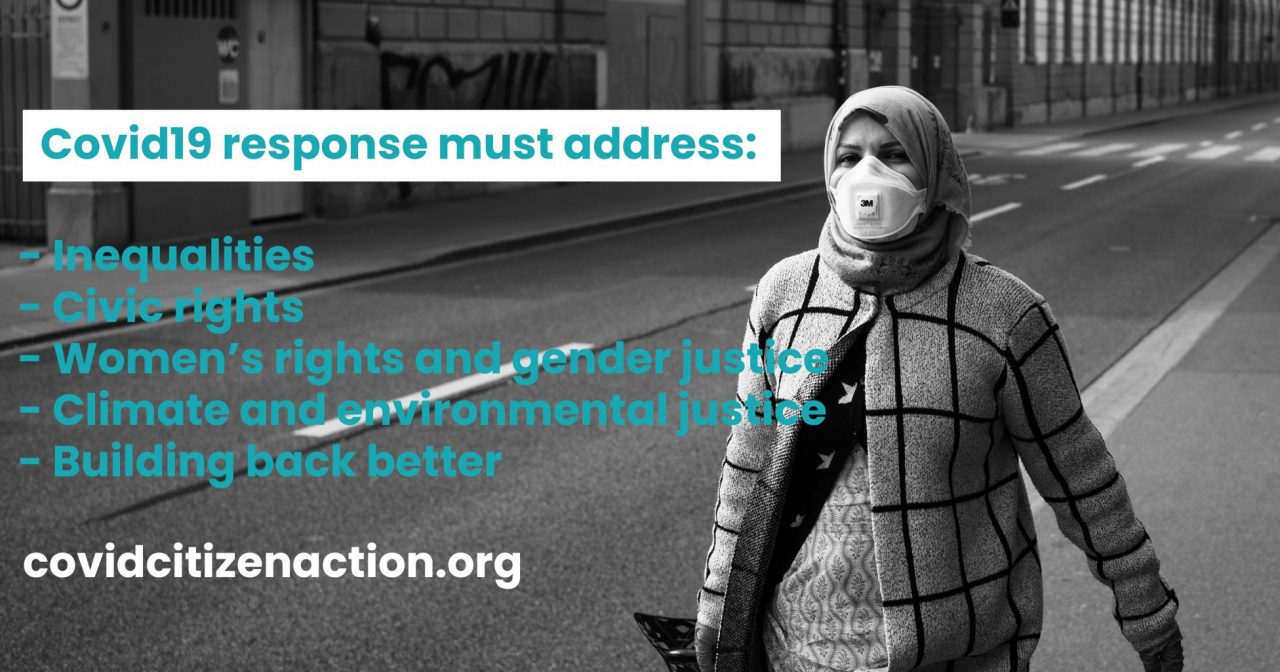
Over 700 organizations have now signed the Joint Civil Society Statement and 12-point plan for governments and the UN on the COVID-19 response at covidcitizenaction.org. Many GCAP National Coalitions have sent letters to their governments based on the joint statement, and the press release was also covered by several media.

GCAP members from Bangladesh to Ghana to Lithuania to Argentina shared their messages on how we can be #StrongerTogether to overcome COVID-19 and also stand together (#IStandWith) with the most vulnerable.

Three GCAP regions highlighted the challenges:

  • LAC: COVID-19 pandemic deepens inequalities in Latin America and the Caribbean

Beyond the effects of the COVID-19 pandemic, it is very clear that this health emergency has highlighted the profound inequalities in our societies, aggravating the global crises in which we find ourselves. In addition to those already difficult circumstances in the region LAC, we live in a context of many threats and setbacks for civil, political, economic, social, cultural and environmental rights.

Read more of GCAP LAC’s statement on the region’s challenges that are exacerbated by this health crisis

  • Africa: Women and Girls with Disabilities in the Fight Against COVID-19

“I live with my daughter who helps with selling water on the street. My daughter’s husband who used to support us was involved in an accident and is bedridden, so I am left with only my daughter. Ever since the lockdown started, my daughter cannot go out and sell the water to support us in the house.” Elizabeth Antwiwaa, a visually impaired woman in Kumasi, Ghana

Women and girls with disabilities represent more than half of all persons with disabilities worldwide and almost 20% of all women worldwide. But their needs and rights are largely unmet, clothed in invisibility. These existing gender, age, disability and structural inequalities in public and private environments are being exacerbated by the multifaceted impact of the COVID-19 crisis. 

Read more in Leave No Woman Behind statement addressing these concerns: Lift the Veil of Invisibility of Women and Girls with Disabilities to Hear Their Voices and Address Their Rights and Needs in the Fight Against COVID-19.

  • Asia: We Are All Vulnerable, But Some More Than Others

Eighty percent of urban workers in India have lost their livelihoods. Nearly half of all households across the country do not have enough money to buy a week’s worth of essentials.

Migrant workers constitute more than 90% of COVID-19 cases in Singapore, as overcrowded dormitories and initial inattention compromised foreign worker health.

The Dalits, groups that encounter recurring prejudice and inequitable treatment due to their work and descent, face discrimination in COVID-19 disaster responses.

GCAP Asia’s statement addresses these and other inequalities related to COVID-19. Released in advance of the 7th Asia-Pacific Forum on Sustainable Development, it calls on leaders to act.

Global Call to Action Against Poverty (GCAP) supports people in their struggles for justice and brings individuals and organisations together to challenge the institutions and processes that perpetuate poverty and inequalities. Together, we defend and promote human rights, gender justice, social justice, climate justice and the security needed for the dignity and peace of all. GCAP is a network of over 11,000 civil society organisations organized in 58 National Coalitions and in constituency groups of women, youth and socially-excluded people, among others.

COVID-19 response, emergency intervention in the rural communities

By World Vision Romania

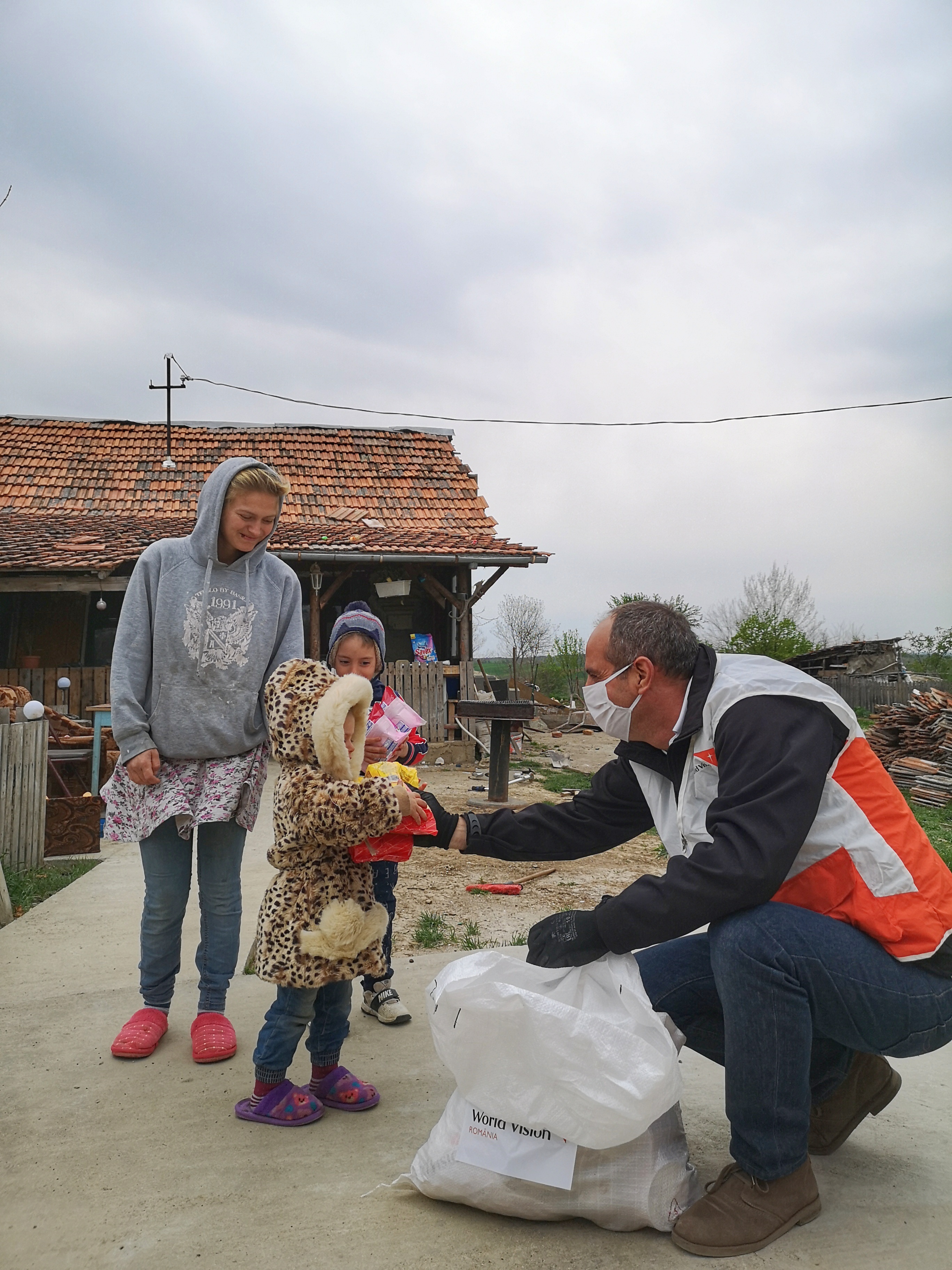
The life of children and families in the villages where World Vision Romania is active has always been tough due to difficult access to proper food, medicines, and hygiene products, amongst other factors. Now, because of the current pandemic, their situation has become even more desperate. 

World Vision Romania is there and through our intervention we aim to help 7,500 families and 14,000 children in various ways so that they can still lead a normal life, as much as possible, in the following ways:

  • Supporting digital education in every possible way and with all the resources that we have. Children must continue to study. 
  • Providing packages with food, hygiene products, school materials and activity packs, and even electronic devices, internet SIM cards and other basic products. 
  • Connecting with children and their families and monitoring their health. We provide psychological counselling to those in need, via phone or online. 

People can donate to help sustain our intervention via text message: text SPERANTA to 8864 (SPERANTA means HOPE); each message equals 4 euro or donate online at https://worldvision.ro/coronavirus. All donations help us to support vulnerable families from rural areas survive the crisis. All individuals and companies who have necessary resources for rural families (food, hygiene products, digital infrastructure) are kindly asked to contact us at: donatori@wvi.org.

Please see more details about our response below:

We provide material support:

  • Disinfectants, protection masks, gloves, chlorine, water, toilet paper, wet napkins and other hygiene products;
  • Food packages for those placed in quarantine;
  • School materials, activity packs, games for the children isolated at home;
  • Electronic devices (tablets, computers) and internet SIM cards so that even children living in remote/isolated villages can have access to digital education during the coronavirus pandemic.

We provide digital home schooling:

  • We have identified solutions for distance communication with children via phone, apps, online platforms, e-learning and videoconferencing;
  • More than 5770 children can attend online courses via the “The School in a Box” e-learning platform;
  • 12th grade students from “I want in the 9th grade”  take part in remedial activities online. Hundreds of other high school students attend online personal development workshops. Students without access to internet or digital devices keep in touch with teachers via phone.

We provide counselling and monitor health conditions:

  • All our psychotherapists, psychologists, social and educational assistants provide phone or video psychological counselling;
  • Nurses keep in touch with the families on a daily basis to monitor their health condition; 
  • We provide information about essential preventive behaviour so they can stay safe and sane. 

Scavenger hunt in Portugal

By Telma Costa, CPADA

CPADA took the SDGs to schools as part of the Make Europe Sustainable for All Project. Through a scavenger hunt, students and teachers were able to get familiar with the 17 SDGs, and think about how they can have different meanings in the reality of different countries. For example, for those living in Portugal, SDGs 3 (Good Health and Well-Being) and 6 (Clean Water and Sanitation) seem as simple as having doctors and water, but for children and families in less developed countries these represent a challenge to survival, especially in the current reality of the Covid-19 Pandemic. 

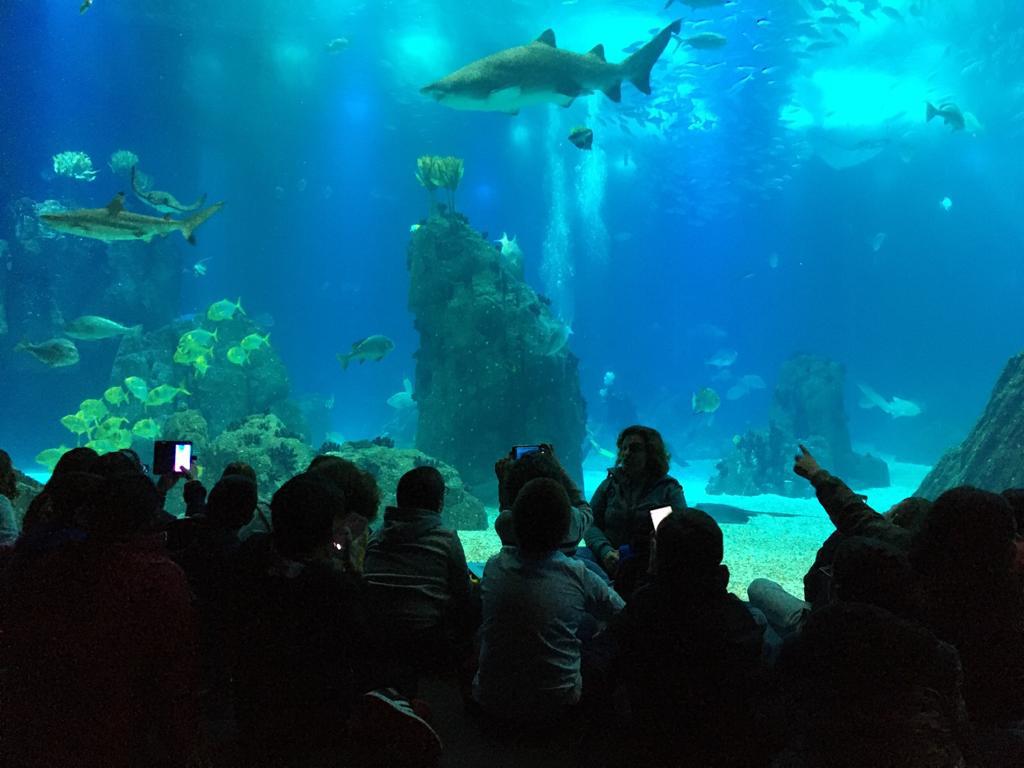
The last of the SDGs is 17 (Partnerships for Development), so one of the goals of this treasure hunt was to demonstrate the ultimate lesson: that to achieve the other 16 SDGs, simple teamwork and partnership are essential to reach the end! Of course, everyone won … even if the prize was simply more knowledge! The school we worked with is located in a municipality near Lisbon with a high rate of needy families, and the Project provided these children with another adventure – a visit to the Lisbon Oceanarium and a workshop on biodiversity that explained the human impact on its decrease and how this contributes to climate change. This was a great example of a small action that helped impact those who are the future of our planet! 

Latvian hackathon devoted to COVID-19

By Inese Vaivare, Lapas LV

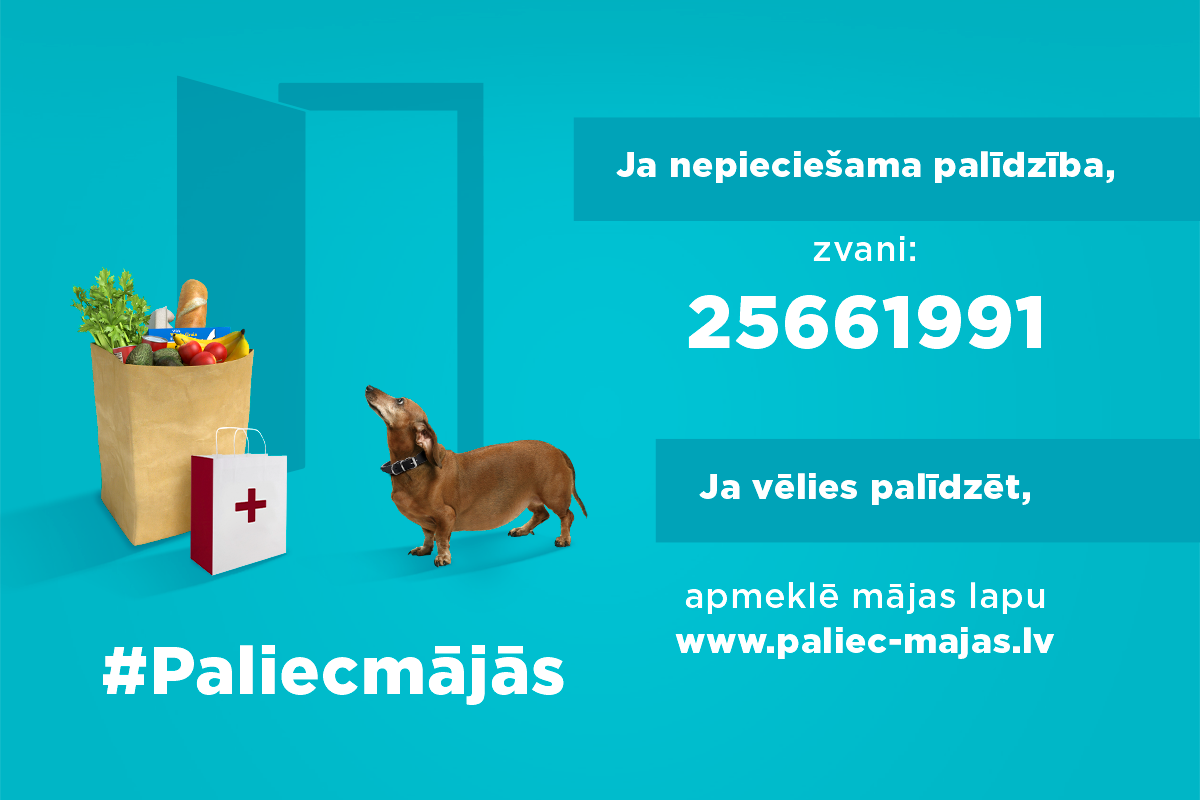
In March, we held a hackathon devoted to responding to the COVID-19 emergency, where professionals from different backgrounds gathered to generate ideas. The goal was to find a way to digitally connect high-risk people in need with volunteers who could help, people usually active on social media. The platform #stayhome was created: a call center operating 24/7 in Latvian, English and Russian, provided by a social enterprise employing people with disabilities, and mobile app that is available for volunteers and operates based on geographical location. A person in need just has to call, leave their phone number, location and need, and a volunteer  can pick up the task, call the person in need to confirm and just do it. This fast and easy solution has made it possible for anybody who wants to volunteer, however they want and whenever it is convenient and possible. No one is left behind!

Even though the application to become a volunteer is available only for authorized persons, in one month this movement has gathered more than 600 volunteers covering the whole country. We coordinate daily with social services, family doctors, hospitals. The movement is recognised by the government and supported by private sector companies. 

Reacting to the needs we saw most, we have already expanded to specific support for medical staff, linking doctors to different service providers and supporters such as car rentals, psychological support, and more. We also started to support local businesses run by people with high risk – for example, people can order daffodils grown by the elderly who cannot go to market to sell them now, and volunteers will deliver them.

We already see that this platform will also be crucial in the post-crisis period for socio-economic support in communities and neighbourhoods. 

Read more here: https://paliec-majas.lv/en/

Joint NGO statement on how the European Green Deal can support recovery in developing countries

By CAN Europe

This joint statement on the COVID-19 crisis accompanies a set of recommendations from NGOs in February 2020 on Making the European Green Deal work for International Partnerships.

As NGOs working on climate, environment, social justice and sustainable development issues, we stand in solidarity with local communities, vulnerable groups and those on the frontlines of the pandemic in partner countries. Solidarity, transparency, inclusiveness, and equity must guide the EU’s response at all stages.

In the short-term, the priority with partner countries must be to address the health crisis, immediate humanitarian and socioeconomic impacts on livelihoods, and the right to food. The EU should free up maximal emergency and concessional finance that doesn’t exacerbate existing debt vulnerabilities, in the form of budget support and direct transfers to national response plans, support measures to tackle liquidity pressures, and debt relief.

In the medium- to long-term, an economic crisis in the Global South could push hundreds of millions more into poverty. The EU should ensure that recovery support in partner countries integrates climate and biodiversity objectives with the Sustainable Development Goals, tackles social inequalities, strengthens access to natural resources, and supports public services. We call on the EU to adopt the following principles to support green, equitable and resilient recovery plans in partner countries.

Read the full statement here.

More information can be found here.

Next UN Environment Assembly UNEA-5

The next UN Environment Assembly UNEA-5 will take place in Nairobi on 22-26 February 2021.

The theme of the next Assembly is “Strengthening Actions for Nature to Achieve the Sustainable Development Goals.” The theme calls for strengthened action to protect and restore nature and nature-based solutions to achieve the sustainable development goals in their three complementary dimensions (social, economic and environmental). You can learn more about the theme here.

UNEA-5 will be presided over by the Norwegian Environment Minister Sveinung Rotevatn. Other European environment ministries who are part of the UNEA Bureau are Estonia, France and Serbia.

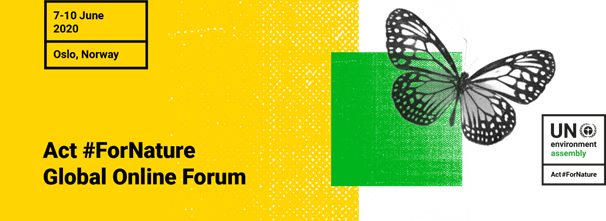
Given that Norway is presiding over the Assembly, the Norwegian Environment Minister is hosting a retreat for the Bureau in June in preparation of the Assembly. To allow for the early involvement of civil society and other stakeholders, they also decided with the UN Environment Programme (UNEP) to hold an international consultation for all stakeholders, i.e. for all Major Groups and other Stakeholders globally. This was originally planned to be an in-person meeting in Oslo but will now be held as an online conference on 7 June.

Please find the invite for this consultation below.  It is not limited to, but gives preference to organisations who are accredited by UNEP (there is a limit of 200 participants). It is crucial that many of SDGWE’s members who are accredited participate – in particular those who focus on the theme of UNEA-5: nature’s protection and restoration, especially nature-based solutions. Given that the conference takes place online, it is easy to participate. It is a unique chance for all interested organisations to be part of the UNEA preparations early on, to learn more about the process and eventually get more involved.

The consultation will be followed by a series of five online global town hall discussions on a variety of themes open to all (max. 15,000 participants). Information can be found here:  https://app.tappin.no/registration/?e=actfornatureglobalonlineforum062020.

The international consultation with stakeholders and events are organised by ForUM, the Norwegian federation of environmental and development NGOs and UNEP with support from the Global Major Groups and Stakeholder Forum.


Invitation: Welcome to The International Consultation of Major Groups and Stakeholders

Join us on June 7th to have a say in the virtual consultation of Major Groups and stakeholders, a preparatory meeting to ensure an impactful outcome from the Fifth Session of the UN Environment Assembly (UNEA-5) taking place next year. Register your interest here.

2020 marks the beginning of the decade of action. This super year for nature was derailed by the COVID-19 outbreak, but the urgency to act #forNature has not diminished. How can we strengthen actions for nature to achieve the sustainable development goals in light of this global pandemic?

The consultation will center around the following themes:

  • Health and Environment: What a post-pandemic recovery looks like
  • Tackling Ocean Pollution
  • Ecosystem Restoration, Biodiversity, and Development
  • Involvement and Implementation

The output of the consultation will be handed over to the Bureau of the UNEA and the Committee of Permanent Representatives.

The consultation is the first event of the week-long Oslo Act #forNature Global Forum that includes Town Halls and the Preparatory Retreat for the UNEA Bureau. Check out the website for more information about the Oslo Act #forNature Global Forum and The International Consultation of Major Groups and Stakeholders.

Wardrobe Change: Reimagining Fashion

By World Vision Ireland

The current pandemic has forced many planned events to be cancelled, changed and postponed. The MESA implementing partners in Ireland – World Vision Ireland and the Irish Environmental Network – had planned a conference focusing on SDGs, Fashion and Waste during Fashion Revolution Week. However, like many others, we had to rethink our plans and cancel the event. These times call for flexibility, creativity and the internet. As we are no longer able to host the conference due to current restrictions, we have adapted our plans. 

We are excited to announce our new podcast series “Wardrobe Change: Reimagining Fashion”, a four-part series exploring the potential for the fashion industry to achieve the Sustainable Development Goals (SDGs). Set in the context of the current pandemic, it focuses on the impact of waste created by the fashion industry and addresses the need to rethink how we make, wear and re-wear our clothes for a more sustainable future for both people and planet. 

We are delighted to have the support from Kerry Bannigan, founder of UN Conscious Fashion Campaign, who will moderate the conversations with other experts and passionate people in this field, such as: Carrie Ann Moran, country coordinator of Fashion Revolution Ireland; Lynn Wilson, Circular Economy Wardrobe; owners of local startups; and many more. 

To access the podcast, please visit: http://sdgsforall.ie/wardrobe-change/

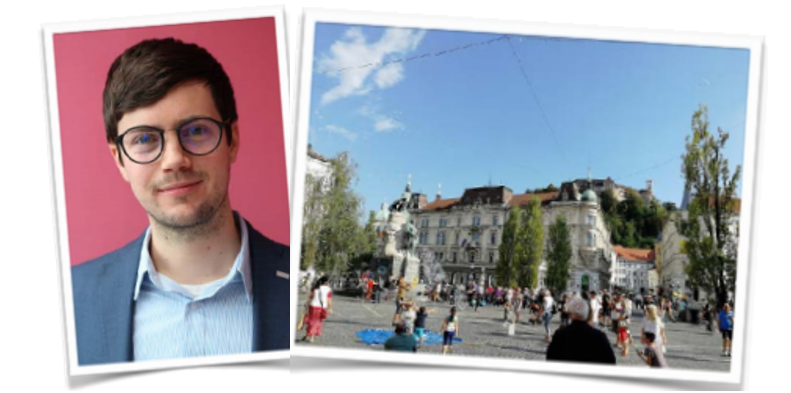
#EuropeanFootprints #WhatDoYouCareAbout stories for a sustainable future: Urban spaces and connections

Authored by David Klepej, Slovenia 

By 2030, it is expected that 5 billion people will live in cities worldwide. However, this increasing trend towards urbanization brings about several issues. Among these urban challenges are traffic congestion, the disappearance of green spaces, waste management, pollution, and the need to provide enough job opportunities, adequate housing, and resources such as transport and energy. At the same time, cities can be hubs of innovation, economic progress, creativity and social connections with other inhabitants. One of our big challenges for the future will be to balance out environmental and social sustainability with urban prosperity for all.

Coming from a small village in Slovenia with less than a hundred people, I was always fascinated by cities: how they bring together so many people of various backgrounds and beliefs, how they function, and how they find solutions to offer their inhabitants not only the necessities for life, but also the conditions to socialize, educate, innovate and generally prosper. I am therefore passionate about making cities and human settlements inclusive, safe, resilient and sustainable. 

Slovenia has received praise for its high standards in natural protection and sustainability. It is the first country awarded the Green Tourist Destination award, it ranks among the most sustainable countries in the world, has the highest share of its area under the European Union’s Natura 2000 programme (37,9 %), and is one of Europe’s biodiversity hotspots. Slovenian cities provide many good examples of sustainable and smart small- and mid-sized communities. Nine municipalities (17% of the entire population of Slovenia) are included in the Zero Waste network, the capital Ljubljana was named European Green Capital 2016, and many efforts are made for comprehensive urban renovations. Many cities in Slovenia are closing their centres for traffic to open up space for pedestrians and cyclists, are offering bike sharing systems (including electric bikes), and are enabling the economic redevelopment of city centres. 

I envision a future in which our cities will have a positive impact on people, the economy, nature and the climate. One of the main principles in achieving this is a better use and diversification of urban space and resources. To do so, we must build upon sustainable and diverse land use, responsible construction and maintenance, and the reuse and repurposing of all resources. At the same time, we must implement new technologies for smart governing, monitoring, and managing of the urban environment. 

ANUNA DE WEVER: “I BELIEVE IN HUMANKIND”

By Khaled Diab, EEB

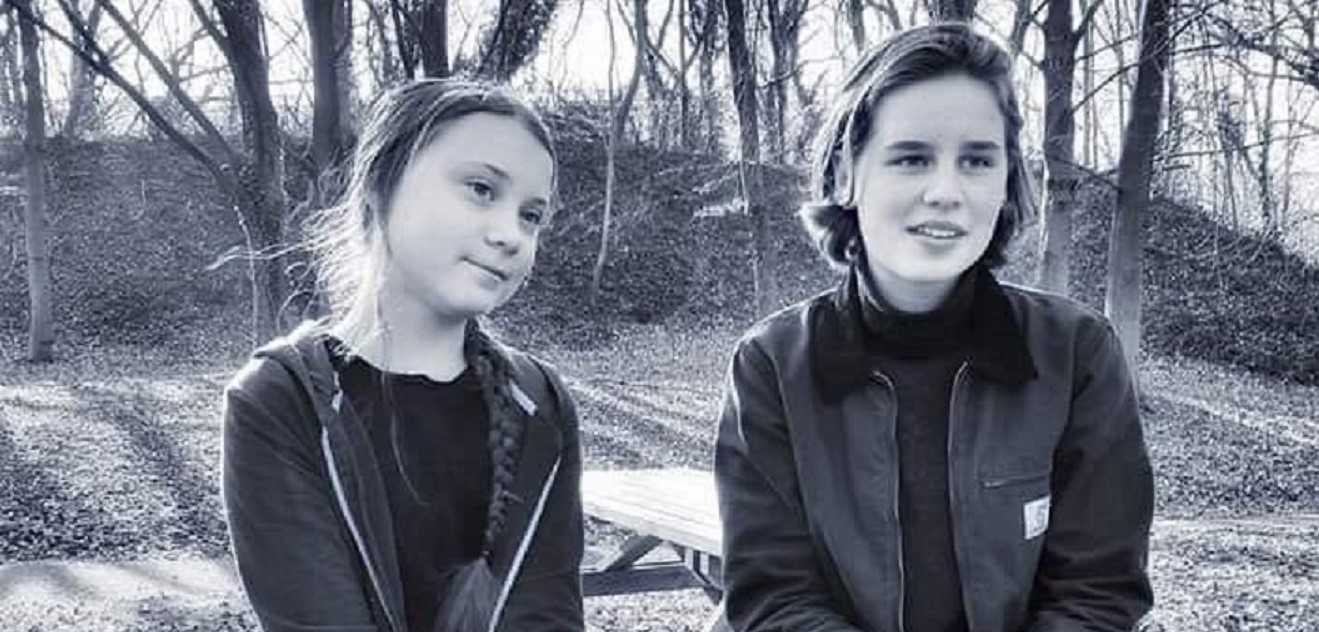
Anuna De Wever, dubbed the ‘Belgian Greta Thunberg’ by the media, tells META in an exclusive interview about what she learned on her sea voyage to South America, the environmental challenges lying ahead, and her cautious optimism that humanity can overcome them.

It was not so long ago that Anuna De Wever was an anonymous schoolgirl in Antwerp, Belgium. Then, inspired by the example of Greta Thunberg in Sweden, De Wever joined forces with students Kyra Gantois and Adélaïde Charlier to organise Belgium’s own School Strike for Climate movement, also known as Youth for Climate or Fridays for Future, which started holding regular strikes in Belgium in January 2019.

De Wever’s efforts to place the climate emergency in the public eye and to change the world have had the unintended consequence of placing her in the public eye and changing her world.

Not only has the young activist become a household name and face in Belgium with her regular media appearances, her activism has exposed her to severe criticism from conservatives and vicious attacks from the far right. In addition to harassment on social media, De Wever was pestered at the annual Pukkelpop music festival, where she had urine hurled at her and her tent was trashed.

“This has really become a left- and right-wing issue,” the climate activist told META. “I don’t understand it, because it’s super general, climate change.”

De Wever expressed exasperation about how many on the right are so hostile to climate action. “There have never been so many people who wanted change in Belgium on the climate. But we have a really right-wing government and, for some reason, Belgians think that right-wing doesn’t mean saving the climate,” she said.

Reflecting on the nascent youth movement, De Wever admitted to mixed emotions: pride at the success it has had in pushing the climate emergency to the top of the public and political debate; frustration at the limited concrete changes that this greater consciousness has delivered.

“I am more optimistic because we’ve seen the movement grow; we’ve seen people uniting. So many people want change and are fighting for it,” the youth activist told META. “On the other hand, things have only gotten worse. If we listen to the science, it’s only getting worse.”

Crossing oceans

Last October, Anuna De Wever, along with 35 other activists, not to mention the crew of the ship, set sail across the Atlantic to visit the Amazon rainforest and to attend the UN Climate Change Conference (COP25), which was originally slated to take place in Chile.

In this endeavour, she received support from Make Europe Sustainable for All (MESA), an EU-backed project which seeks to boost the awareness and implementation of the UN’s Sustainable Development Goals (SDGs) and their associated 2030 Agenda, and others.

“We sailed for six weeks, and that’s really, really intense, to be on a boat with 42 people the whole time, not seeing land,” she recalled.

But the voyage was also an educational one. “One of the SDGs is about life below water. Over 3 billion people depend on marine and coastal biodiversity for their livelihoods. Today we are seeing 30% of the world’s fish stocks overexploited,” De Wever tweeted at the time. “We are learning a lot about these crucial problems on our sailing trip.”

Endangered paradise

The Amazon represents over half of the world’s remaining rainforests and is one of the most species-rich places on the planet, representing 10% of the world’s biodiversity. Anuna De Wever and her companions toured parts of the Amazon and met indigenous communities there to learn more about their situation.

“When we were in the Amazon forest, it was beautiful, but it was also really, really hard because a lot of people there are facing the direct consequences of climate change,” De Wever recalled. “You can really see how climate change is already affecting millions of people’s lives: the whole forest is drying out and the rivers are completely polluted.”

In addition to the deforestation caused by ranching and farming, De Wever refers to the devastation wrought on the Amazon and its indigenous communities by mining. “They’re building goldmines next to the river which are super polluting, and the pollution of the goldmines gets into the water,” she explains.

Gold mining – both illegal and legal – is turning vast swathes of the Amazon into a toxic wasteland, as are other forms of mining, not to mention oil and gas exploitation.

De Wever also points to the gigantic Belo Monte hydroelectric dam which, according to the Environmental Justice Atlas, involves the moving of more earth than the digging of the Panama Canal did and threatens to transform the world’s mightiest river into an “endless series of lifeless reservoirs”.

“A big part of the forest is completely dried out because all the water is gone from there, and the people living there also had to move,” describes De Wever. “Indigenous people who have been living there for generations and generations, now, they all have to move from there.”

Fire and fury

The recent forest fires in the Amazon, most of which are believed to have been deliberately lit to clear land for farming and cattle rearing, sparked public outrage around the world and galvanised opposition to the deforestation policies of Brazil’s far-right president Jair Bolsonaro.

Although Bolsonaro is the villain of the moment, deforestation did not begin with him. In fact, nearly 800,000 km² of Amazonian rainforest has been cleared since 1970. The mind-boggling scale of this destruction has led scientists to fear that we may soon reach a tipping point when tree loss starts to feed on itself without the need for further human intervention, destroying much of the remaining fragile ecosystem.

A new study in Nature suggests that this tipping point may arrive decades sooner than previously feared. While the study focuses on how this will disrupt the role of rainforests as “carbon sinks”, the destruction of the Amazon spells disaster for life in one of the world’s most biodiverse regions. This loss of priceless nature will not just have a severe ecological impact but will also result in trillions of euros of economic damage, according to various estimates.

Rethinking trade

This makes action to protect the Amazon and other rainforests all the more urgent. And Europe is not powerless in this regard. The EU not only enjoys enormous economic leverage over Brazil and other Amazon countries which can be used to promote sustainability, it also imports billions of euros worth of products, such as meat and soymeal, that contribute to deforestation.

“There are trade agreements like the one with Mercosur that need to be rethought because it’s really, really devastating,” notes De Wever. “A lot of European leaders and leaders from all over the world need to start putting pressure on the Brazilian government to say, ‘You’re not getting away with this.’”

Rather than being punished, Brazil’s Bolsonaro is on the verge of being rewarded royally. At around the same time that large swathes of the Amazon were going up in smoke, the EU and the Southern Common Market or Mercosur (a trading bloc of South American nations) agreed on the principles of a free trade agreement with the bloc’s four founding members, Brazil, Argentina, Paraguay and Uruguay.

Environmentalists fear that, despite the new trade accord’s vaunted environmental credentials on paper, it will contribute to the ongoing destruction of the Amazon rainforest and the human rights violations that underpin it. Civil society was so alarmed by the implications of the trade deal that more than 340 organisations, including the EEB, sent out a joint letter in which they urged the EU to halt negotiations.

The EU-Mercosur trade deal is also unpopular with EU citizens. A recent YouGov poll found that nearly two-thirds (63%) of citizens in six EU countries want the deal to be scrapped, which rises to a staggering 82% amongst those who expressed a clear preference. A number of European governments have expressed their opposition to it.

COP out

The primary political goal of Anuna De Wever’s voyage across the Atlantic was to attend the UN’s 25th Climate Change Conference (COP25), which was scheduled to be held in Chile but was moved to Madrid at the last minute because the Chilean government pulled out amid popular unrest.

“It was really disappointing because we wanted to be there ourselves, especially because Belgian climate policy is really, really awful,” admitted De Wever. “We wanted to be at the COP25 ourselves to look our Belgian ministers in the eyes and say, you know, you cannot go through with this.” However, a Youth for Climate delegation made it to the conference in Madrid and they got the message across, De Wever added.

Despite the efforts of youth activists, campaigners and environmentalists, COP25 failed to deliver any concrete results. “It was really disappointing because nothing happened, obviously. And way more was expected,” reflected De Wever. “For COP26, the stakes are really, really high.”

COP26 is due to take place in November 2020 in Glasgow. Before then, the EU must assume a leading international role, De Wever suggests. “We need to have a European Climate Law by then that is actually ambitious. We really want the European Green Deal to succeed and we need to have the financial resources for that to happen,” she said.

This chimes with the EEB’s position. “The European Green Deal’s success will depend on an EU budget which is absolutely sustainability proof and fully aligned with the Green Deal, and on strong measures accompanying it, in particular, to reduce social inequalities across the Union and globally,” the EEB said in a statement. “The promised transformation can only come off if the European Green Deal is embedded in a long-term strategy for implementing the 2030 Agenda and the Sustainable Development Goals in and by the EU.”

The European factor

Anuna De Wever and fellow Belgian climate activist Adélaïde Charlier have both decided that the most promising way forward is to focus their efforts at the EU level. For that reason, they took up, alongside their activism, part-time internships at the European Parliament with the Green Party faction.

“We have big things which we can try to push and make real, like the Green Deal, like the Climate law,” De Wever explained. “It’s nothing yet but if you push it, if you make it ambitious, if you search for financing or resources, we can actually make it something.”

An example of this drive to make EU climate action more ambitious relates to the European Commission’s recent proposal for a Climate Law. Anuna De Wever co-signed a letter with 33 other climate activists, including Greta Thunberg, urging the EU to adopt binding emissions targets not just for 2050 but also for 2030, 2020 and all the years in between.

Despite this criticism, De Wever has faith that the EU can deliver and act like a responsible global citizen. “We wouldn’t be on the streets every week, if we thought it wasn’t possible. Obviously, we think we can but it is going to demand very drastic change,” she said. “It’s going to involve a whole system change. And this is not a negative thing because the foundations of our system are broken anyway… And we need to rethink our whole economy if we want to respect our planetary boundaries instead of destroying the home we are living in right now.”

De Wever believes, done right, this transition will be very good for the welfare and wellbeing of Europeans. “People say I don’t want to do anything for the climate because people are going to lose their jobs, people are going to be poor because we need to pay so much. But it’s not true. It could be completely just. It’s just an investment that we need to make,” she asserts. De Wever is also cautiously optimistic about the transformative potential of global cooperation. “Humanity has already done so much. We made the whole world run on technology, we ended world wars, we put men on the moon. Things that seemed impossible years ago, suddenly became a reality. I believe in humankind,” she concluded.
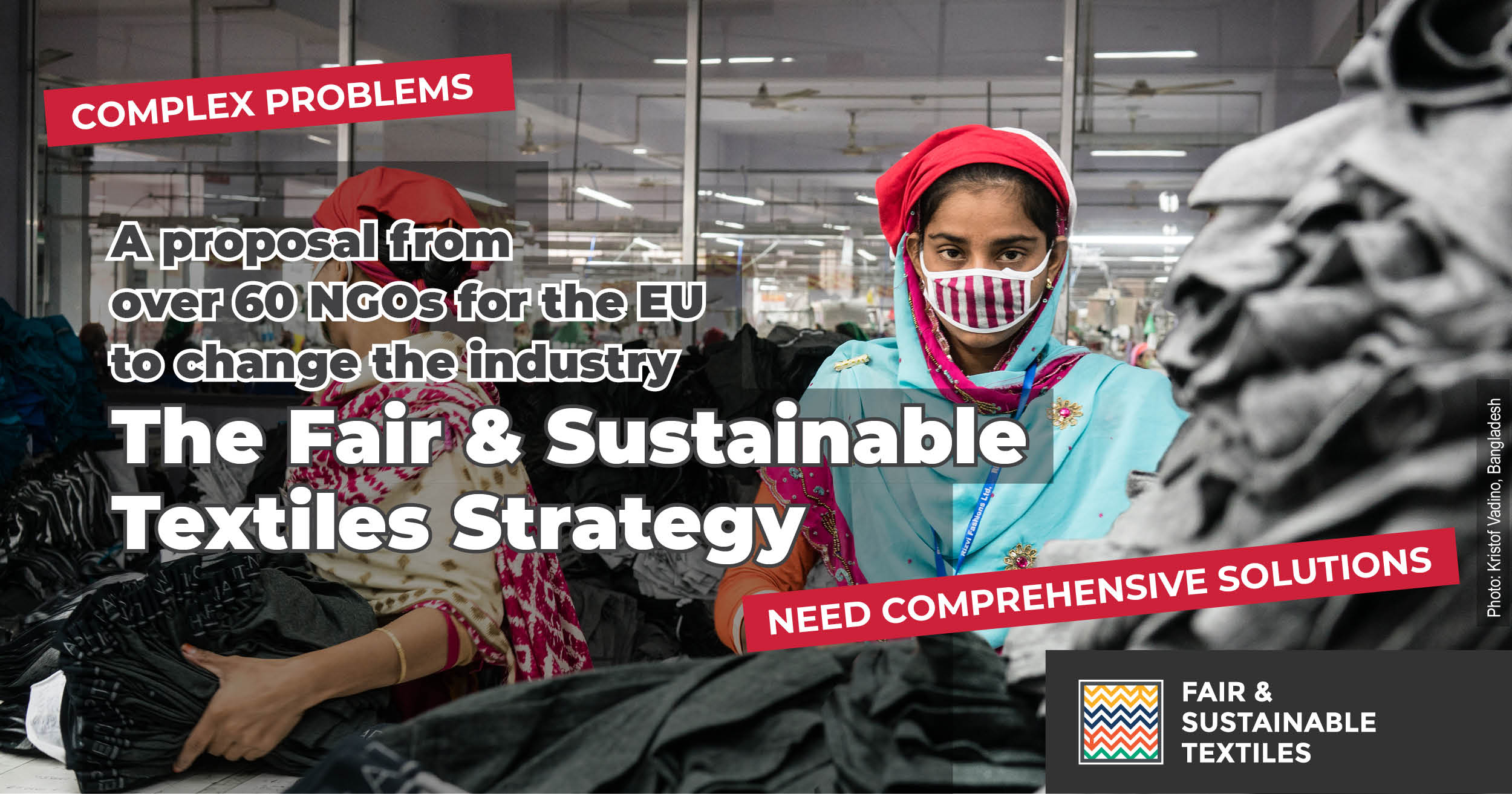
Coronavirus highlights need for EU to end toxic textile trade

Published as the joint vision of  65 civil society groups (see list of signatories in the article)

Key points of the vision are:

– Companies must take responsibility for their whole supply chain

– Now is the time for stricter environmental rules

– Broad coalition of fair trade, human and workers’ rights, environmental, and transparency groups call for action

A global re-design of the textile industry’s broken business model is essential for the post-coronavirus world.

With the European Commission poised to start developing a new ‘comprehensive strategy for textiles’ [1] a broad coalition of 65 campaign groups for fair trade, human and workers’ rights, environmental protection, and transparency has set out its vision for the future of the industry.

The textile, garments, leather and footwear (TGLF) sector has long been characterised by labour and human rights abuses, along with the immense pressure it exerts on our environment and climate. 

Patrizia Heidegger, Global Policies and Sustainability Director at the European Environmental Bureau, said: “Cancelled orders and delayed payments due to the pandemic have left millions of vulnerable workers in the textile supply chain without pay and the livelihoods of their families at risk. This is once again laying bare the lack of clear legal obligations for buyers to take responsibility for their whole supply chain. It’s time for an EU response to tackle both fashion’s exploitation of workers and the shocking environmental and climate damage of an industry based on the sale of ever more new products.”

Members of the European Parliament Delara Burkhardt (S&D), Heidi Hautala (Greens/EFA), and Helmut Scholz (GUE/NGL) have addressed a joint letter to all the Members of the European Parliament to share and support the civil society groups’ vision – set out as a ‘shadow’ textiles strategy. In the letter, the MEPs stress that “the textile sector has been among the most vulnerable to the COVID-19 crisis due to the power imbalances among its actors and its severe structural problems, including the environmental damage it causes and governance issues. It is one of the most polluting industries, the source of countless catastrophes like that of Rana Plaza, and a hotspot for human rights abuses – which affect women disproportionately”.

Representing the civil society coalition, Sergi Corbalán, Executive Director of the Fair Trade Advocacy Office said: “Voluntary industry action has failed to bring about a fair and sustainable textile industry, so it’s time for EU leaders to reset the industry’s structure” and added “This ‘Shadow Strategy’ offers the Commission the combined expertise of 65 Civil Society Organisations who have years of experience in dealing with the various impacts of the sector. It’s not a menu from which the Commission can pick specific initiatives and leave others behind, but a comprehensive strategy in which taking action in each field reinforces the efforts put into others.”

The civil society vision for a comprehensive EU Textile Strategy contains recommendations for legislative and non-legislative actions that the EU can undertake to contribute to fairer and more sustainable TGLF sector, including:

> Ensuring companies are legally obligated to take responsibility for not only their own activities, but their whole supply chain by applying an EU due diligence law across all sectors, including specific requirements for the TGLF sector. Signing a multi-stakeholder partnership should not exempt business from responsibility.

> Stricter environmental rules that cover how textile products sold in the EU are designed and produced, legal and financial responsibility on producers for when their products become waste, as well as meaningful measures to promote transparency.

> Ensuring brands and retailers are legally obliged to honour contracts and end the culture of unfair purchasing practices that gives them impunity to cancel orders without honouring payments – leaving workers without pay and a wasteful pile up of unsellable products.

> Make governance reforms and better law enforcement in producing countries part of the solution to sustainability issues faced in the TGLF value chains.

> Through trade policy, use EU market power to leverage sustainable production practices in the TGLF industry.

Read the executive summary and COVID-19 update to the vision.

Signatories:

Abiti Puliti, achACT, Aeress, Association 4D, Circular Economy – VšĮ “Žiedinė ekonomika, Clean Clothes Campaign Europe, Clean Clothes Campaign international, Confederação Portuguesa das Associações de Defesa do Ambiente (CPADA), ECOS, European Environmental Bureau, Emmaus- Europe, ENS, Europe and We, FAIR, Fairtrade Germany, Fairtrade International, Fairtrade Max Havelaar France, Fairtrade Foundation, Fairtrade Polska, Fashion Revolution, FEMNET e.V., FOCSIV, Forum Fairer Handel, France Nature Environnement, Frauenwerk der Nordkirche, Friends of the Earth Europe, FTAO, Gender Alliance for Development Centre (GADC), INKOTA-Netzwerk, Institute for Sustainable Development Foundation, Institute of Circular Economy, Irish Environmental Network, Lithuanian NGDO Platform, Netwerk Bewust Varbruikein, ÖKOBÜRO, OXFAM Intermón, Oxfam MdM, Plastic Soup Foundation, Plataforma Portuguesa das ONGD, Polish Zero Waste Association, Pravicna-Trgovina, RepaNet, Rreuse, SDG Watch Austria, Sredina – Association of Citizens, SÜDWIND-Institut, The Circle, Traidcraft Exchange, Transparency Germany, Transparency International Deutschland, Umweltdachverband, VerbraucherService Bundesverband , Voice Ireland, Weltladen-Dachverband, Women Engage for a Common Future, Women Engaged for a Common Future France, Wontanara o.p.s., World Fair Trade Organization- Europe, World Fair Trade Organization, World Vision Ireland, World Vision Romania, Wird, Zaļā brīvība (Green Liberty), Zero Waste Europe, and Zero Waste France.

Note:

[1] The Commission’s commitment to a ‘comprehensive Textile Strategy’ was made in the Circular Economy Action Plan (page 13) published in March 2020. EU Environment ministers will have their say when they react to the Action Plan at the next Environment Council meeting on 22 June. The European Parliament will also react at a forthcoming plenary session. It is expected that the Commission will publish a roadmap towards the Textile Strategy before the end of 2020.

For further information, please contact:

Emily Macintosh, Senior Communications Officer, European Environmental Bureau 

+32 (0) 486 255 228 

emily.macintosh@eeb.org

Jorge Conesa, Fair Trade Advocacy Office

conesa@fairtrade-advocacy.org