#EuropeanFootprints #WhatDoYouCareAbout stories for a sustainable future: Creative media

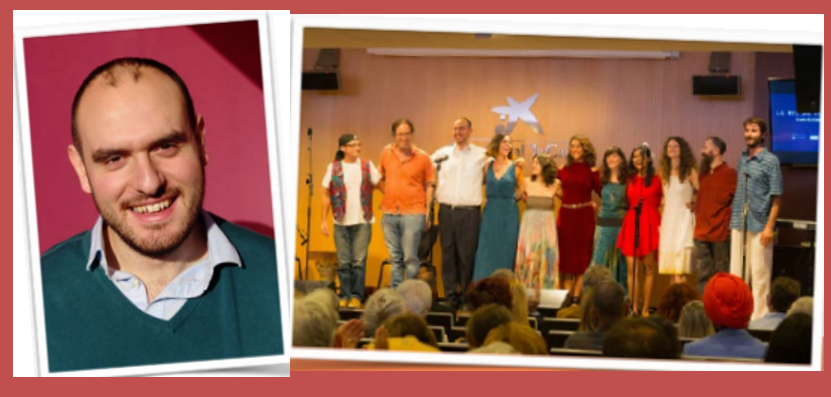
By Diego, Spain

“Us” vs. “them”. When put in contrast, these two words summarize world history in less than one second. Tellingly, this simple dichotomy is at the root of the deadliest conflicts mankind has ever seen. Nowadays, we are witnessing how this belligerent dichotomy pervades our societies, threatening hard-won rights and freedoms. But, here is where education and peace come into play. The concepts of education and peace are intertwined as one necessitates the other to exist. Education can only thrive if there is sustainable peace, and there can only be peace if it is sustained by education. Only if we teach people today how to embrace the “Other” as a fellow human being, will we have the chance to live in peace tomorrow. 

In a world fraught with conflict, the BCN World Music project teaches its audience to embrace the “Other” through music. This initiative brings together musicians from different nationalities with the aim of conveying a strong message of peaceful coexistence. As its acronym (BCN) suggests, the project was born in the city of Barcelona. Our concerts are a mix of storytelling and music, where we interpret folk songs in several languages such as Macedonian, Judeo-Spanish, Turkish, Romani or Bengali – among others. This particular format enables us to explain the meaning of each song to the audience as well as to deconstruct static and dichotomic notions of identity. 

Music – as an expression of cultural identity – is not confined to the discursive borders of the nation. Music is universal – it permeates and ultimately transcends those borders. When I launched the project, my idea was to bring this worldview to the stage. However, the ultimate outcome is much more than a mere idea – it is a reality. It is exactly the example I want to see in the world. I can proudly say that we have managed to break the “us vs. them” dichotomy and hold humanity under the universal embrace of music.

Regeneration – Sustainability – Integration – El Valle

By La Bolina, Spain

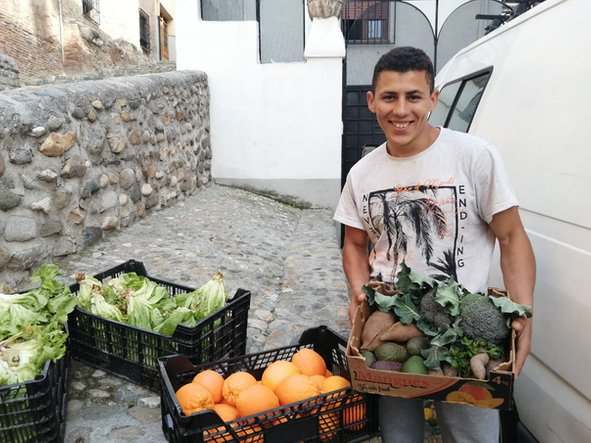
 We’d like to introduce Charaf (pictured above) who is officially moving to El Valle today as La Bolina’s first full-time paid member of staff! Over the last year Charaf has taken part in our training programme ‘Cultivando Futuros’, been mentored by La Bolina co-founder and agroecology trainer Habiba and taken responsibility for our piece of land in Granada. He will now be working on the land in El Valle everyday growing the ecological vegetables that we sell. “I am very happy to be working with La Bolina and to be moving from the city to live in El Valle” he says. Receiving a work contract from La Bolina means that Charaf has been granted residency to live in Spain, two years after leaving Morocco on a boat age 18. It was a suspenseful time waiting to find out if he’d received residency. I asked him how he felt when co-founder Maria told him the news: “I was very happy and content because now I can go to see my family again.”

And we couldn’t be happier: Charaf is a fast learner, dedicated worker and has a great sense of humour. We can’t wait to see what’s going to happen over the next few months as he joins us in El Valle full time. Next stop – driving lessons!

 In January the wonderful Gabija and Dario joined our team as volunteer coordinators. They’ve been putting new energy and love into the ‘Hub’ – our shared house in Saleres – and are supporting many aspects of the project. Two European Solidarity Corps volunteers have recently joined us for 6 months; Nils is kick-starting our social media, making videos and helping run events and Franky’s getting her hands dirty on the land. You can read more about Franky’s experience (and challenges) in her first blog post – she’s going to be doing updates from the land so you can follow her journey.

 Granada-based photographer Ana has joined the team to support communications one day per week, so if you haven’t yet, check out the new website she’s made for us.

 Our recent volunteers Ana, Torild, Matilde and Jess have now left to volunteer or work with other projects – thank you all for your incredible energy!

 We’ve got a great team of day volunteers who help out on the land on Thursdays. If you’re interested and can join regularly on Thursdays please get in touch – participa@labolina.org

 The dedication and care of these people are producing a rather marvellous range of vegetables! The land is looking incredible – come and see for yourself!

Implementing the SDGs at Higher Education Institutions: Challenges and Responses

By the Global University Network for Innovation

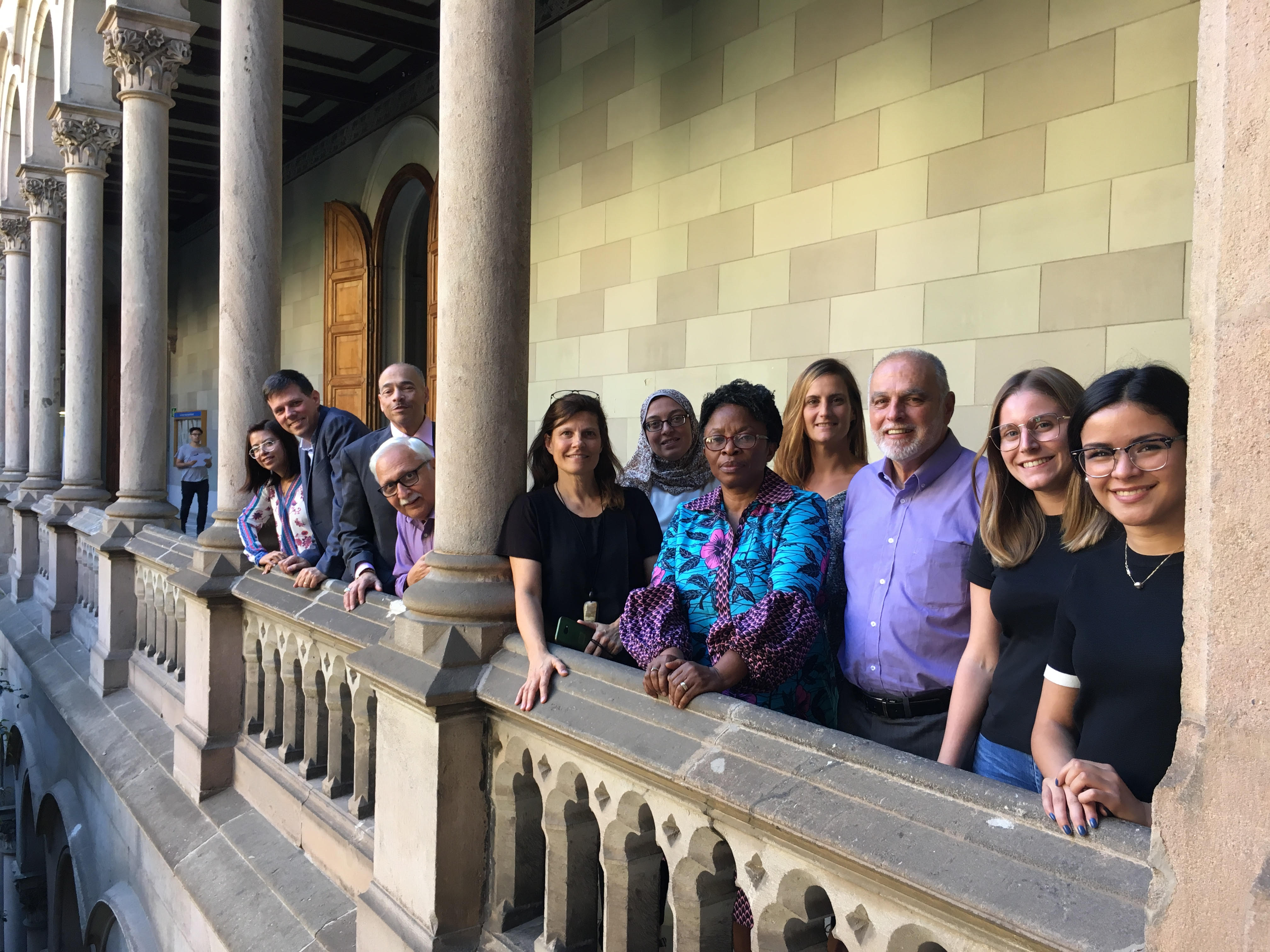
On October 4th 2019, the Global University Network for Innovation’s Group of Experts presented its second publication devoted to the implementation of SDGs at Higher Education Institutions, in a public event at the Ateneu Barcelonès in Barcelona. More than 85 people attended the event, which promised to be an enriching experience and provided a variety of cultural and geographical approaches to the implementation of SDGs at Higher Education.

Looking at the 2030 Agenda from a Higher Education perspective, its main strength is that it has given us the opportunity to once again shed light on the essentiality of embedding certain values and practices in the main missions of our institutions. The 2030 Agenda has given us the chance to rethink the role of higher education institutions, as reflected in GUNi’s mission statement. It also goes a step further by making everyone responsible and calling for collective action. Universities have multiple roles to play in this (in education, research and as institutions in a specific economic and social ecosystem).

“Implementing the 2030 Agenda at Higher Education Institutions: Challenges and Responses” is the second publication of the GUNi Group of Experts on SDGs and Higher Education devoted to SDGs. It focuses on the obstacles that HEIs encounter when implementing the SDGs and offers some clues as to what some higher education institutions do to overcome them. It includes regional and institutional approaches to sustainable development and it offers a picture of how some higher education institutions can, and do, embed sustainable development in their core missions. Through this project, GUNi hopes to demonstrate its commitment and reinforce the role of HEIs, partnerships, knowledge and research in the achievement of the goals and a better future for all.

In this publication, you will find some approaches and examples as to what kind of obstacles higher education institutions find and how they are trying to overcome them in their specific contexts. In any case, at GUNi we firmly believe that (1) awareness raising, (2) more and stronger partnerships, (3) lobbying for an improved policy environment and (4) support for transdisciplinary work at HEIs, and also between HEIs and other institutions and organizations, will be of key importance in the quest towards implementing the goals set for 2030.

The GUNi Group of Experts on SDGs and Higher Education:

In response to the 2030 Agenda, GUNi established a strategic line around sustainable development. One of its main initiatives is the Group of Experts on SDGs and Higher Education, whose members are representatives of some of the most relevant networks and organisations of higher education and sustainable development. This document is its third publication, and on its pages, you will find relevant examples, inspiration and recommendations for partnering for implementing the SDGs.

In line with the need for global and local transformations, the group of experts and GUNi will continue their strong commitment to the 2030 Agenda by celebrating the 2nd GUNi International Conference on Sustainable Development Goals and Higher Education on March 5-6th, 2020 which will take place at the Universitat Pompeu Fabra in Barcelona.

Useful links:

 Contact details:

www.guninetwork.org

info@guninetwork.org

Menorca. The place where the Sustainable Development Goals are translated through the Agricultural Stewardship

By GOB Menorca

On Tuesday, 30 July 2019, Turmadèn des Capità was the scenario of a soulful event with the aim of raising awareness about the importance of sustainable agricultural management, while enjoying some art in the field, live music and gastronomy. A hundred people arrived at sunset at this organic farm, which has an Agricultural Stewardship Agreement with GOB, and which is located in the municipality of Alaior. Most of these people were landowners, farmers and ranchers who are, or could become interested in introducing sustainable criteria to agricultural activity.

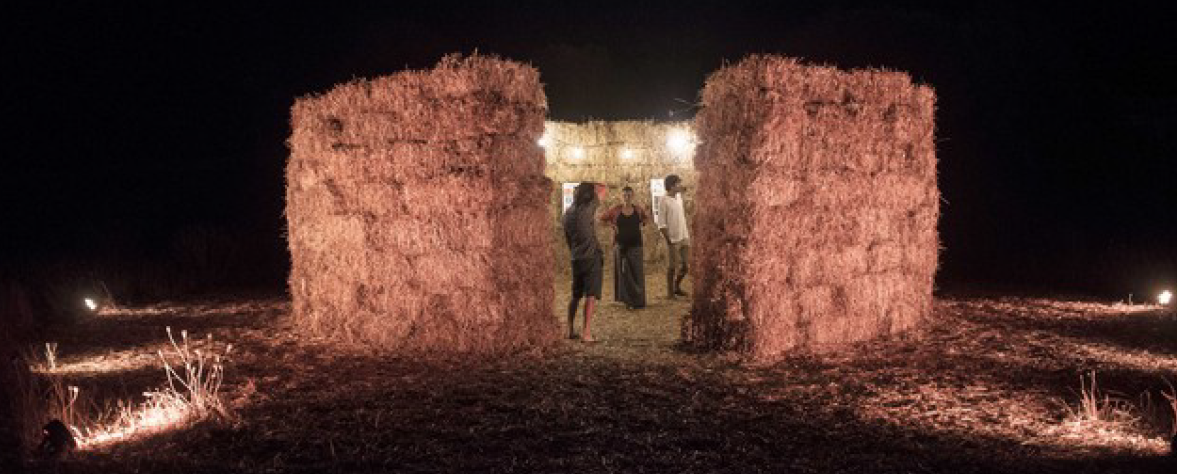
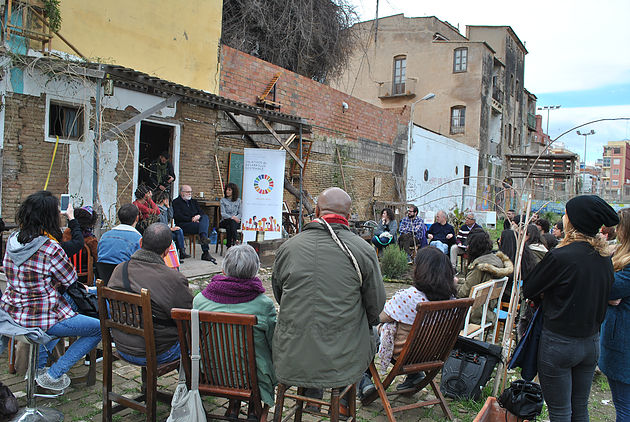
The event, held in a fallow land, began with a talk about the “Agora of Sustainability”, a space made up of straw bales from this year’s crop, and which contained informative panels explaining how the Agricultural Stewardship Program translates the Sustainable Development Goals on the island. A speech by the president of the association thanking all contributing people and entities, such as Make Europe Sustainable for All (MESA) and MAVA Foundation, was followed by a 45 minute concert of classical music with the wind quintet of Orquestra Cambra Illa de Menorca. Afterwards, the center of discussion were the challenges we face due to abandoned agricultural activity and associated biodiversity loss. In this context the Sustainable Development Goals make a lot of sense as they try to align local actions with global strategies. Finally, the gastronomic association Fra Roger delighted us with a tasting dinner of products coming from stewardship agreement farms.

During the 12 days after the launch of the “Agora of Sustainability”, Turmadèn des Capità was open to all those interested in learning about the Agricultural Stewardship Program and the relationship between the Sustainable Development Goals. People from all fields interested in collaborating with GOB attended: politicians, teachers, new landowners in Menorca, journalists, children and teenagers, locals and tourists. Due to these visits, the awareness about the Agricultural Stewardship Program increased: the environmental education program linked to the agrarian reality was promoted, new farmers and landowners became interested in the stewardship strategy and many people were looking forward to volunteer for the program, indispensable for the entity’s prosperity.

In order to understand the importance of maintaining field management through sustainable agricultural practices, it is essential to observe the effect it has on the associated biodiversity. Since 1980, European bird populations have been scientifically studied. We know that those linked to agricultural areas have fallen by 55%, which means that more than half have been lost in just 40 years. Scientists attribute this huge loss of biodiversity to the abandonment of agricultural land, and the intensification of the majority that is still managed. The constant use of pesticides, the elimination of dry stone walls and surrounding vegetation, the transformation of dry land into irrigated land, the creation of large single-crop areas and the use of enormous amounts of chemical fertilizers are actions that change the basis of life in many areas.

The Agricultural Stewardship Program works to include agriculture and animal farming in a holistic model that considers economic, social and environmental viability. As a consequence, Menorca’s Agricultural Stewardship Program promotes the generation of products with three basic values: health, nature and proximity. These requirements seek to avoid toxic products in the production chain and maintain livestock in conditions of well-being. At the same time, keep nature in mind is necessary to have a close coexistence between the productive areas and wild fauna and flora. As well it is also encouraged the consumption of local products with low energy charge. These value-added products support a sustainable production and are positively differentiated in today’s increasingly globalized market.

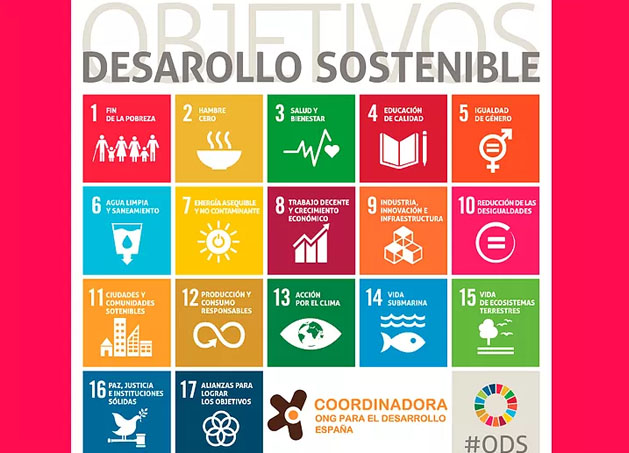
The 17 Sustainable Development Goals deal with the main current environmental and social challenges. They must be supported by local policies that translate ideas into concrete actions. The following are some examples of how the Sustainable Development Goals are translated at the local level through the Agricultural Stewardship Program: climate resilience is being worked through Goal 11 (Sustainable cities and communities) which encourage the cultivation of local varieties and the use of autochthonous breeds adapted to island conditions. Furthermore, Goal 12 (Responsible consumption and production) promotes crop rotation to maintain soil fertility and biodiversity. Goal 13 (Climate action) is translated creating shaded forested areas where livestock can take refuge during hot seasons. Also Goal 6 (Clean water and sanitation) is worked by recovering traditional rainwater collection systems and promoting waste water purification systems such as biological plant filters.

To sum up, there are still many environmental and social challenges to fight but step by step hope is growing. Initiatives such as these allow small-scale changes that end up having effects at global level.
Launch of the 2018 SDG Spanish Cities Index

By Sustainable Development Solutions Network (SDSN) Spain / REDS (Red Española para el Desarrollo Sostenible)

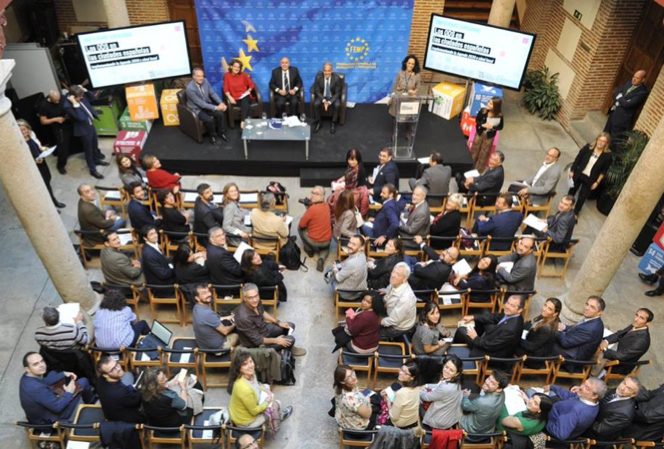
On 16 October 2018 the Spanish SDSN Network, REDS launched the SDG Spanish Cities Index report showing the progress of 100 Spanish cities towards the Sustainable Development Goals (SDGs). The event included an intervention by the Spanish Minister of Environment and a round table with the mayors of four Spanish cities who are leading the SDG implementation at the urban level.

The report provides a snapshot of the current sustainability level of the Spanish cities and will support local administrations in their achievement of the 2030 Agenda. It is intended to serve not only as a monitoring tool for the implementation of the sustainable development agenda, but also as a discussion starter among municipal agents through the identification of successful case studies of cities with similar challenges.

The study includes all the cities with more than 80,000 inhabitants and the 12 main metropolitan areas covering over 50% of the total population in Spain. For this purpose, 85 indicators were identified considering the national context and data availability of the statistical sources and following the SDSN methodology applied to previous SDG Index reports. The presented dashboards use a traffic-light chart to assess where each of the cities and metropolitan areas stand in each of the 17 SDGs.

No Spanish city has achieved the 17 SDGs

The results of the study show that none of the 100 cities or 12 metropolitan areas have yet achieved the objectives set for 2030 and that the best performing areas have achieved only 6 SDGs so far. However, all of the analyzed cities have performances above failure for at least 11 SDGs and 36 cities have no SDG in red.

Results of the Spanish cities for SDG 3: Good Health and Well-being

The goals with the most cities in green are SDG 3, “Good Health and Well-being” and SDG 16, “Peace, Justice and Strong Institutions” reflecting the healthy dietary habits and the outstanding function of the Spanish public health care system as well as the accessible and safe characteristics of the cities. The results also show very positive results for SDGs 6 and 7 (“Clean Water and Sanitation” and “Affordable and Clean Energy”).

On the other hand, the biggest challenges are faced in SDG 8 and SDG 13 (“Decent Work and Economic Growth” and “Climate Action”, respectively) which evidence the high unemployment rates of the country as well as the high GHG emissions and flood vulnerability of many coastal cities.

About the study

The SDG Spanish Cities Index was inspired by the Global SDG Index and Dashboards and the U.S Cities Index, which SDSN co-produces annually to assess SDG performance at both national and international levels. The creation of this Index is intended to better understand Spain’s specific challenges and variations across the country. The study was authored by Javier García López and Raffele Sisto, experts on Urban Indicators and lead by Inés Sánchez de Madariaga, expert on Urban Planning and a Rector’s Delegate for Gender Equality. Moreover, the authors were technically assessed by SDSN experts on the SDG Index methodology.

REDS is the national network of SDSN and it supports the implementation of the SDGs at national, regional, and municipal levels in Spain. For this study, REDS collaborated with the Spanish Federation of Municipalities and Provinces (FEMP), Iberdrola, Mediapost, and the Ministry of Foreign Affairs and Cooperation.

For further information please contact info@reds-sdsn.es

What would the world be like if we had no prejudice of each other based on where we were born and what we looked like?

By Asociación La Bolina

Ibriham Sow, asylum seeker from Guinea Conakry, asked this question during a video co-creation workshop on SDG #10 Reduced Inequalities; which inspired 20 migrants, refugees and locals to make a film on fighting prejudice and celebrating diversity in Granada, Spain.

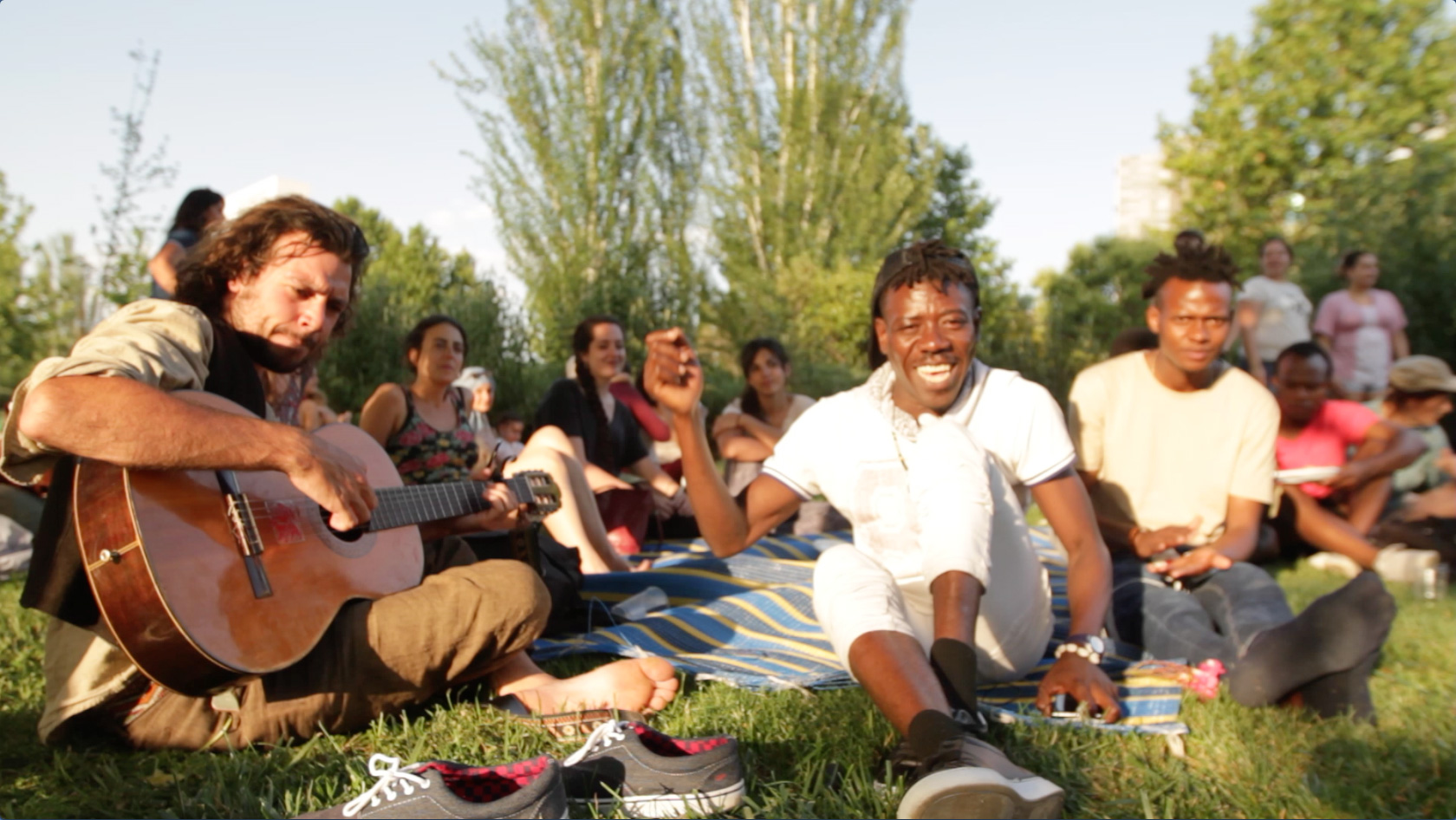
This was one of the 12 activities in Refugee Week Granada June 2018 – designed to raise awareness and inspire action around the Sustainable Development Goals through activities such as theatre, sports, a symposium and a giant picnic with ecological food grown and prepared by refugees. The week was enjoyed by more than 400 people across the city, newcomers and locals alike and proved that refugees and migrants are contributing positively to the city and to the SDGs.

Refugee Week was supported by the EU funded project Make Europe Sustainable for All and coordinated by Association La Bolina who integrate refugees, migrants and locals, regenerate land, lives and cultures and create sustainable livelihoods, economies and communities.

On top of the many friendships that grew during Refugee Week, a partnership formed between La Bolina, Granada University, NGOs and Vamos Granada the regional government thanks to ColaborAcion a day where migrants, refugees, public and private sector and civil society shared perspectives on how to ‘create dignified and sustainable livelihoods for migrants and refugees in Granada’ resulting in the development of a pilot entrepreneurship scheme for sustainable collective-enterprising between migrants and locals.

Association La Bolina’s vision is a dynamic and thriving multicultural and ecological revolution in the rural area where we live, which creates new sustainable livelihoods for locals and newcomers (particularly refugees and migrants), regenerates the ecosystem and celebrates cultural diversity. Find out more: www.labolina.org

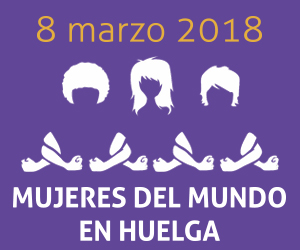
WOMEN OF THE WORLD ON STRIKE: the Spanish Platform of NGDOs (CONGDE) supports and joins the International Feminist Strike on 8 March

By Maria Gonzalez, Futuro en común

Last year Argentine feminists called for an international partial strike under the slogan “Not one less, we want ourselves alive”. Millions of women went out into the streets in 70 countries to make visible our demands for productive and reproductive work, areas in which our presence is essential and in which, at the same time, we are devalued, invisible and discriminated against.

In 2018, the feminist movement calls for an international strike to highlight our strength and our indignation at sexist violence, the violation of our sexual and reproductive rights, labour inequality, discrimination in access to economic, social and environmental resources, and the invisibilization of the paid and unpaid care work that, in its majority, women carry out all over the world. The Spanish Platform of NGDOs joins and participates in this mobilization. We make our call to all women to stop, to stop doing, to show how essential our work in all areas of life is, so that nobody can look the other way.

This international feminist strike goes beyond a work stoppage, it is a strike that puts at the center the nuclear participation of women in all spheres of life: consumption, education, paid and precarious work and essential care for people. It is a global strike, of all the women of the world, of our partners in Latin America, Africa, Asia and the Middle East, of migrants, of women in transit and refugees, of all those whose rights are constantly violated and who for that reason will not even be able to join this strike.

As development cooperation organizations, we work with all these women. In addition, we are a sector supported by 70% of the work and dedication of women, who, in a remunerated or voluntary way, are linked to international solidarity. Besides, it is a sector in which women, have little access to management positions and decision-making spaces. Like most sectors, NGDOs should also change to achieve a work model that puts the focus on care, solidarity and sorority, values highly defended in their ideals and principles.

You can find the full release here (Spanish and English).

Futuro en comun offers a space to meet for organisations, movements, social platforms and networks that are working to end poverty and inequalities while respecting the planet environmental limits.

For information on other international women’s strikes see here: http://parodemujeres.com/map-of-events/

Proyecta Valencia – Hacia el 2030 initiative

By Irene Vivas, Proyecta Valencia – Hacia el 2030

Proyecta Valencia – Hacia el 2030 is an awareness raising initiative promoted by five young people in the city of Valencia (Spain). Emilio – an oceanographer and founder of Bioagradables; Rocío – an architect; Julia – a graphic designer and social entrepreneur; Jesus – an architect and Irene – a jurist and Master on Public Policy. The project was born in the framework of the Asociation Bioagradables, an observer organization of SDG Watch Europe.

Our main aim was to capitalize on the synergies created by the Sustainable Development Goals and to collect proposals in order to make our city more sustainable. Several different activities took place from September 2016 to March 2017, from workshops to debates, as well as visits to key ecosystems in the region and a beach cleaning. We contacted local experts on each field who shared their knowledge and expertise in our activities.

In March 2018, we will publish the report of this initiative, which contains 92 specific proposals from the 250 participants, and our new website. The event will take place in Valencia where we will publicise the results with local authorities and experts. We intend to attract more people to implement the proposals. If you want to receive the report or be part of our initiative, please write to proyectavalencia2030@gmail.com.

If you’d like to know more:

Spain: SDGs in Spain

On this 2nd birthday of the Agenda 2030, signs show that we are not going in the right direction – an increase of hunger for the first time in 15 years, temperatures have been over the historical average of the past 32 years, etc. UNSG António Guterres recently alerted that the global community was disintegrating into conflicts.

The 2030 Agenda provides the opportunity to solve or minimize the serious problems of the current international context. Nevertheless, implementation is not exempted from the risks: procrastination, political irrelevance, disconnection from people, and not facing the deep root causes.

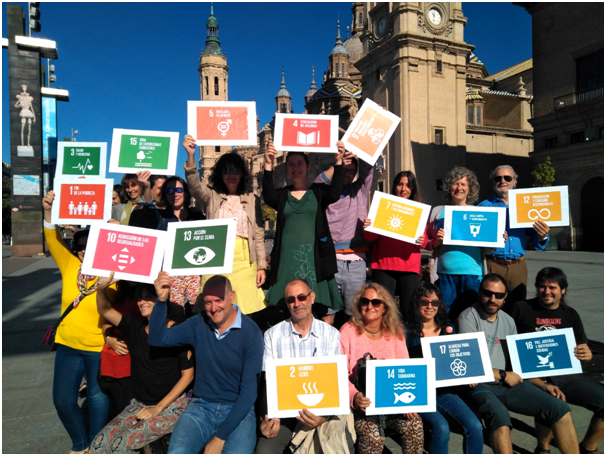
According to the SDG index, Spain is far from achieving any goal due to lack of relevant government action. For the 2nd birthday of the SDGs, Spanish civil society organized a high-level event in Madrid with politicians, UN representatives, leaders and activists. Supported by the organizations of the coalition Future in Common, the event was a big success – it trended on the social media networks (#SpainSDG) and a government representative made a suprising and long-awaited announcement at the end that a high level inter-ministerial mechanism under the Prime Minister would run the implementation of the Agenda in Spain, something Future in Common had advocated for.

For civil society, this will be key to making the Agenda relevant. Currently, 70% of the European countries have yet to implement the Agenda into governance structures. For the next steps, civil society will advocate for an adequate gap analysis, a National Strategy, an adequate participation in the HLPF and a forward-looking position regarding the Future of Europe debate. The turtle is starting to move.