Regeneration – Sustainability – Integration – El Valle

By La Bolina, Spain

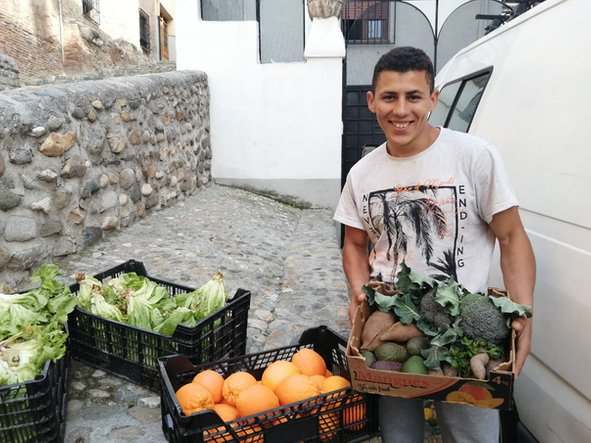
 We’d like to introduce Charaf (pictured above) who is officially moving to El Valle today as La Bolina’s first full-time paid member of staff! Over the last year Charaf has taken part in our training programme ‘Cultivando Futuros’, been mentored by La Bolina co-founder and agroecology trainer Habiba and taken responsibility for our piece of land in Granada. He will now be working on the land in El Valle everyday growing the ecological vegetables that we sell. “I am very happy to be working with La Bolina and to be moving from the city to live in El Valle” he says. Receiving a work contract from La Bolina means that Charaf has been granted residency to live in Spain, two years after leaving Morocco on a boat age 18. It was a suspenseful time waiting to find out if he’d received residency. I asked him how he felt when co-founder Maria told him the news: “I was very happy and content because now I can go to see my family again.”

And we couldn’t be happier: Charaf is a fast learner, dedicated worker and has a great sense of humour. We can’t wait to see what’s going to happen over the next few months as he joins us in El Valle full time. Next stop – driving lessons!

 In January the wonderful Gabija and Dario joined our team as volunteer coordinators. They’ve been putting new energy and love into the ‘Hub’ – our shared house in Saleres – and are supporting many aspects of the project. Two European Solidarity Corps volunteers have recently joined us for 6 months; Nils is kick-starting our social media, making videos and helping run events and Franky’s getting her hands dirty on the land. You can read more about Franky’s experience (and challenges) in her first blog post – she’s going to be doing updates from the land so you can follow her journey.

 Granada-based photographer Ana has joined the team to support communications one day per week, so if you haven’t yet, check out the new website she’s made for us.

 Our recent volunteers Ana, Torild, Matilde and Jess have now left to volunteer or work with other projects – thank you all for your incredible energy!

 We’ve got a great team of day volunteers who help out on the land on Thursdays. If you’re interested and can join regularly on Thursdays please get in touch – participa@labolina.org

 The dedication and care of these people are producing a rather marvellous range of vegetables! The land is looking incredible – come and see for yourself!

#EuropeanFootprints #WhatDoYouCareAbout stories for a sustainable future: Energy

By Giulia, Italy

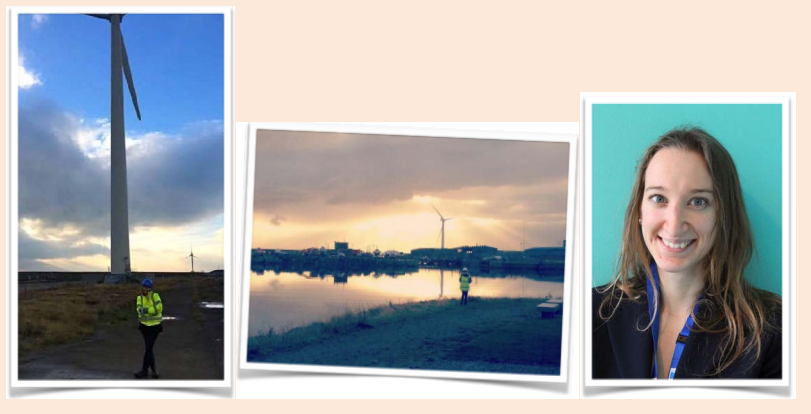
I am proud of having lived in Scotland for many years, a country that is striving to gain 100% of its electricity from renewable energy sources by 2020. Although I studied in Aberdeen, the Oil and Gas Capital of Europe, I realized shortly after my graduation that renewable energy was the way forward. Community energy projects, where communities fund the assets to produce renewable energy by themselves, are getting popular in Scotland. My two favourite ones are the Aberdeen Community Hydro Projects and the Levenmouth Energy Project, to which I personally contributed. The latter is a unique circular economy project which produces green energy to power one of Europe’s largest hydrogen vehicles fleets. However, due to the current electricity regulatory framework, it is still hard to fully become “prosumers”, and to be involved in both production and consumption of energy at the same time. Therefore, I developed a business idea to bring together small producers of renewable energy (i.e. families with solar panels on the roof of their houses) so that they can sell their surplus electricity. I did this through developing a platform which uses blockchain – the technology through which the tracking of electricity and payments from energy producers to the final consumers can be done safely and securely. With this, even small producers can enter the electricity market and ultimately contribute to achieving affordable and clean energy for all. 

I presented this business idea to the UN Innovation Lab for Sustainable Development Goals, the first of its kind. A year later, I presented my idea at Microsoft Italia through a contest where I became a finalist. Inspired by the energy of like-minded young Italians, I co-created YOUNG – Youth Organisation for United Nations Sustainable Development Goals, the first Italian NGO dedicated to the SDGs. I presented our organisation at the 24th Conference of the Parties to the United Nations Framework Convention on Climate Change. In 2018, I also participated as a youth speaker to G-STIC, the Global Sustainability Technology and Innovation Conference, with the UN Major Group of Children and Youth where I talked about energy positive communities like the Scottish green hydrogen project I helped commission. Getting involved in these networks is an important step in establishing successful partnerships to realise the Sustainable Development Goals.

HLPF Review process

By Deirdre de Burca, steering group member of SDG Watch Europe

For those of you who are interested in the HLPF Review that will unfold this year, please find here a document from the Co-Chairs of this review process outlining the key issues that they will consider during this official review.

This is an important advocacy moment for civil society because the HLPF is the global-level review mechanism for the Voluntary National Reviews (VNRs) of SDG implementation that are presented by governments. These VNRs are prepared at a national level and many national CSOs influence or try to influence these national progress reports.

Therefore it is important to read the document attached to find out what the Co-Chairs of the HLPF Review are going to focus on during the HLPF Review. If your organisation is interested in doing any advocacy related to the review – either individually or collectively- it should target this advocacy at (i) the Co Chairs of the HLPF Review process – the Georgia and Benin Ambassadors to the UN and (ii) its own national government – which as a UN Member State will ultimately adopt (or otherwise) the recommendations of the Co-Chairs linked to the review. 

For more information please contact Deidre de Burca.

There are some good position papers on the review process useful for advocacy:

Gender-based violence and environment linkages

By Itzá Castañeda Camey, Laura Sabater, Cate Owren and A. Emmett Boyer

Jamie Wen, editor. Published by IUCN

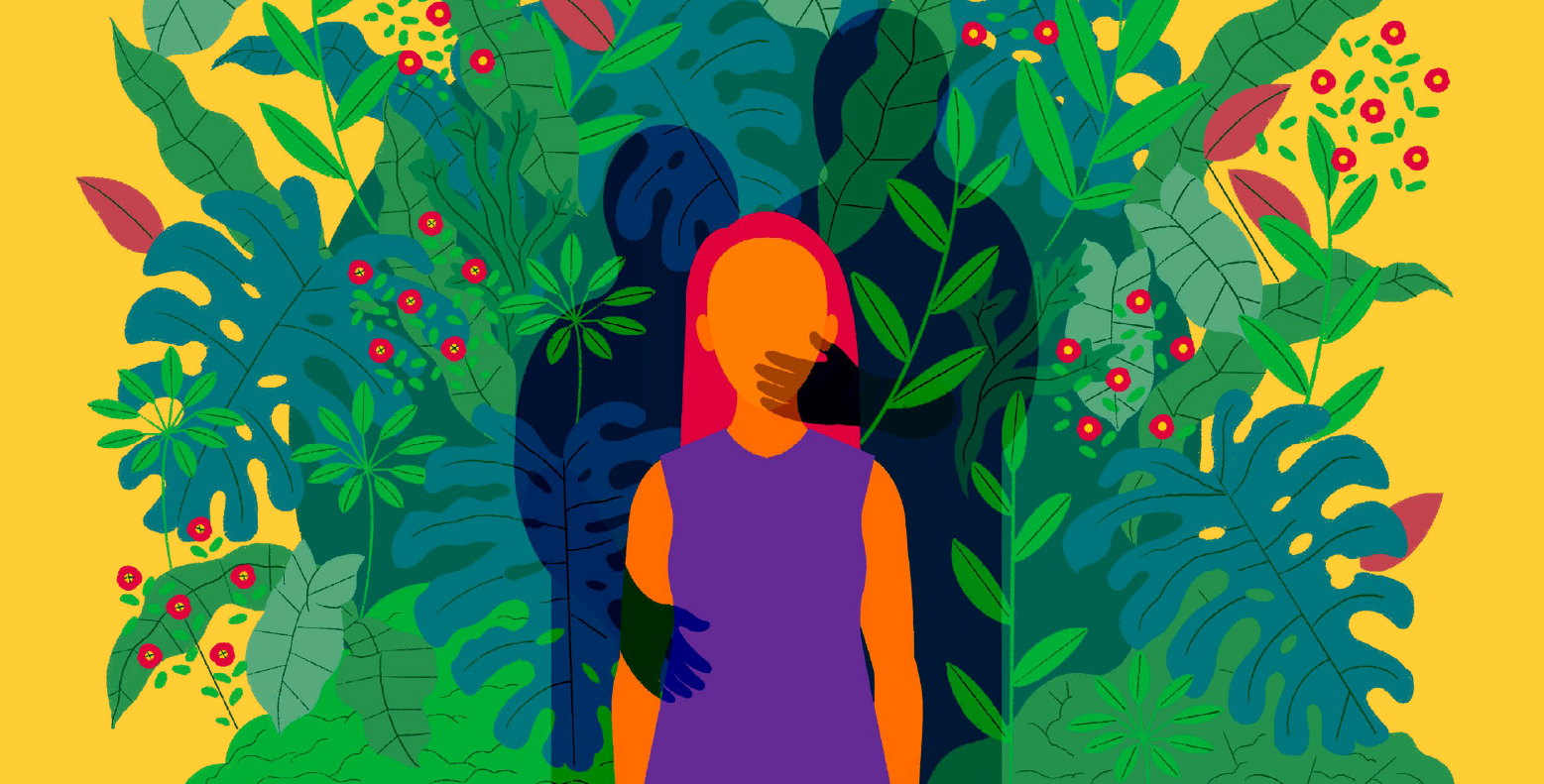
Around the world, it is estimated that one in three women and girls will experience gender-based violence (GBV) during their lifetime (World Bank, 2019). Rooted in discriminatory gender norms and laws and shrouded in impunity, GBV occurs in all societies as a means of control, subjugation and exploitation that further reinforces gender inequality. This publication, Gender-based violence and environment linkages: The violence of inequality, establishes that these patterns of gender-based abuse are observed across environmental contexts, affecting the security and well-being of nations, communities and individuals, and jeopardising meeting sustainable development goals (SDGs). While linkages

between GBV and environmental issues are complex and multi-layered, these threats to human rights and healthy ecosystems are not insurmountable. Research findings demonstrate that ending GBV, promoting gender equality and protecting the environment can be positively linked in ways that contribute to securing a safe, sustainable and equitable future.

Purpose and approaches

Gender-based violence and environment linkages: The violence of inequality establishes a knowledge base for understanding and accelerating action to address GBV and environmental linkages. Developed by the International Union for Conservation of Nature (IUCN), in collaboration with the United States Agency for International Development (USAID) as part of the Advancing Gender in the Environment (AGENT) partnership, this publication aims to raise awareness and engage actors working in environmental and sustainable development, gender equality, and GBV policymaking and programming spheres to inform rights-based, gender-responsive approaches to environmental policy, programmes and projects.

Gender-based violence and environment linkages: The violence of inequality consolidates vast knowledge and experiences gathered from across sectors and spheres, serving as a robust reference for policymakers and practitioners at all levels to understand issues and potential interventions to address GBV as it relates to the environment. Over 1,000 sources of information, experiences and interventions from international stakeholders, national governments, civil society, environmental practitioners and policymakers, advocates and activists, and academics relating to GBV across environmental contexts from around the world were reviewed. At various stages of drafting this publication, the research further benefited from key informant interviews, input from experts through a validation workshop and extensive feedback from peer reviewers. Additionally, a survey (referred to as the GBV-ENV survey) and a call for case studies on GBV and environment linkages added to this research, garnering over 300 responses and 80 case submissions documenting evidence, promising practices and capacity needs from a broad array of stakeholders. The GBV-ENV survey responses included a range of accounts in which GBV has been a barrier to conservation and sustainable development. Fifty-nine per cent of the survey respondents noted they had observed GBV of some type (from sexual, physical and psychological violence, to trafficking, sexual harassment, sexual coercion – rape in specific cases – child marriage linked to environmental crises, and more) in the course of their work to implement environmental and sustainable development projects across issues relating to women environmental human rights defenders (WEHRDs), environmental migrants and refugees, specifically-listed types of environmental crimes, land tenure and property rights, Indigenous Peoples, protected areas, climate change, energy and infrastructure, extractive industries, water, disaster risk reduction, forestry and biodiversity and the access, use and control over natural resources. Meanwhile, survey responses made it clear that knowledge and data gaps, tools and capacity-building are all needed to tackle GBV-environment linkages. Seventy-one percent of respondents noted that staff awareness and understanding of GBV-environment linkages was needed to address GBV.

Key messages

This analysis reveals the complex and interlinking nature of GBV across three main contexts explored in this paper: access to and control of natural resources; environmental pressure and threats; and environmental action to defend and conserve ecosystems and resources. Gender inequality is pervasive across all these contexts. National and customary laws, societal gender norms and traditional gender roles dictate who can access and control natural resources, often resulting in the marginalisation of women compared to men. Threats and pressures on the environment and its resources amplify gender inequality and power imbalances in communities and households coping with resource scarcity and societal stress. Discriminatory gender norms and stereotypes even shape the differentiated treatment of women and men working to protect and conserve the environment, ultimately affecting the effectiveness and success of outcomes.

Across contexts, expressions of GBV maintain societal and cultural gender inequalities and norms, forming a feedback loop to the detriment of livelihoods, rights, conservation and sustainable development. GBV is a systematic means of control to enforce and protect existing privileges around natural resources, maintaining power imbalances that create tensions within families, between communities and among involved actors. Furthermore, where the enforcement of the rule of law is limited, GBV abuses are used to enable illicit and illegal activities through sexual exploitation and/or to exert control over communities. As Indigenous communities are often on the frontlines of defending their territories, resources and rights from extractive projects and corporate interests, many Indigenous women face intersecting and reinforcing forms of gender-based and other violence (Wijdekop, 2017).

Read the whole report here: https://portals.iucn.org/library/sites/library/files/documents/2020-002-En.pdf

MEPs for SDGs launch

By Khaled Diab, EEB

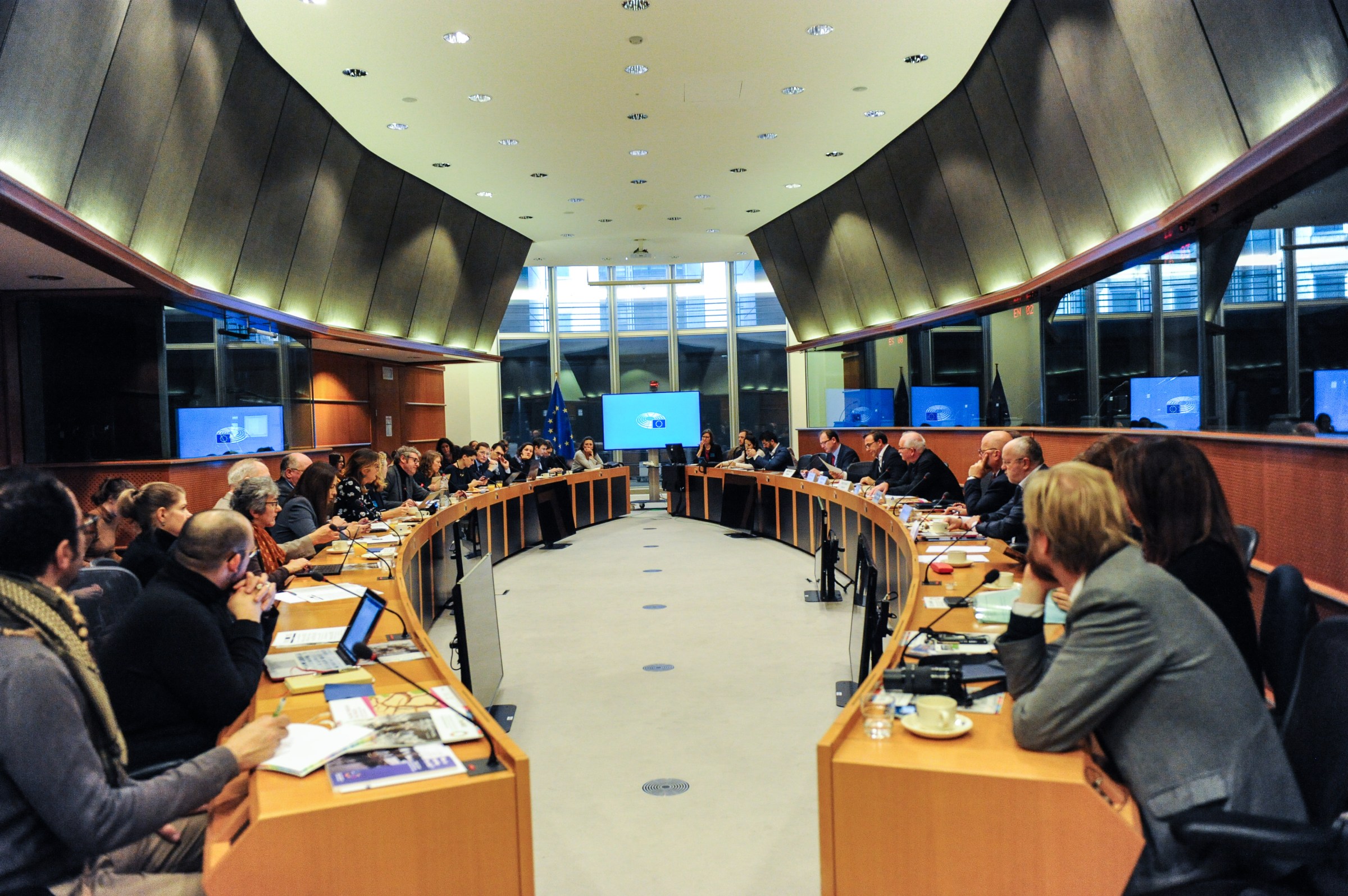
A new campaign is recruiting European parliamentarians to champion the UN’s Sustainable Development Goals (SDGs) in the corridors of EU power. Several MEPs spoke at the launch

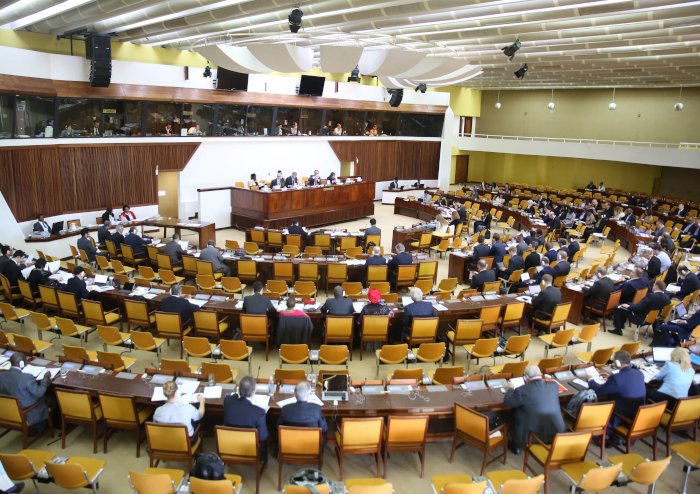
On Wednesday 19 February, the European Parliament hosted the launch of the MEPs4SDGs campaign, which seeks to encourage European parliamentarians to champion the cause of the Sustainable Development Goals in Brussels.

The SDGs are a holistic set of 17 ambitious targets, expressed in the 2030 Agenda, agreed by the international community in 2015 which seek, among other things, to eradicate poverty, narrow inequalities, tackle global warming, protect nature and ensure that humanity lives within the boundaries of the planet.

Hosted by German Social Democratic MEP Udo Bullmann, the event brought together parliamentarians with civil society. Among the MEPs in attendance were Barry Andrews of the republican Fianna Fáil in Ireland, Petros Kokkalis of the Coalition of the Radical Left in Greece, Bert-Jan Ruissen of the conservative Reformed Political Party in the Netherlands, Christel Schaldemose of the Social Democrats in Denmark, Juozas Olekas of the Lithuanian Social Democratic Party, Marc Angel of the Luxembourg Socialist Workers’ Party and Marc Tarabella of the Socialist Party in Belgium.

A sustainable species of love

Some of the attendant parliamentarians were longstanding SDG enthusiasts. “I’m very much in love with the SDGs,” confessed Angel, expressing a special affection for SDG5 (gender equality) and SDG16 (peace, justice and strong institutions).

Angel dons an SDG-themed badge on his lapel but, disappointingly for him, many of his fellow parliamentarians do not recognise the symbol and some have never heard of the SDGs.

Civil society was represented by a number of organisations, including the European Environmental Bureau (EEB), SDG Watch Europe and the Global Call to Action Against Poverty (GCAP).

“For the first time, we have a global strategy for sustainability,” Bullmann told the audience. “The [Ursula] von der Leyen Commission has placed SDGs at the policy forefront.”

“The new Commission is a major change compared to the previous Commission, which marked an era of austerity, widening inequalities and little concern for the environment,” observed the EEB’s Director for Global Policies and Sustainability Patrizia Heidegger. “SDGs have been put at the forefront. True. But is that just to please civil society or will they guide the formation and implementation of EU policies?”

Sustainability heroes

Despite progress in some areas, Europe, like most of the world, has fallen behind on its implementation of the SDGs, both at home and abroad, and, without the redoubling of efforts, is in danger of missing the 2030 deadline for achieving the SDGs. This is reflected in such areas as the widening inequalities within Europe and in how the EU exports misery to other parts of the world.

The coming decade is not only crunch time for the climate, as experts have waned, it will also make or break the 2030 Agenda. “We have no time to lose anymore, when it comes to climate action or global inequalities,” said Ingo Ritz, director of programmes at GCAP. “As MEPs, you have an important role to play as ambassadors for the SDGs and as sustainability heroes.”

MEPs4SDGs is the second phase of the ‘Sustainability Heroes’ campaign launched by the EEB and its Make Europe Sustainable for All (MESA) partners that have organised events and actions across the EU.

On behalf of SDG Watch Europe, the EEB sent out a job ad for ‘Sustainability Heroes’ to members of the European Parliament. The EEB also took to filmmaking. In a light-hearted animated film produced on behalf of SDG Watch Europe, a selection panel inspired by the pantheon of ancient gods interview prospective MEPs for the role of Sustainability Heroes.

The elephant in the Green Deal

The EU’s flagship European Green Deal not only seeks to transform Europe into a “climate-neutral continent” but to do so through a just transition that leaves no one behind. The Green Deal covers a broad spectrum of policy areas, such as clean energy, sustainable industry, sustainable mobility, sustainable food systems, biodiversity and eliminating pollution.

The launch of the MEPs4SDGs campaign featured a roundtable debate on how to ensure that the European Green Deal acts as a driver of sustainability and what the European Parliament’s role would be in forging this dynamic.

“There is a risk that the SDGs will be sidelined and bypassed in the rush to implement the Green Deal,” argued Patrizia Heidegger, who explained the new flagship policy was not designed specifically with the SDGs in mind, but these were grafted on later. “Reducing poverty and inequality is absent for the Green Deal. Speaking of a just transition alone is not enough.”

“There is no Green Deal without a red heart,” insisted Marc Angel. “The environment and society have to go hand in hand.”

Udo Bullmann feared that the budget so far earmarked for the European Green Deal was not sufficient to meet the initiative’s ambitions and goals. “Finance is the elephant in the room,” agreed Heidegger.

“It’s unthinkable that we could save the financial system but not the ecosystem,” reflected MEP Petros Kokkalis. “But where there’s a will, there’s a way. It’s up to us to up our game.” Kokkalis proposed replacing the EU’s Stability and Growth Pact, an agreement intended to maintain fiscal discipline within the euro area, with a Climate, Security and Sustainability Pact.

The EU budget is a key battleground in this regard. “It’s important to unite our efforts regarding the [Multiannual Financial Framework]. We should not vote for the MFF if it doesn’t achieve our needs,” said Juozas Olekas.

But it should not stop there. Efforts need to be made to convince national governments to harness their own budgets to serve the objectives of the European Green Deal. “The greatest financial resources are in national capitals. We need to work at both the national and European levels,” noted Bullmann.

One way to ensure that the Green Deal and the EU budgets served the SDGs was to form alliances across party lines, a few of the MEPs noted. “Denmark has a cross-party group for SDGs which has been quite successful,” Christel Schaldemose pointed out. “At the European Parliament, we need cross-party support, otherwise we can’t deliver on the SDGs.”