Europe is experiencing an economic recovery but many new jobs do not lift people out of poverty

By Christian Nielsen, European Anti-Poverty Network (EAPN)

The latest forecasts tell a story of economic recovery. Europe is emerging out of a decade-long slump that nearly crippled a handful of countries and hampered employment and growth numbers in the rest. People are working again, industry is growing and business confidence is up, except perhaps in Brexit-paralysed Britain. This is surely good news for people living in poverty.

Or not. All this economic good cheer ignores a persistent and often under-reported problem in ‘wealthy’ Europe… having a job means little if it is poorly paid, unregulated, unstable or just plain unfair. This was the general sentiment at a recent EU-backed meeting in Brussels organised by the European Anti-Poverty Network (EAPN) which heard from a range of people experiencing poverty, especially the working poor.

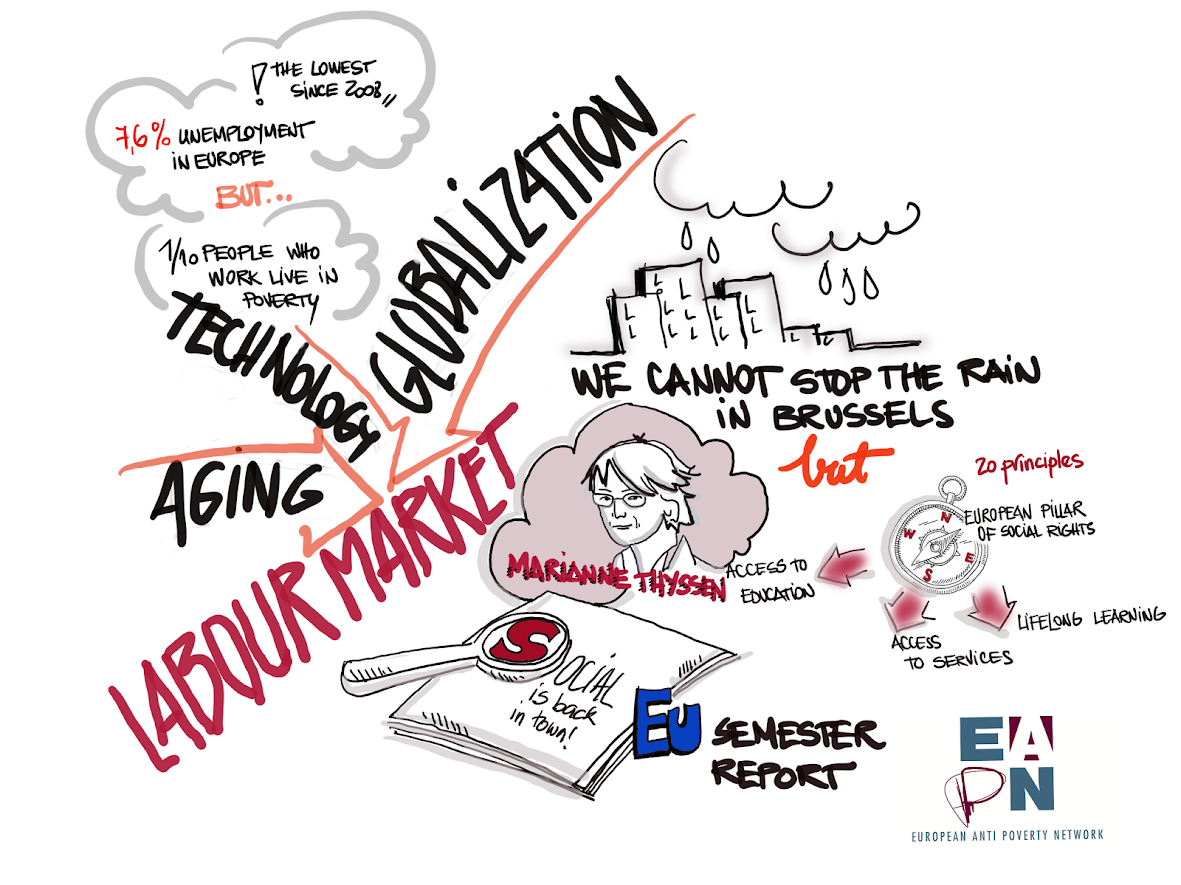
The European Union’s unemployment rate is currently around 7.5%, which is the lowest rate recorded in the bloc since December 2008. But according to a new EU report on ‘In-work poverty in the EU’, the number of European workers at risk of poverty has actually increased, from 8% in 2007 to 10% today.

Europe knows it has a problem and that there is a window of opportunity in the early stages of the recovery to tackle it. European Commissioner Marianne Thyssen, whose responsibilities include employment and social affairs, acknowledged this using Bob Dylan as inspiration. “The times, they are a-changin,” she said, and everyone — governments, industry, social partners, unions — needs to ensure no-one gets “left behind or pushed aside” in this changing world.

Yet the stark reality is that Europe’s recovery is opening up an economic no-man’s land between the rich and the ‘working poor’. This is a precarious place — especially for the 70 million Europeans who lack the skills or basic numeracy to take full advantage of the digital revolution — where even Europe’s much-vaunted social system seems unable to gain ground. It’s occupied by a growing class of Europeans who are not poor enough for many of the social services and not rich enough to afford decent accommodation and good health, or to start a family, move away from home…or simply to enjoy the benefits of a ‘living wage’.

“We live in a world of plenty but wealth is concentrated in fewer and fewer hands,” said EAPN’s Director Leo Williams. This is an “absurd paradox”, he added, in light of the recent Paradise Papers tax-avoidance scandal.

Flexibility leads to poverty

The causes of this wealth gap are entrenched in labour market principles which are geared towards flexibility and dynamism in order to stimulate growth, new jobs and mobility. But in practice, it engenders a power imbalance between workers and employers which translates into something called ‘low work intensity’. For others, it means low-paid or minimum-wage work, and for Europe’s legions of under-employed youth and graduates it means a succession of internships and other ‘non-standard’ or exotic working conditions crafted by employers to keep labour costs in check. This imbalance has direct consequences on the working poor, ranging from difficulties meeting childcare costs and poor or no housing, to high stress and failing health.

In this report, in-work poverty means household income is below the poverty line or threshold despite a full or part-time worker living there. The poverty threshold is defined as under 60% of the average household income (before housing costs).

Real-life struggles told by delegates invited from all over Europe to the ‘people experiencing poverty’ meeting were aimed at EU policy-makers and social actors. A single mother of four spoke of a life “treading water” and feeling socially excluded in the UK. “We really want justice, not judgement,” she said, and to be “cared for, not criticised” by society.

A delegate from Portugal said that even with two household incomes — one full-time and one part-time — her family struggled to make ends meet. Failing health and dwindling disposable income offered little hope for her children’s future. “I want work and stability… to be able to live not only survive,” she said.

Great stock has been put in the new European Pillar of Social Rights to guide the EU towards a more inclusive model of fair jobs and economic growth. Europe’s leaders recently gathered at a summit in Sweden to discuss a wide range of issues — education, training, lifelong learning, social protection, housing, fair wages, old-age pensions, in-work poverty, etc. — and to pledge support for the Pillar.

But for the quiet-spoken Croatian delegate back at the ‘people experiencing poverty’ meeting, who lamented the broken financial and political systems that can’t even prevent homelessness in ‘wealthy’ Europe, the imminent future looks less hopeful. He wondered how he would be able to afford to leave the shelter he calls home when his earnings are swallowed up by his poor health and the struggle for daily survival.

The European Anti-Poverty Network (EAPN) is the largest European network of national, regional and local networks, involving anti-poverty NGOs and grassroot groups as well as European Organisations, active in the fight against poverty and social exclusion.
Italy – Fifth advocacy meeting for Salesian organizations

By Ángel Gudiña Canicoba, Don Bosco Network (DBN)

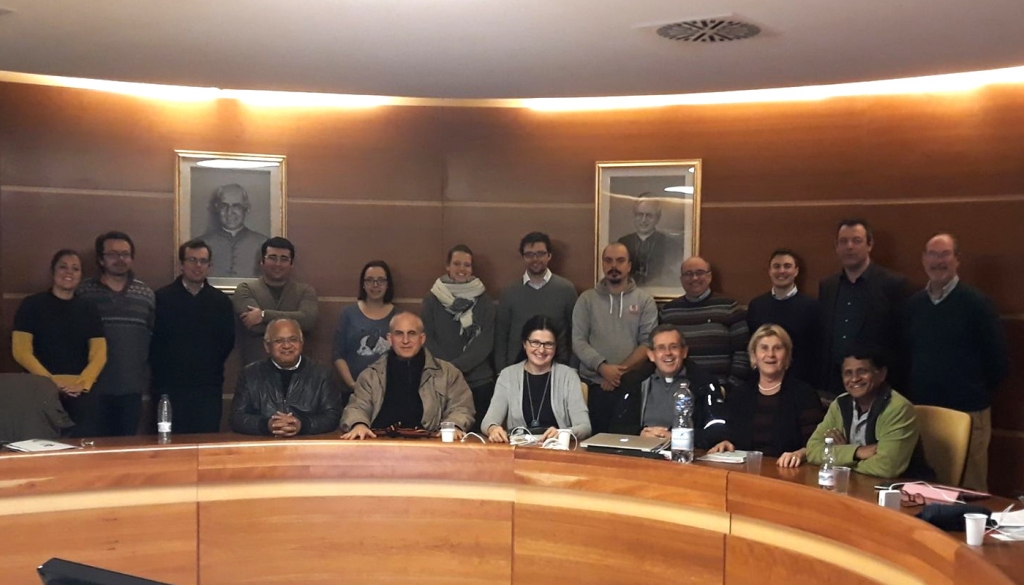
On 26 February, the federation of Salesian development NGOs – Don Bosco Network (DBN) – organized the 5th advocacy meeting for Salesian organizations in Rome, supported by Don Bosco International (DBI). The participants included over 20 representatives of Salesian organisations, including General Councillors for Missions and Youth Ministry, Fr. Guillermo Basañes and Fr. Fabio Attard, who shared their advocacy actions in several fields. Among the topics discussed were the Agenda 2030 for Sustainable Development, with a special focus on organizing the contribution for the Voluntary National Reviews and the HLPF of July 2018. Another key topic was migration with input from the Vatican Migrants’ and Refugees’ Section present in the Holy See document on UN Global Compacts.

DON BOSCO NETWORK (DBN) is a worldwide federation of Salesian development NGOs, formally registered in 2010 in Italy, whose vision, mission and actions are inspired by the values and principles expressed by the Gospel, the Teaching of the Catholic Church under the guidance of the Salesian congregation.

Report: European stakeholders provide their views on making the future EU budget more sustainable – but is the European Commission listening?

By Klára Hajdu, CEEweb for Biodiversity

Budget Commissioner Günther Oettinger has been touring the Member States in the last months to debate the future of the EU budget post 2020. He also says he has listened to the views of stakeholders during citizens’ dialogues. However, the debate has focussed on the new priorities from the very beginning, side-lining the equally crucial, though in some sense clearly more sensitive points about the quality of the spending. Since 2016, SDG Watch Europe within the People’s Budget campaign has been calling on the European Commission and the European Parliament for a sustainability reform of the EU budget – a reform that increases policy coherence, prevents wasteful spending and delivers tangible results in the wellbeing of the people and improves the quality of the environment.

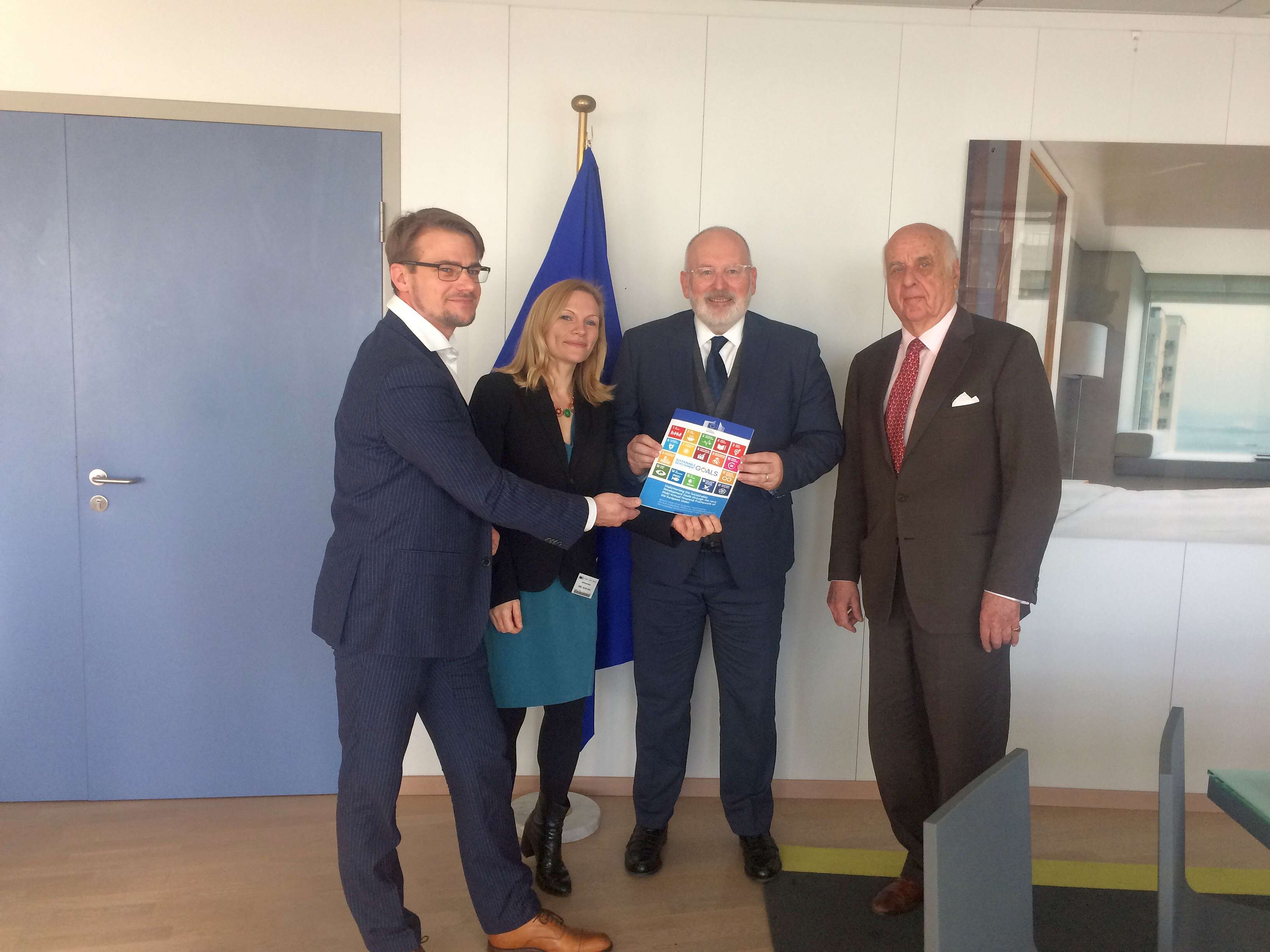
On 20 March, the MFF subgroup of the Multi-stakeholder Platform, which aims to advise the Commission on the future EU budget with a view to implement the Sustainable Development Goals, handed over their recommendations to First Vice-President Timmermans. This short and ambitious report, which reflects the opinion of CSOs from various fields, trade unions, businesses, academic institutions and individual experts, provides innovative, but still efficient measures so that the future EU budget better delivers. We hope that the European Commission will eventually listen to our advice.

Civil society vital to scrutinize governments’ progress on SDGs: NGOs develop new engagement mechanism for UNECE Regional Forum on Sustainable Development

By Patrizia Heidegger, EEB

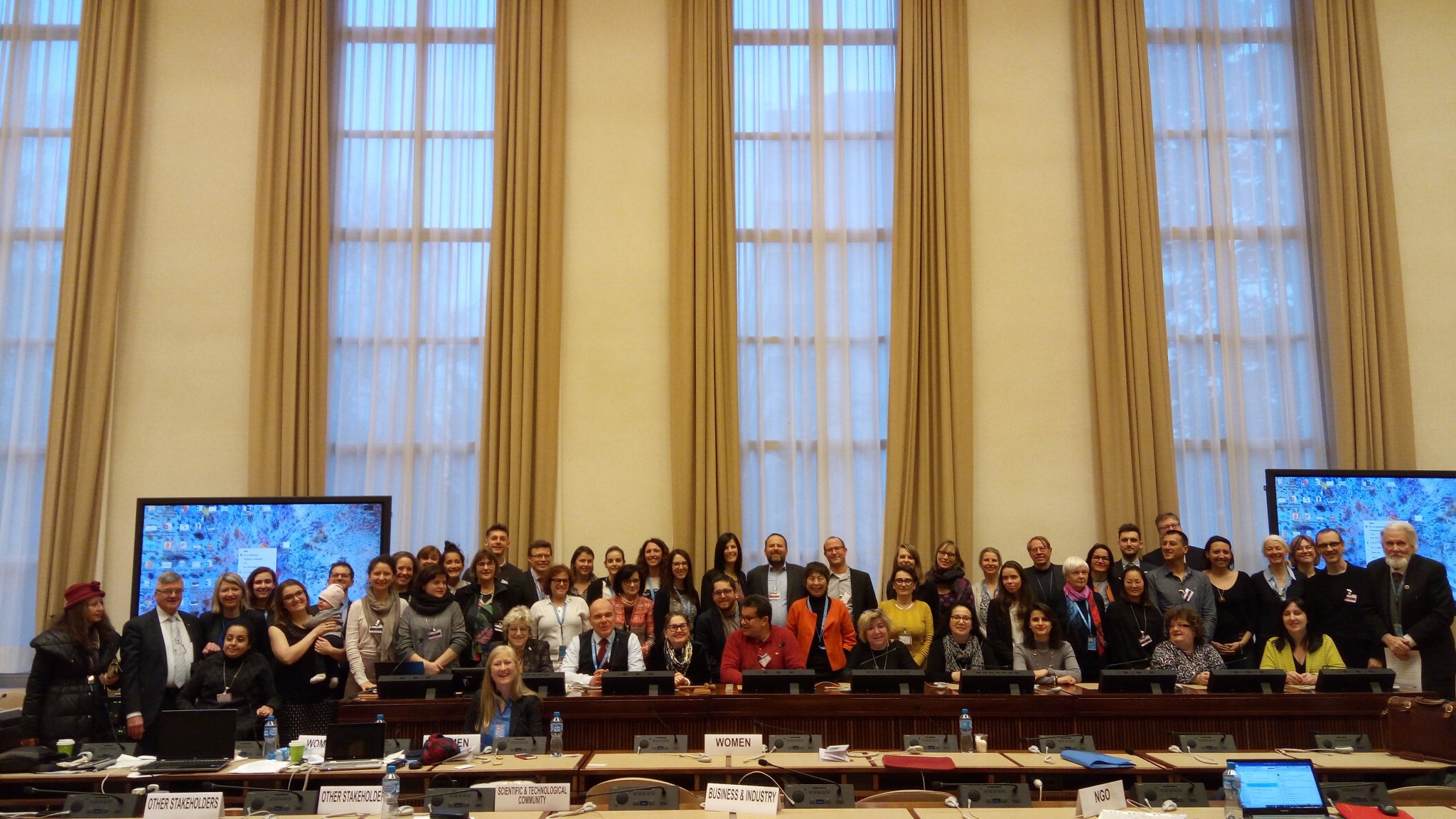
When governments from across Europe gathered in Geneva on 1 and 2 March to exchange about how they are progressing on the 2030 Agenda and its Sustainable Development Goals (SDGs), civil society was ready to scrutinize their performance. This year’s Regional Forum for Sustainable Development for the UNECE (RFSD) – shorthand for the United Nations Economic Commission for Europe which covers countries from both within the EU and beyond, including the Caucasus and Central Asia – focused on the goals on clean water and sanitation, affordable and clean energy, sustainable cities and communities, responsible consumption and production, and protecting the natural environment.

During the Forum, government representatives preferred talking about best practice examples rather than the measures they are taking to bring about the systemic change needed to achieve sustainable development. The role of public interest groups is crucial to ensure governments are properly taken to account, to provide an assessment of the gaps and shortcomings, and to present progressive solutions.

Since last year’s meeting, civil society organisations have developed a concept note on a Regional Civil Society Engagement Mechanism (RCEM) in order to institutionalise the participation of CSOs in all stages of the follow up and review of the SDGs at UNECE level. While the new mechanism is being set up, civil society representatives this year gathered during a full day preparatory meeting to bring together advocates for sustainable development from across the UNECE region as well as from different civil society sectors to agree on key messages and demands towards the assembled governments. Civil society seized the space offered by the Forum with a powerful opening speech, as panelists during various round table discussions and also in the closing session when Pat Clarke, SDG Watch Europe member from the EU Disability Forum, said in the joint CSO statement: “We strongly believe that the primacy of human rights & environmental protection must be reaffirmed over finance, trade & monetary rules!”.

The full participation of civil society organisations remains a challenge. First, governments in the region need to be supportive of meaningful civil society participation. On a more practical level, many CSOs lack the capacity and resources to get more involved in or even attend the Forum. But there are ways to engage: different networks such as the International Forum of National NGO Platforms and projects such as Make Europe Sustainable For All are working on training materials and webinars, while civil society is organised by a voluntary network through the Major Groups – including dedicated working groups. Subscribe to the mailing list by contacting our colleague Andreia Da Silva at WECF (andreia.dasilva@wecf.org). Join us and get active!