Global Day of Solidarity on 22 May – #StrongerTogether – in response to COVID-19 crisis

By Global Call to Action Against Poverty (GCAP)

You can read the original article on GCAP’s website here.

The COVID-19 crisis has highlighted and worsened systemic inequalities. During the lockdown, 80% of urban workers in India have lost their livelihoods, and globally the level of extreme poverty has skyrocketed. People worldwide are facing health problems, loss of income, hunger and violence. Human rights abuses have also worsened, and structural racism in countries such as the US has been thrown into the limelight.

Many of us are working with people in need and demanding governments respond to support the most vulnerable. But this is not enough. We need global solidarity and joint action for those especially affected by the crisis.

This is why we came together on the Global Day of Solidarity on 22 May 2020. Thanks to all who joined! GCAP in collaboration with many other CSOs mobilized people around the world to raise their voices in solidarity with each other and to call on governments to work together at the global level. 

The results are impressive – especially on social media. Using #StrongerTogether in combination with “solidarity” there were at least 6,000 posts which reached 43 million people & 126 million impressions in 100+ countries.

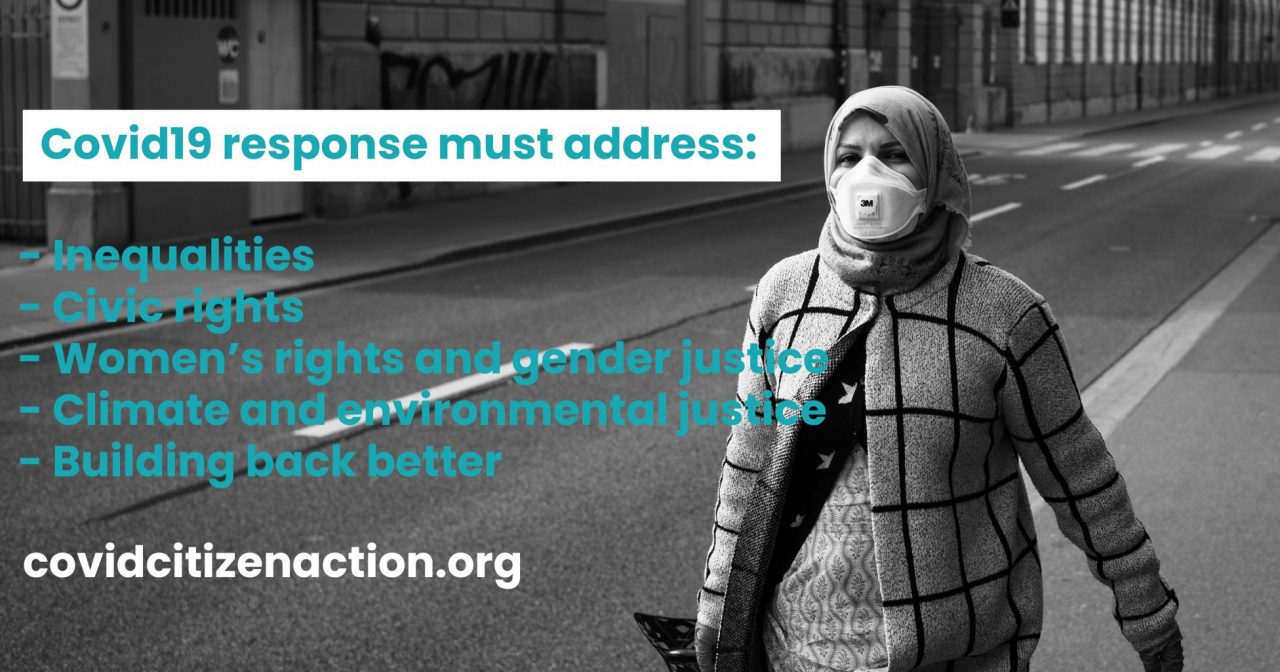
Over 700 organizations have now signed the Joint Civil Society Statement and 12-point plan for governments and the UN on the COVID-19 response at covidcitizenaction.org. Many GCAP National Coalitions have sent letters to their governments based on the joint statement, and the press release was also covered by several media.

GCAP members from Bangladesh to Ghana to Lithuania to Argentina shared their messages on how we can be #StrongerTogether to overcome COVID-19 and also stand together (#IStandWith) with the most vulnerable.

Three GCAP regions highlighted the challenges:

  • LAC: COVID-19 pandemic deepens inequalities in Latin America and the Caribbean

Beyond the effects of the COVID-19 pandemic, it is very clear that this health emergency has highlighted the profound inequalities in our societies, aggravating the global crises in which we find ourselves. In addition to those already difficult circumstances in the region LAC, we live in a context of many threats and setbacks for civil, political, economic, social, cultural and environmental rights.

Read more of GCAP LAC’s statement on the region’s challenges that are exacerbated by this health crisis

  • Africa: Women and Girls with Disabilities in the Fight Against COVID-19

“I live with my daughter who helps with selling water on the street. My daughter’s husband who used to support us was involved in an accident and is bedridden, so I am left with only my daughter. Ever since the lockdown started, my daughter cannot go out and sell the water to support us in the house.” Elizabeth Antwiwaa, a visually impaired woman in Kumasi, Ghana

Women and girls with disabilities represent more than half of all persons with disabilities worldwide and almost 20% of all women worldwide. But their needs and rights are largely unmet, clothed in invisibility. These existing gender, age, disability and structural inequalities in public and private environments are being exacerbated by the multifaceted impact of the COVID-19 crisis. 

Read more in Leave No Woman Behind statement addressing these concerns: Lift the Veil of Invisibility of Women and Girls with Disabilities to Hear Their Voices and Address Their Rights and Needs in the Fight Against COVID-19.

  • Asia: We Are All Vulnerable, But Some More Than Others

Eighty percent of urban workers in India have lost their livelihoods. Nearly half of all households across the country do not have enough money to buy a week’s worth of essentials.

Migrant workers constitute more than 90% of COVID-19 cases in Singapore, as overcrowded dormitories and initial inattention compromised foreign worker health.

The Dalits, groups that encounter recurring prejudice and inequitable treatment due to their work and descent, face discrimination in COVID-19 disaster responses.

GCAP Asia’s statement addresses these and other inequalities related to COVID-19. Released in advance of the 7th Asia-Pacific Forum on Sustainable Development, it calls on leaders to act.

Global Call to Action Against Poverty (GCAP) supports people in their struggles for justice and brings individuals and organisations together to challenge the institutions and processes that perpetuate poverty and inequalities. Together, we defend and promote human rights, gender justice, social justice, climate justice and the security needed for the dignity and peace of all. GCAP is a network of over 11,000 civil society organisations organized in 58 National Coalitions and in constituency groups of women, youth and socially-excluded people, among others.
COVID-19 response, emergency intervention in the rural communities

By World Vision Romania

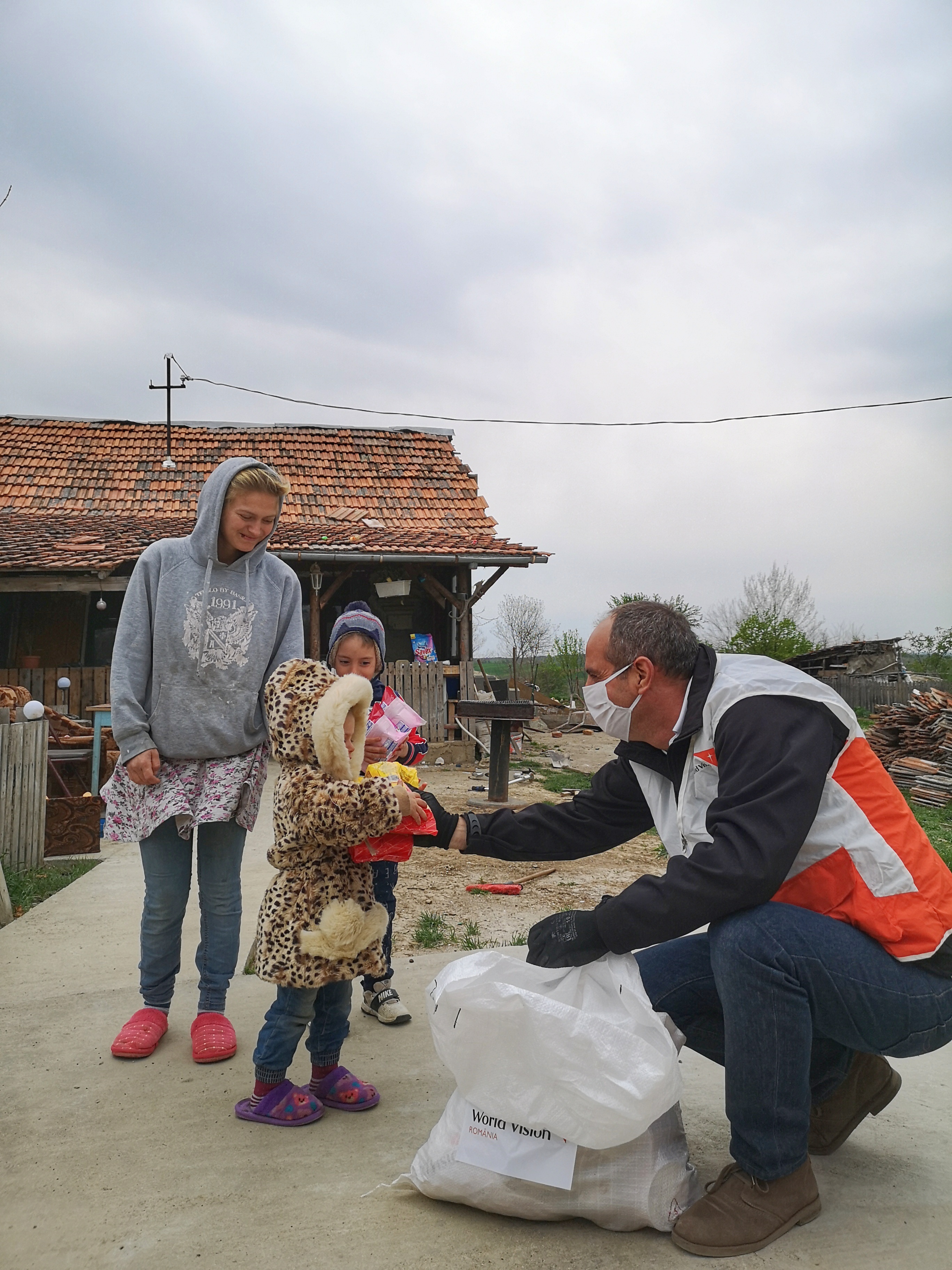
The life of children and families in the villages where World Vision Romania is active has always been tough due to difficult access to proper food, medicines, and hygiene products, amongst other factors. Now, because of the current pandemic, their situation has become even more desperate. 

World Vision Romania is there and through our intervention we aim to help 7,500 families and 14,000 children in various ways so that they can still lead a normal life, as much as possible, in the following ways:

  • Supporting digital education in every possible way and with all the resources that we have. Children must continue to study. 
  • Providing packages with food, hygiene products, school materials and activity packs, and even electronic devices, internet SIM cards and other basic products. 
  • Connecting with children and their families and monitoring their health. We provide psychological counselling to those in need, via phone or online. 

People can donate to help sustain our intervention via text message: text SPERANTA to 8864 (SPERANTA means HOPE); each message equals 4 euro or donate online at https://worldvision.ro/coronavirus. All donations help us to support vulnerable families from rural areas survive the crisis. All individuals and companies who have necessary resources for rural families (food, hygiene products, digital infrastructure) are kindly asked to contact us at: donatori@wvi.org.

Please see more details about our response below:

We provide material support:

  • Disinfectants, protection masks, gloves, chlorine, water, toilet paper, wet napkins and other hygiene products;
  • Food packages for those placed in quarantine;
  • School materials, activity packs, games for the children isolated at home;
  • Electronic devices (tablets, computers) and internet SIM cards so that even children living in remote/isolated villages can have access to digital education during the coronavirus pandemic.

We provide digital home schooling:

  • We have identified solutions for distance communication with children via phone, apps, online platforms, e-learning and videoconferencing;
  • More than 5770 children can attend online courses via the “The School in a Box” e-learning platform;
  • 12th grade students from “I want in the 9th grade”  take part in remedial activities online. Hundreds of other high school students attend online personal development workshops. Students without access to internet or digital devices keep in touch with teachers via phone.

We provide counselling and monitor health conditions:

  • All our psychotherapists, psychologists, social and educational assistants provide phone or video psychological counselling;
  • Nurses keep in touch with the families on a daily basis to monitor their health condition; 
  • We provide information about essential preventive behaviour so they can stay safe and sane. 

Scavenger hunt in Portugal

By Telma Costa, CPADA

CPADA took the SDGs to schools as part of the Make Europe Sustainable for All Project. Through a scavenger hunt, students and teachers were able to get familiar with the 17 SDGs, and think about how they can have different meanings in the reality of different countries. For example, for those living in Portugal, SDGs 3 (Good Health and Well-Being) and 6 (Clean Water and Sanitation) seem as simple as having doctors and water, but for children and families in less developed countries these represent a challenge to survival, especially in the current reality of the Covid-19 Pandemic. 

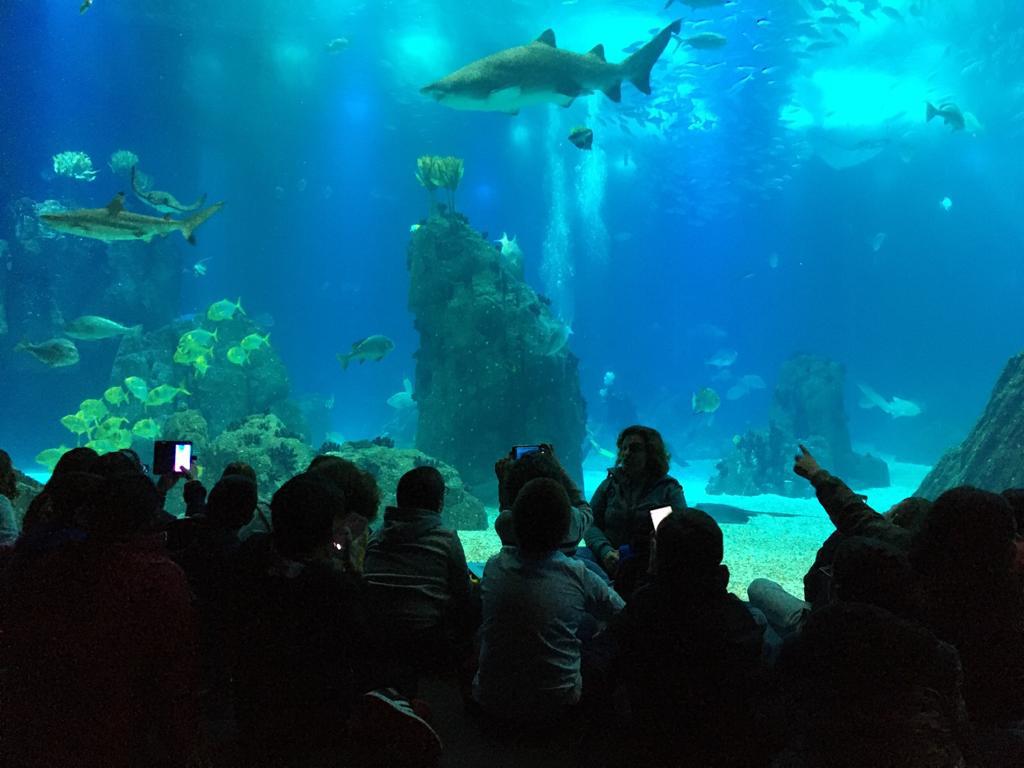
The last of the SDGs is 17 (Partnerships for Development), so one of the goals of this treasure hunt was to demonstrate the ultimate lesson: that to achieve the other 16 SDGs, simple teamwork and partnership are essential to reach the end! Of course, everyone won … even if the prize was simply more knowledge! The school we worked with is located in a municipality near Lisbon with a high rate of needy families, and the Project provided these children with another adventure – a visit to the Lisbon Oceanarium and a workshop on biodiversity that explained the human impact on its decrease and how this contributes to climate change. This was a great example of a small action that helped impact those who are the future of our planet! 

Latvian hackathon devoted to COVID-19

By Inese Vaivare, Lapas LV

In March, we held a hackathon devoted to responding to the COVID-19 emergency, where professionals from different backgrounds gathered to generate ideas. The goal was to find a way to digitally connect high-risk people in need with volunteers who could help, people usually active on social media. The platform #stayhome was created: a call center operating 24/7 in Latvian, English and Russian, provided by a social enterprise employing people with disabilities, and mobile app that is available for volunteers and operates based on geographical location. A person in need just has to call, leave their phone number, location and need, and a volunteer  can pick up the task, call the person in need to confirm and just do it. This fast and easy solution has made it possible for anybody who wants to volunteer, however they want and whenever it is convenient and possible. No one is left behind!

Even though the application to become a volunteer is available only for authorized persons, in one month this movement has gathered more than 600 volunteers covering the whole country. We coordinate daily with social services, family doctors, hospitals. The movement is recognised by the government and supported by private sector companies. 

Reacting to the needs we saw most, we have already expanded to specific support for medical staff, linking doctors to different service providers and supporters such as car rentals, psychological support, and more. We also started to support local businesses run by people with high risk – for example, people can order daffodils grown by the elderly who cannot go to market to sell them now, and volunteers will deliver them.

We already see that this platform will also be crucial in the post-crisis period for socio-economic support in communities and neighbourhoods. 

Read more here: https://paliec-majas.lv/en/

Joint NGO statement on how the European Green Deal can support recovery in developing countries

By CAN Europe

This joint statement on the COVID-19 crisis accompanies a set of recommendations from NGOs in February 2020 on Making the European Green Deal work for International Partnerships.

As NGOs working on climate, environment, social justice and sustainable development issues, we stand in solidarity with local communities, vulnerable groups and those on the frontlines of the pandemic in partner countries. Solidarity, transparency, inclusiveness, and equity must guide the EU’s response at all stages.

In the short-term, the priority with partner countries must be to address the health crisis, immediate humanitarian and socioeconomic impacts on livelihoods, and the right to food. The EU should free up maximal emergency and concessional finance that doesn’t exacerbate existing debt vulnerabilities, in the form of budget support and direct transfers to national response plans, support measures to tackle liquidity pressures, and debt relief.

In the medium- to long-term, an economic crisis in the Global South could push hundreds of millions more into poverty. The EU should ensure that recovery support in partner countries integrates climate and biodiversity objectives with the Sustainable Development Goals, tackles social inequalities, strengthens access to natural resources, and supports public services. We call on the EU to adopt the following principles to support green, equitable and resilient recovery plans in partner countries.

Read the full statement here.

More information can be found here.

Next UN Environment Assembly UNEA-5

The next UN Environment Assembly UNEA-5 will take place in Nairobi on 22-26 February 2021.

The theme of the next Assembly is “Strengthening Actions for Nature to Achieve the Sustainable Development Goals.” The theme calls for strengthened action to protect and restore nature and nature-based solutions to achieve the sustainable development goals in their three complementary dimensions (social, economic and environmental). You can learn more about the theme here.

UNEA-5 will be presided over by the Norwegian Environment Minister Sveinung Rotevatn. Other European environment ministries who are part of the UNEA Bureau are Estonia, France and Serbia.

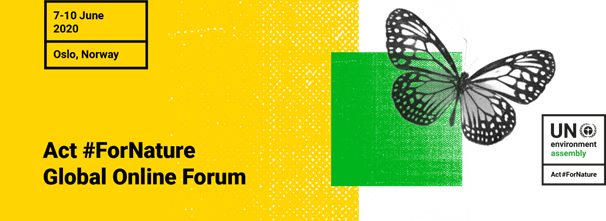
Given that Norway is presiding over the Assembly, the Norwegian Environment Minister is hosting a retreat for the Bureau in June in preparation of the Assembly. To allow for the early involvement of civil society and other stakeholders, they also decided with the UN Environment Programme (UNEP) to hold an international consultation for all stakeholders, i.e. for all Major Groups and other Stakeholders globally. This was originally planned to be an in-person meeting in Oslo but will now be held as an online conference on 7 June.

Please find the invite for this consultation below.  It is not limited to, but gives preference to organisations who are accredited by UNEP (there is a limit of 200 participants). It is crucial that many of SDGWE’s members who are accredited participate – in particular those who focus on the theme of UNEA-5: nature’s protection and restoration, especially nature-based solutions. Given that the conference takes place online, it is easy to participate. It is a unique chance for all interested organisations to be part of the UNEA preparations early on, to learn more about the process and eventually get more involved.

The consultation will be followed by a series of five online global town hall discussions on a variety of themes open to all (max. 15,000 participants). Information can be found here:  https://app.tappin.no/registration/?e=actfornatureglobalonlineforum062020.

The international consultation with stakeholders and events are organised by ForUM, the Norwegian federation of environmental and development NGOs and UNEP with support from the Global Major Groups and Stakeholder Forum.


Invitation: Welcome to The International Consultation of Major Groups and Stakeholders

Join us on June 7th to have a say in the virtual consultation of Major Groups and stakeholders, a preparatory meeting to ensure an impactful outcome from the Fifth Session of the UN Environment Assembly (UNEA-5) taking place next year. Register your interest here.

2020 marks the beginning of the decade of action. This super year for nature was derailed by the COVID-19 outbreak, but the urgency to act #forNature has not diminished. How can we strengthen actions for nature to achieve the sustainable development goals in light of this global pandemic?

The consultation will center around the following themes:

  • Health and Environment: What a post-pandemic recovery looks like
  • Tackling Ocean Pollution
  • Ecosystem Restoration, Biodiversity, and Development
  • Involvement and Implementation

The output of the consultation will be handed over to the Bureau of the UNEA and the Committee of Permanent Representatives.

The consultation is the first event of the week-long Oslo Act #forNature Global Forum that includes Town Halls and the Preparatory Retreat for the UNEA Bureau. Check out the website for more information about the Oslo Act #forNature Global Forum and The International Consultation of Major Groups and Stakeholders.